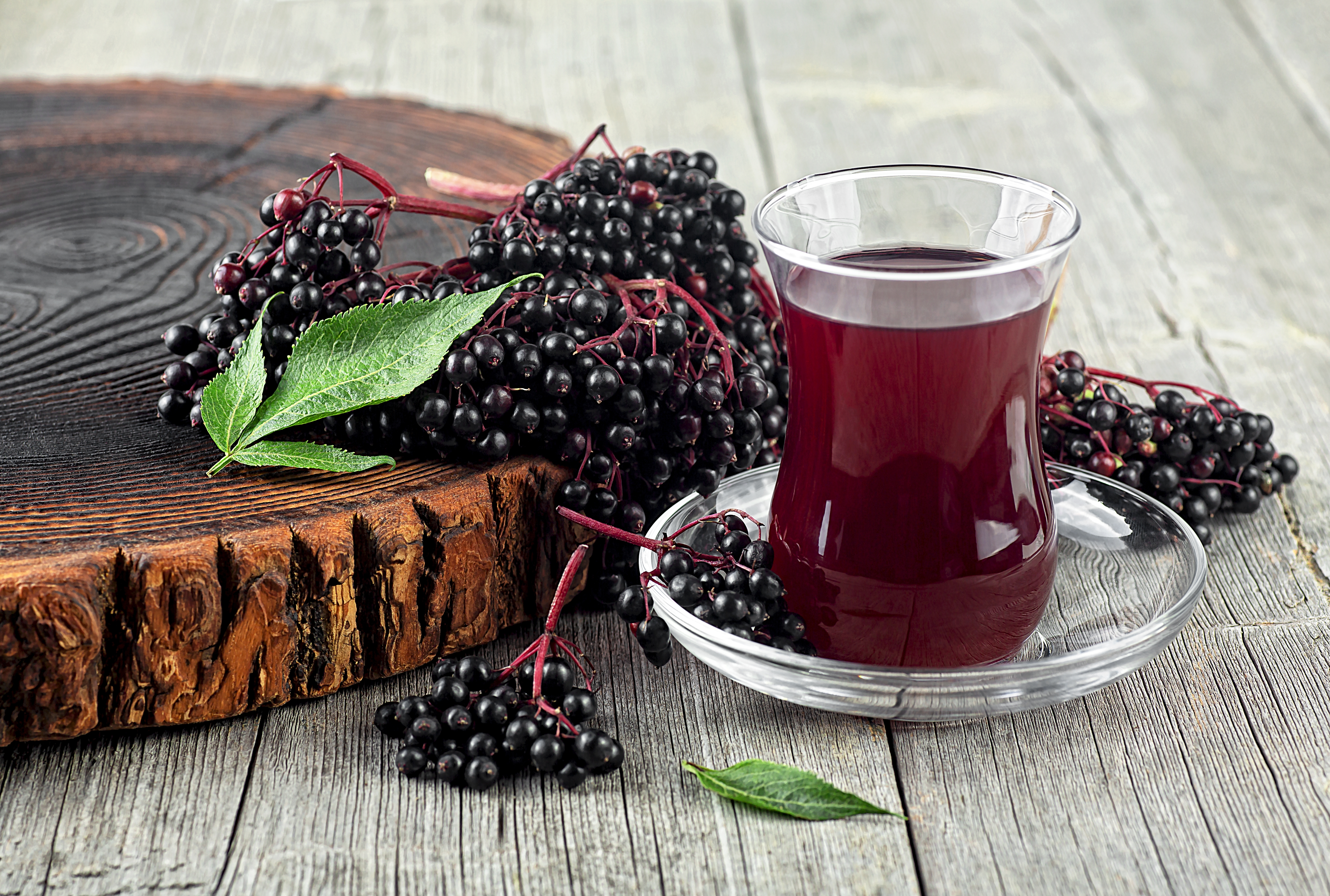
Elderberries (Sambucus spp.) have been treasured for centuries for their immune-boosting properties, rich antioxidants, and versatility in the kitchen. Whether you’re looking to make elderberry syrup, jams, teas, or even wine, growing your own elderberry bushes ensures a fresh, organic supply of these powerful berries right in your backyard.
In this guide, we’ll cover everything you need to know about growing elderberries, their impressive health benefits, and delicious ways to use them in cooking and home remedies.
Why Grow Your Own Elderberries?
1. Elderberries Are Incredibly Easy to Grow
Elderberry bushes are low-maintenance, fast-growing, and highly productive, making them a perfect addition to any home garden. They thrive in a variety of climates, tolerate different soil types, and start producing fruit within one to two years after planting.
2. Elderberries Are a Superfood with Amazing Health Benefits
Elderberries are packed with vitamins, antioxidants, and immune-boosting compounds that make them one of the most sought-after medicinal berries. Their benefits include:
✅ Immune Support: Elderberries are known for their antiviral properties, especially in reducing the severity and duration of colds and flu.
✅ High in Antioxidants: They help combat oxidative stress, which can contribute to aging and disease.
✅ Heart Health: Elderberries support healthy blood pressure and cholesterol levels.
✅ Anti-Inflammatory: They help with joint pain, allergies, and skin conditions.
3. Save Money by Growing Your Own
Elderberry products, especially syrups and extracts, can be expensive at health stores. By growing your own, you’ll have a continuous, free supply for making homemade remedies, teas, and preserves.
How to Grow Elderberries at Home
1. Choosing the Right Elderberry Variety
- American Elderberry (Sambucus canadensis) – Best for North America, grows 6-12 feet tall, produces high-yield fruit.
2. Best Growing Conditions for Elderberries
- Sunlight: Full sun to partial shade (at least 6 hours of sunlight per day).
- Soil: Moist, well-draining soil with a pH between 5.5-6.5. Elderberries love rich, organic matter.
- Spacing: Plant elderberries 6-10 feet apart, as they form bushy shrubs.
- Watering: Keep the soil consistently moist, especially in the first year.
3. Planting Elderberries
- Dig a hole twice as wide as the root ball and as deep as the roots.
- Place the plant in the hole, spreading the roots gently.
- Backfill with soil, water well, and mulch around the base to retain moisture.
🌿 Tip: Elderberries are not self-fertile, so plant at least two different varieties near each other for better pollination and fruit production.
4. Pruning and Maintenance
- First Year: Allow the plant to establish without pruning.
- After Year 2: Prune old wood in late winter or early spring to encourage new growth.
- Remove weak or dead stems to improve airflow and fruiting.
Harvesting Elderberries
When to Harvest
- Elderberries ripen in late summer to early fall (August–September).
- They are deep purple to black when fully ripe (unripe green berries are toxic).
- Harvest by cutting entire clusters and removing berries from the stems.
Storage Tips
- Fresh berries: Store in the fridge for up to 5 days.
- Freezing: Lay berries flat on a baking sheet, freeze, then store in airtight containers.
- Drying: Dehydrate berries for long-term storage and tea-making.
Delicious Elderberry Recipes
1. Homemade Elderberry Syrup (Immune Booster)
Elderberry syrup is one of the most popular home remedies for cold and flu prevention.
Ingredients:
- 1 cup fresh elderberries (or ½ cup dried)
- 3 cups water
- 1 cinnamon stick
- 1 inch fresh ginger, sliced
- ½ tsp cloves
- ¾ cup raw honey
Instructions:
- Simmer elderberries, water, cinnamon, ginger, and cloves in a saucepan for 45 minutes.
- Strain the mixture and allow it to cool.
- Stir in honey and mix well.
- Store in a glass jar in the refrigerator for up to 2 months.
🌟 Dosage: Take 1 tsp daily for immune support or 1 tbsp every 3 hours when sick.
2. Elderberry Jam
A sweet spread packed with antioxidants!
Ingredients:
- 4 cups fresh elderberries
- 2 cups sugar (or honey)
- 1 tbsp lemon juice
- 1 package pectin
Instructions:
- Cook elderberries and lemon juice on medium heat until soft.
- Stir in pectin and bring to a boil.
- Add sugar and boil for 1-2 minutes until thickened.
- Pour into sterilized jars and seal.
🌟 Enjoy on toast, pancakes, or yogurt!
3. Elderberry Tea (Soothing & Antioxidant-Rich)
A simple way to enjoy the benefits of elderberries.
Ingredients:
- 1 tbsp dried elderberries
- 1 cup hot water
- ½ tsp cinnamon (optional)
- Honey to taste
Instructions:
- Steep elderberries in hot water for 10-15 minutes.
- Strain and sweeten with honey.
🌟 Perfect for boosting immunity and fighting colds!
4. Elderberry Wine (For the Adventurous Gardener!)
Elderberry wine is an ancient favorite, known for its deep, rich flavor.
Basic Ingredients:
- 3 lbs elderberries
- 3 lbs sugar
- 1 gallon water
- 1 packet wine yeast
Instructions:
- Crush elderberries and mix with sugar and water in a fermentation vessel.
- Add yeast and allow fermentation for 1-2 weeks.
- Strain, bottle, and age for at least 6 months before drinking.
🌟 A homemade treat for special occasions!
Final Thoughts: Why You Should Grow Elderberries
Growing elderberries is a rewarding, low-maintenance way to add beauty, health benefits, and delicious food to your garden. With their powerful immune-boosting properties, versatility in cooking, and ease of cultivation, elderberries are a must-have for any home gardener.
Whether you want to make elderberry syrup, jam, tea, or even wine, having your own fresh, organic supply will save you money and provide year-round wellness for your family.
So why not plant a few elderberry bushes this season? Your future self—and your health—will thank you! 🍇🌿💜

Leave a Reply