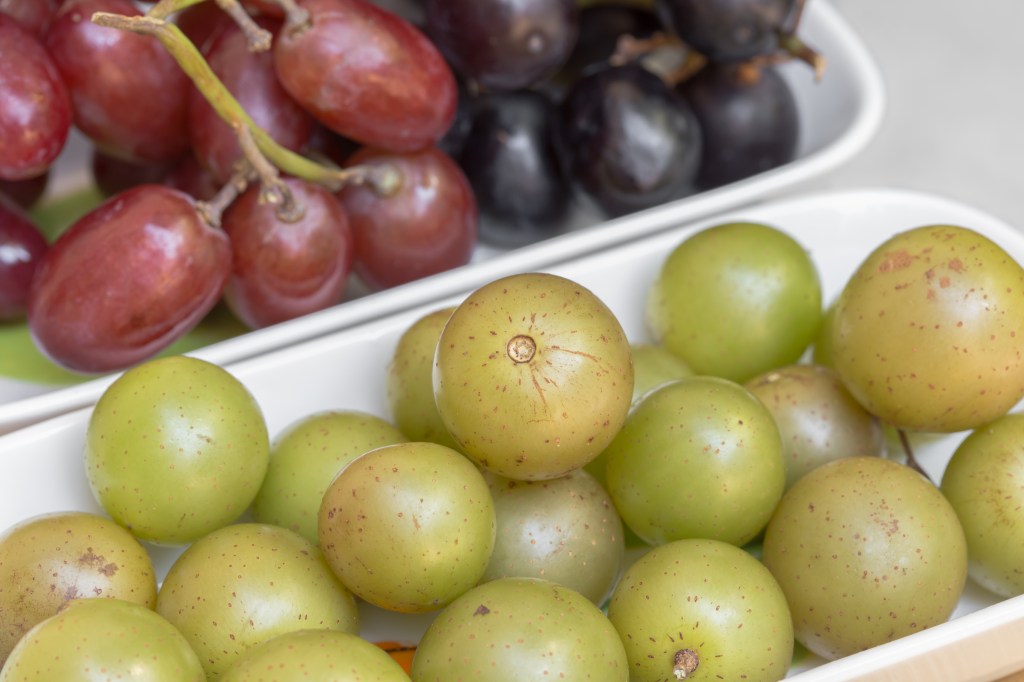
Muscadine and Scuppernong grapes are a true treasure in the garden, offering bold, sweet flavors and plenty of uses, from fresh snacking to making wine, jams, and juices. If you want your vines to produce a bountiful harvest, spring is the time to give them some attention. With the right care, you can enjoy an abundance of grapes from your own backyard.
In this blog, we’ll walk you through the essential steps to prepare your muscadine and scuppernong grapevines for spring, from pruning to watering, fertilizing, and protecting your vines from pests and disease. Whether you’re a beginner or a seasoned grower, following these steps will help ensure your vines thrive and produce high-quality fruit.
1. Pruning for Healthy Vines and Maximum Fruit Production ✂️🍇
Proper pruning is crucial for maintaining the health of your muscadine and scuppernong grapevines and promoting robust fruit production. Spring is the ideal time to prune grapevines, just before new growth begins. This will encourage your vines to put their energy into fruiting rather than excessive leaf or stem growth.
Why Prune?
- Remove Dead or Damaged Wood: Pruning helps get rid of dead, diseased, or damaged wood, preventing the spread of pests or diseases and allowing the vine to focus on producing healthy growth.
- Encourage Fruit Production: Muscadine and scuppernong grapevines produce fruit on 2-year-old wood, so pruning stimulates new growth that will bear fruit in the coming season.
- Improve Airflow and Sunlight Exposure: Proper pruning opens up the vine, improving airflow and allowing sunlight to reach the entire plant, which reduces the risk of fungal diseases and promotes healthy fruit ripening.
How to Prune Muscadine and Scuppernong Vines:
- Remove Old Growth: Begin by cutting away any dead or diseased branches, cutting them back to the main trunk or a healthy shoot. These are often the first areas where pests and diseases can set in.
- Thin Out the Vine: Muscadines and scuppernongs should be pruned to allow for good airflow. Remove any overcrowded or crossing branches to ensure sunlight can reach the interior of the vine.
- Cut Back to Promote Fruitful Growth: Look for one-year-old wood (the green, flexible shoots that grew last year). Cut back the older wood from the previous season, leaving healthy shoots that will bear fruit in the coming year.
- Maintain the Structure: Grapevines should be trained along a trellis or fence. Ensure the main trunk is well-established, and select 3–5 strong canes to develop into the framework of the vine. Cut back all other growth to keep the vine manageable.
Pro Tip: Pruning too much can harm the vine, so avoid cutting too heavily. A good rule of thumb is to prune no more than 1/3 of the vine’s growth each year.
2. Spraying for Pests and Diseases 🦠💧
Spring is also the time to protect your grapevines from common pests and diseases. Muscadines and scuppernongs are relatively hardy, but they can still be affected by insects, mold, and mildew. Here’s how to keep your vines safe and healthy.
Dormant Oil Spray:
- Why It’s Important: Before new growth begins, apply a dormant oil spray to your vines to smother overwintering pests, like aphids, mites, and scales, that may have settled on the bark. This spray also helps control fungal diseases that may persist through the winter.
- When to Apply: Apply the dormant oil spray when the vines are still dormant, ideally in late winter or early spring (before buds swell).
- How to Apply: Use a pump sprayer or hose attachment to thoroughly coat the vines, ensuring you reach all branches and the trunk.
Fungicide Application:
- Preventing Fungal Diseases: Muscadine and scuppernong grapes are prone to fungal diseases like powdery mildew, downy mildew, and black rot. To prevent these, apply a fungicide when buds begin to swell in the early spring.
- How to Apply: Follow the product’s instructions for timing and frequency, ensuring that the fungicide is applied evenly to the leaves and stems, especially the undersides of leaves, where fungi often begin.
Insect Control:
- Common Pests: Muscadines and scuppernongs can be attacked by Japanese beetles, grape berry moths, and leafhoppers. Use organic insecticides like neem oil or insecticidal soap to control pests, or consider introducing beneficial insects such as ladybugs, which feed on aphids and other pests.
- Protecting Fruit with Netting: Netting is a great way to keep birds and insects away from your grapes as they ripen, ensuring a higher-quality harvest.
3. Protecting Your Grapes with Netting 🦅🛡️
Birds love to feast on ripe grapes, and they can quickly decimate your harvest if you aren’t prepared. Netting is the best way to protect your muscadine and scuppernong grapes from birds, while still allowing sunlight and air to reach the fruit.
How to Use Netting:
- Choose the Right Netting: Use lightweight, bird-safe netting with small holes to keep birds out but still allow your vines to breathe. The netting should be at least 6-8 feet tall to cover the entire vine.
- Install the Netting: Drape the netting over the vines when the grapes begin to turn color, typically in late summer or early fall. Secure the edges with ties or weights to prevent birds from sneaking in.
- Check Regularly: Inspect the netting for holes or damage, as birds can still get through if there are gaps.
Tip: Be sure to remove the netting once the fruit is harvested to prevent it from suffocating the vines or causing damage to the plants.
4. Watering for Maximum Fruit Production 💧🍇
Watering is one of the most important aspects of growing grapes, especially when preparing for a successful harvest. Grapevines need plenty of moisture during the growing season, but overwatering or underwatering can both lead to problems.
How Much Water Do Grapevines Need?
- Muscadine and scuppernong grapevines require deep watering to keep the roots hydrated throughout the growing season. They typically need about 1 to 1.5 inches of water per week during the growing season, but this can vary depending on your climate and rainfall.
Watering Tips:
- Deep Watering: Grapevines have deep roots, so it’s important to water deeply. Use a soaker hose or drip irrigation system to provide a steady stream of water directly to the root zone.
- Consistent Moisture: While the vines are growing and producing fruit, it’s crucial to keep the soil consistently moist. If the soil dries out during the fruiting period, it can result in smaller berries or poor fruit ripening.
- Avoid Overwatering: While grapes need plenty of water, they do not like to have their roots sitting in water. Make sure your soil has good drainage to prevent root rot. If you’re growing your grapes in containers, ensure that the pots have sufficient drainage holes.
Pro Tip: Use mulch around the base of your grapevines to help retain moisture, suppress weeds, and maintain even soil temperature.
5. Fertilization and Soil Care 🌱💪
Grapevines require proper soil care and fertilization to ensure healthy growth and maximum fruit production. Here’s how to get the soil ready and ensure your vines are well-fed.
Fertilization:
- In early spring, apply a balanced fertilizer with equal parts nitrogen, phosphorus, and potassium (e.g., 10-10-10) to promote healthy growth. Avoid over-fertilizing, as this can lead to excessive vegetative growth at the expense of fruit production.
- For first-year vines, use a slow-release fertilizer like Nutra-Pro 1st Year Fertilizer Pack, which will provide the nutrients the vines need to establish strong roots and grow vigorously.
- As your vines mature, you may reduce fertilization and rely on organic matter like compost or manure to maintain soil health.
Soil Care:
- Grapes prefer slightly acidic to neutral soil (pH 6.0-6.5), so test the soil and amend it with sulfur or lime if needed to adjust the pH.
- Grapevines also prefer well-drained, fertile soil, so consider adding organic matter to improve soil texture and water retention.
Weed Control:
- Use Weed Pro Weed Mats around the base of your grapevines to suppress weeds and conserve moisture. These mats are perfect for ensuring your vines receive the nutrients they need without competition from weeds.
Why Buy from Ty Ty Plant Nursery, LLC? 🌟
At Ty Ty Plant Nursery, LLC, we offer the best selection of muscadine and scuppernong grapevines to help you grow a thriving vineyard. We are committed to providing high-quality plants at affordable prices, backed by our excellent customer service and fast shipping.
Here’s why you should buy from us:
- Largest Selection: We have a wide range of muscadine and scuppernong grapevines to suit your needs, whether you’re planting a small backyard vine or a full-scale orchard.
- High-Quality Plants: Our grapevines are healthy, hardy, and ready to thrive in your garden. We provide plants that are carefully cultivated to ensure strong growth and high yields.
- Affordable Prices: Get the best value for your money with our competitive prices and deals on grapevines.
- Fast Shipping: We guarantee quick delivery, so you can start planting your vines and enjoy a fruitful season sooner.
- Free One-Year Plantsurance: Every plant comes with Plantsurance, ensuring your vine’s success. If your plant doesn’t survive the first year, we’ll issue you a store credit!
With Ty Ty Plant Nursery, your grapevines will be on their way to a healthy start, producing sweet, flavorful muscadine and scuppernong grapes for years to come.
By following these tips for pruning, pest control, netting, watering, and fertilization, your muscadine and scuppernong grapevines will be set up for a bountiful harvest this spring. Happy gardening, and here’s to a season full of sweet, juicy grapes! 🍇🌱

 Ty Ty Plant Nursery's Blog
Leave a comment