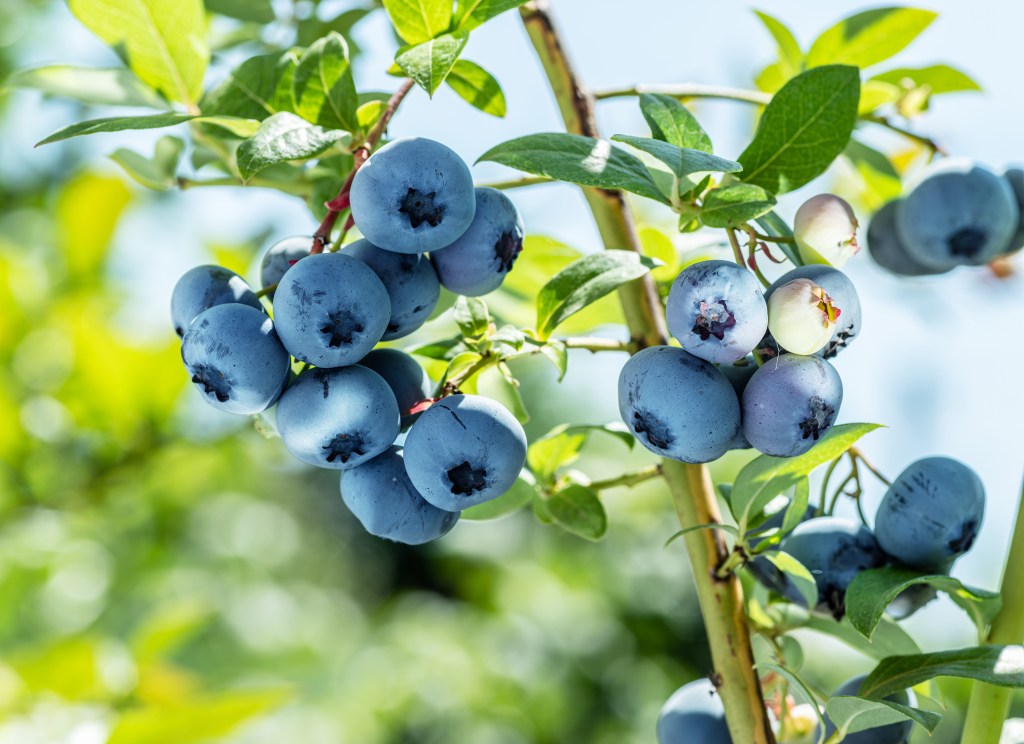
Blueberries are a gardener’s dream—beautiful plants that produce delicious, nutrient-packed fruits. If you’re ready to enjoy a bountiful spring harvest, it’s important to prep your blueberry plants with the right care and attention as they emerge from dormancy. Proper care now ensures your blueberry bushes will thrive, producing plump and sweet berries all season long.
In this blog, we’ll guide you through the essential steps to prepare your blueberry plants for spring, including how to spray for pests and diseases, protect your berries with netting, and water them effectively for maximum fruit production. Let’s get started!
1. Spraying for Pests and Diseases 🦠🌿
Spring is when pests and diseases begin to awaken along with your blueberry plants, so taking preventive measures now will ensure healthy plants and a fruitful harvest. It’s always better to be proactive when it comes to pest control, as it’s much easier to prevent problems than to treat them after they arise.
Dormant Oil Spray:
- Why It’s Important: Before new growth begins, applying dormant oil spray to your blueberry plants helps smother overwintering pests, including aphids, mites, and scales, that might have settled on the branches, stems, or buds. It also helps control certain fungal diseases.
- When to Apply: The best time to apply dormant oil is late winter or early spring before the buds swell. Choose a dry, mild day when temperatures are above 40°F (4°C), and avoid spraying during or right before a freeze.
- How to Apply: Use a pump sprayer or hose attachment to coat the branches, stems, and any exposed bark with the dormant oil, ensuring you cover every surface of the plant. Be thorough, but avoid excessive application that could harm the plant.
Fungicide Application:
- Preventing Fungal Diseases: Blueberry plants are prone to fungal diseases like powdery mildew and botrytis blight. To minimize the risk, use a fungicide that is safe for blueberries. Apply it just before or after bud break, but be sure to follow the product instructions for timing and frequency.
- Early Detection: As the growing season progresses, keep an eye out for any yellowing leaves, spots, or mold growth on the plants, as these can be signs of fungal infections that may need to be treated further.
Insect Control:
- Common Pests to Watch For: During the growing season, blueberries can fall victim to pests like blueberry maggots, Japanese beetles, and aphids. If you notice any of these pests, consider using organic pest control methods such as insecticidal soap or neem oil.
- Netting for Birds: Birds love to feast on ripe blueberries, so using netting around your plants is essential for protecting your crop. More on that next!
2. Protecting Your Berries with Netting 🐦🛡️
As your blueberries begin to ripen, they become a tasty treat for a variety of birds. To avoid losing your precious crop, it’s essential to protect your plants with bird netting.
Why Netting Works:
Bird netting is a simple yet effective way to prevent birds from picking your berries before you can enjoy them. The netting prevents the birds from reaching the fruit while still allowing the plant to receive sunlight and air circulation.
How to Use Netting:
- Choose the Right Netting: Use netting that has small enough holes to prevent birds from squeezing through. Make sure it’s lightweight to avoid damaging your plants.
- Installation: Drape the netting over the blueberry bushes when the berries begin to turn color. Secure the edges by tying the netting to the ground or stakes around the plants to keep it from blowing away in the wind.
- Maintenance: Check the netting regularly for any gaps or tears, as birds may still find their way in. Make sure the netting is removed once the fruit is harvested to avoid suffocating the plants.
Tip: Make sure the netting doesn’t touch the plants directly, as this can cause rubbing or breakage. Create a frame around the plants to keep the netting off the leaves and berries.
3. Watering for Maximum Fruit Production 💧🍇
Blueberry plants thrive when given consistent moisture—but not too much! Proper watering is crucial for maximizing fruit production. Without adequate water, blueberries may produce small, poor-quality fruit or fail to ripen properly.
How Much Water Do Blueberries Need?
Blueberries have shallow root systems, so they depend on regular watering to stay healthy and productive. Aim to provide 1 to 1.5 inches of water per week during the growing season, especially once the plants begin to bloom and set fruit.
Watering Tips:
- Deep Watering: Since blueberries have shallow roots, it’s important to water deeply to encourage the roots to grow deeper into the soil. This ensures the plants have a strong foundation and are better able to withstand drought.
- Consistent Moisture: Water blueberries consistently, but make sure the soil doesn’t stay waterlogged. Blueberries prefer well-drained soil that’s slightly acidic. To help with drainage, consider adding organic matter like peat moss or compost to the soil when planting.
- Irrigation Systems: If you live in a dry area, consider using a drip irrigation system or soaker hose to provide consistent moisture directly to the soil. This will help avoid wetting the foliage, which can lead to fungal diseases like powdery mildew.
Signs of Over or Underwatering:
- Underwatering: If the leaves are wilting or turning brown at the tips, your blueberry plant may not be getting enough water.
- Overwatering: If the leaves turn yellow or the roots begin to rot (you may notice a musty smell), it’s a sign that the plant is being overwatered.
4. Fertilization and Soil Care for Healthy Growth 🌱💪
For a successful spring harvest, blueberry plants need the proper nutrients, especially in their first year of growth. Fertilizing appropriately and maintaining good soil health is vital for boosting your plant’s productivity.
First-Year Fertilization:
- Use Nutra-Pro 1st Year Fertilizer Packs for a slow-release supply of essential nutrients throughout the growing season. These packs are specially formulated to provide the balanced nutrients your young blueberry plants need to establish healthy roots and strong growth.
Soil Care:
- Blueberries thrive in acidic soil, with a pH between 4.5 and 5.5. If your soil is too alkaline, amend it by adding sulfur or peat moss to lower the pH.
- Mulch: Apply a layer of mulch around your blueberry plants to help maintain consistent soil moisture and keep the roots cool. Pine bark or wood chips work great, as they also help to naturally acidify the soil over time.
Weed Control:
- Weed Pro Weed Mats are an excellent addition to keep weeds from competing with your blueberries for nutrients and water. Simply lay these mats around the base of your plants to reduce weed growth and conserve moisture, allowing your plants to thrive without competition.
Why Buy from Ty Ty Plant Nursery, LLC? 🌟
At Ty Ty Plant Nursery, LLC, we offer the best selection of blueberry plants, including a variety of cultivars suited for different climates and soil conditions. We pride ourselves on providing high-quality plants at affordable prices so you can grow a thriving blueberry patch without breaking the bank.
Here’s why you should buy from us:
- Largest Selection: We have a wide range of blueberry plants, including early, mid, and late-season varieties, so you can enjoy fresh berries throughout the summer.
- High-Quality Plants: Our blueberry plants are grown with care, ensuring healthy roots and strong growth to get you off to a great start.
- Affordable Prices: Get the best deals on top-quality plants with competitive pricing and great value.
- Fast Shipping: We ensure quick and safe delivery, so you can start planting as soon as your blueberry plants arrive.
- Free One-Year Plantsurance: We offer a free one-year plantsurance guarantee, so if your blueberry plant doesn’t survive, we will issue you a store credit, giving you peace of mind with your purchase.
Start your spring with the best blueberries from Ty Ty Plant Nursery! Order now and enjoy a successful harvest season. 🌱🍇
By following these preparation steps—spraying for pests, protecting your fruit, and watering properly—you’ll ensure that your blueberry plants are ready to produce a delicious and abundant harvest. Happy gardening, and here’s to a fruitful spring and summer! 🌳🍇

 Ty Ty Plant Nursery's Blog
Leave a comment