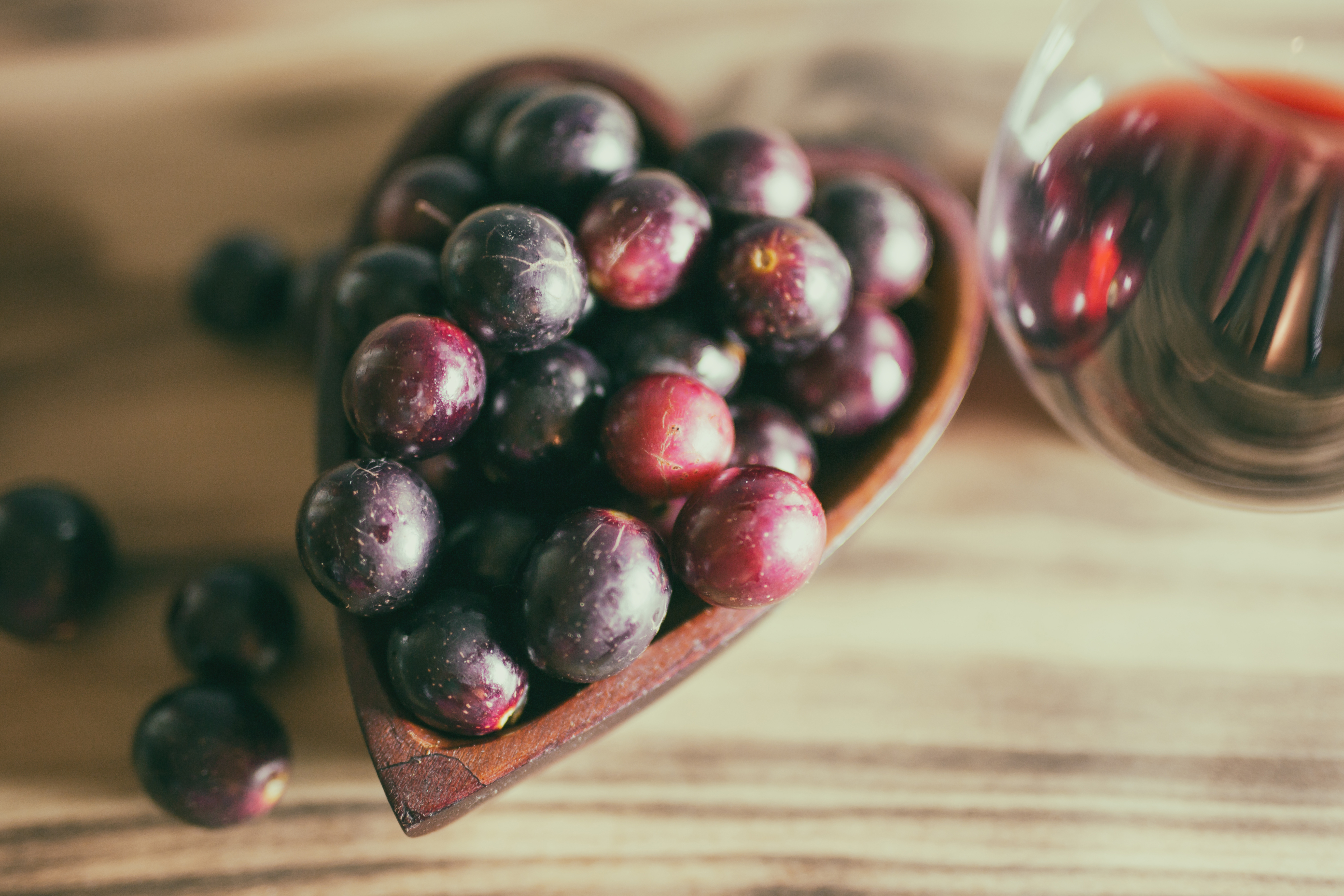
Muscadine and Scuppernong grape vines are a Southern staple, producing delicious, nutrient-rich grapes perfect for fresh eating, wine-making, and preserves. However, proper pollination is key to ensuring a bountiful harvest! Understanding the difference between male and female vines will help you create a thriving vineyard that produces grapes year after year.
🌱 Understanding Muscadine & Scuppernong Pollination
Muscadine and Scuppernong grape vines are dioecious, meaning they have separate male and female plants:
✅ Male Muscadine & Scuppernong Vines:
- Self-fertile and produce grapes on their own.
- Can pollinate female vines within a 50-foot radius.
- Ideal for ensuring maximum grape production in vineyards.
🚫 Female Muscadine & Scuppernong Vines:
- Cannot produce fruit alone—they require a nearby male vine for pollination.
- Often planted for their superior fruit quality and flavor.
🔹 Rule of Thumb: For a productive vineyard, plant at least one male vine for every three female vines.
🌎 Where Do Muscadine & Scuppernong Vines Grow?
These grape varieties thrive in USDA hardiness zones 6-9, preferring warm, humid climates.
✅ Best Growing Regions:
- Southeastern U.S. (Georgia, Florida, Alabama, Mississippi, South Carolina, etc.)
- Coastal areas with mild winters
- Well-drained, sandy loam or clay soils
🌡️ Temperature Tolerance:
- Can withstand hot summers ☀️
- Require protection in areas with prolonged freezing temperatures ❄️
🏡 How to Plant Muscadine & Scuppernong Vines
For a healthy, high-yielding vineyard, follow these key steps:
1️⃣ Choose the Right Spot:
- Full sun exposure (6+ hours daily) ☀️
- Well-draining soil with a pH between 5.5-6.5
- Avoid low-lying areas prone to waterlogging
2️⃣ Planting Process:
- Dig a hole twice as wide as the root ball
- Space vines 10-20 feet apart for proper growth
- Install trellises or arbors to support climbing vines
3️⃣ Essential Planting Aids:
- Max Growth Vineyard Shelters 🛡️ – Protect young vines from harsh weather & wildlife
- Nutra Pro 1st Year Fertilizer Packs 🌱 – Boost early growth and root development
- Soil Moist Transplant Mix 💧 – Helps retain moisture and reduces transplant shock
- Weed Pro Weed Mats 🌿 – Keeps weeds at bay, reducing competition for nutrients
🌱 Pro Tip: Water deeply twice a week for the first year to establish strong roots.
⏳ When Do Muscadine & Scuppernong Vines Produce Grapes?
Muscadine and Scuppernong vines typically begin producing within 2-4 years after planting. Once mature, they yield up to 50 pounds of grapes per vine each year! 🍇💪
✅ Peak Harvest Time:
- Late August to October 🍂
- Grapes ripen unevenly, so pick them individually as they mature
🦋 The Importance of Pollination for a Thriving Vineyard
Ensuring proper cross-pollination is essential for consistent, high-yield grape production. If you plant only female vines, you will not get fruit!
🌸 How to Encourage Pollination: ✅ Plant at least one self-fertile male vine near every 3-4 female vines 🌿 ✅ Attract pollinators like bees by planting flowering plants nearby 🐝 ✅ Ensure proper spacing to allow wind and insect pollination 🍃
🌟 Why Buy Muscadine & Scuppernong Vines from Ty Ty Plant Nursery, LLC?
🌱 Top Reasons to Buy From Us: ✔️ Huge Selection – Choose from male, female, and self-fertile varieties ✔️ Best Prices – Affordable rates for high-quality vines 💰 ✔️ Fastest Shipping – Get your plants delivered quickly & safely 🚚 ✔️ 1-Year Plantsurance Guarantee – If your vine doesn’t survive the first year, we’ll issue a store credit for a replacement!
🔥 Start Your Vineyard Today with Ty Ty Plant Nursery, LLC! 🔥
📌 #MuscadineGrapes #ScuppernongVines #GrowYourOwn #HomegrownGrapes #OrganicFarming #VineyardLife #GrapeHarvest #TyTyNursery #BackyardVineyard #SouthernGardening

Leave a Reply