
There’s nothing quite like the joy of picking a ripe, crisp apple right from your own tree. Apple trees are not just a beautiful addition to your garden, but they also reward you with fresh, homegrown fruit that tastes far better than anything you’ll find in a store.
Whether you’re an experienced home gardener or just starting out with your first fruit tree, learning how to care for your apple trees throughout the year is key to achieving a healthy harvest.
Follow our top tips for taking care of your apple trees year-round to ensure a successful experience today. From spring blossoms to winter’s slumber, you’ll discover how to help your trees thrive while enjoying the process along the way.
Spring Awakening: Preparing Your Apple Trees for the Season
Spring is when your apple trees come back to life, ready to grow and produce the fruits you’ve been patiently waiting for. This is the perfect time to give them a helping hand. As the weather begins to warm up, start by inspecting your tree for any visible damage from the winter months. Broken or dead branches should be pruned to encourage healthy new growth and to allow more sunlight to reach the tree’s core. Be sure to use sharp, sterilized pruning tools to avoid spreading diseases.
Healthy soil acts as the foundation for a productive apple tree, so enrich the area around your tree with an organic mulch or compost to boost nutrients. This is also an ideal time to fertilize, providing your tree with the energy it needs for the months ahead.
Keep an eye out early on for signs of pests or disease. Addressing these issues in spring can help prevent them from becoming bigger problems later. With these preparatory steps, your tree will be ready to flourish during its most active growing season.
Summer Nurturing: Watering, Thinning, and Pest Control
Summer brings long days and warm temperatures, which are critical for shaping the potential of your apple harvest. Consistent watering is a priority during this time, especially for young or newly planted trees. Keep the soil moist but not waterlogged, and always water deeply to encourage the development of strong, deep roots.
During early summer, you’ll notice an abundance of small apples beginning to form. While it can be tempting to leave them all, thinning your fruit—removing some of these small apples—ensures that the remaining ones grow larger and healthier. A simple way to do this is to gently twist off smaller or misshapen fruits, leaving about 4–6 inches between each remaining apple. This helps the tree allocate its energy more effectively.
Summer is also the season when pests and diseases are most active. Regularly inspect your tree for signs of trouble, such as curled leaves, discoloration, or spots on the fruit. If needed, use organic remedies like neem oil or insecticidal soap to combat pests while keeping your tree and its surroundings safe for beneficial pollinators like bees.

Autumn Harvest: Picking and Storing Your Apples
Knowing the best tips for taking care of your apple trees year-round is particularly satisfying when autumn arrives. The arrival of autumn signals the most rewarding part of caring for your apple trees—harvest time. Knowing when to pick your apples is an art form in itself.
While the specific timing depends on the variety you’ve planted, there are some general signs that indicate your apples are ready to be harvested.
Look for a rich, even color and a slight separation from the branch when you give them a gentle twist. Tasting the fruit is always the best test—if it’s sweet and crisp, it’s ready. Once picked, proper storage will keep your apples fresh for as long as possible. If you’re dealing with a small harvest, the crisper drawer of your fridge works wonderfully.
For larger harvests, a cool, dark area such as a cellar or garage will do the trick. Lay your apples in a single layer, being careful not to stack or bruise them. Keep an eye on them, as one bad apple truly can spoil the bunch.
Winter Rest: Protecting Your Trees During the Cold Months
Winter is a time of rest for your apple trees, but that doesn’t mean they don’t need your care. Once all the leaves have fallen, start by giving your tree a dormant pruning to shape it for the upcoming growing season. Remove any inward-facing branches to improve airflow and ensure a strong structure.
Winter also brings the risk of frost damage, particularly to the tree’s roots and trunk. To help protect your tree, apply a thick layer of mulch around its base, taking care not to pile it against the trunk. Additionally, young trees and those with thin bark may benefit from a tree wrap to prevent cracking caused by fluctuating temperatures.
Keep an eye out for signs of overwintering pests, such as borer insects or scale, and remove any fallen leaves or fruit that might harbor disease. With the right winter care, your tree will emerge ready and energized for another productive year.
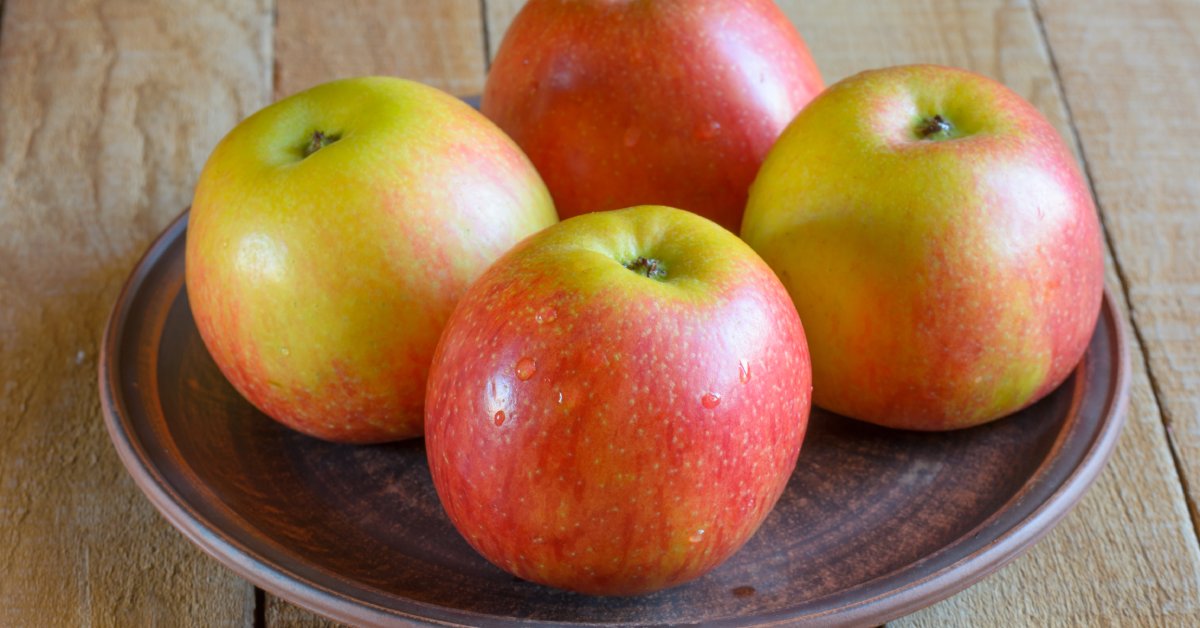
Enjoying the Fruits of Your Labor
You can find a vast array of wonderful apple trees for sale online. Buying great apple trees is easy but once they arrive, it’s critical to care for them properly. Luckily, now that you know the essentials of year-round upkeep, you can reap the delicious rewards when it’s time to harvest.
Caring for apple trees year-round is a rewarding process that not only provides you with delicious fruit but also deepens your connection to nature. Each season brings its own set of tasks and challenges, allowing you to grow as a gardener alongside your trees. Whether you’re savoring your homegrown apples fresh, baking them into pies, or sharing them with friends, the hard work and dedication you’ve put into your trees will be evident in every bite.
If you’re ready to take your love of apple trees to the next level, continue exploring new techniques and ideas to enhance your orchard. Remember, every tree is unique, and the more you observe and adapt to its needs, the more fruitful your partnership will become.

 Ty Ty Plant Nursery's Blog
Leave a comment