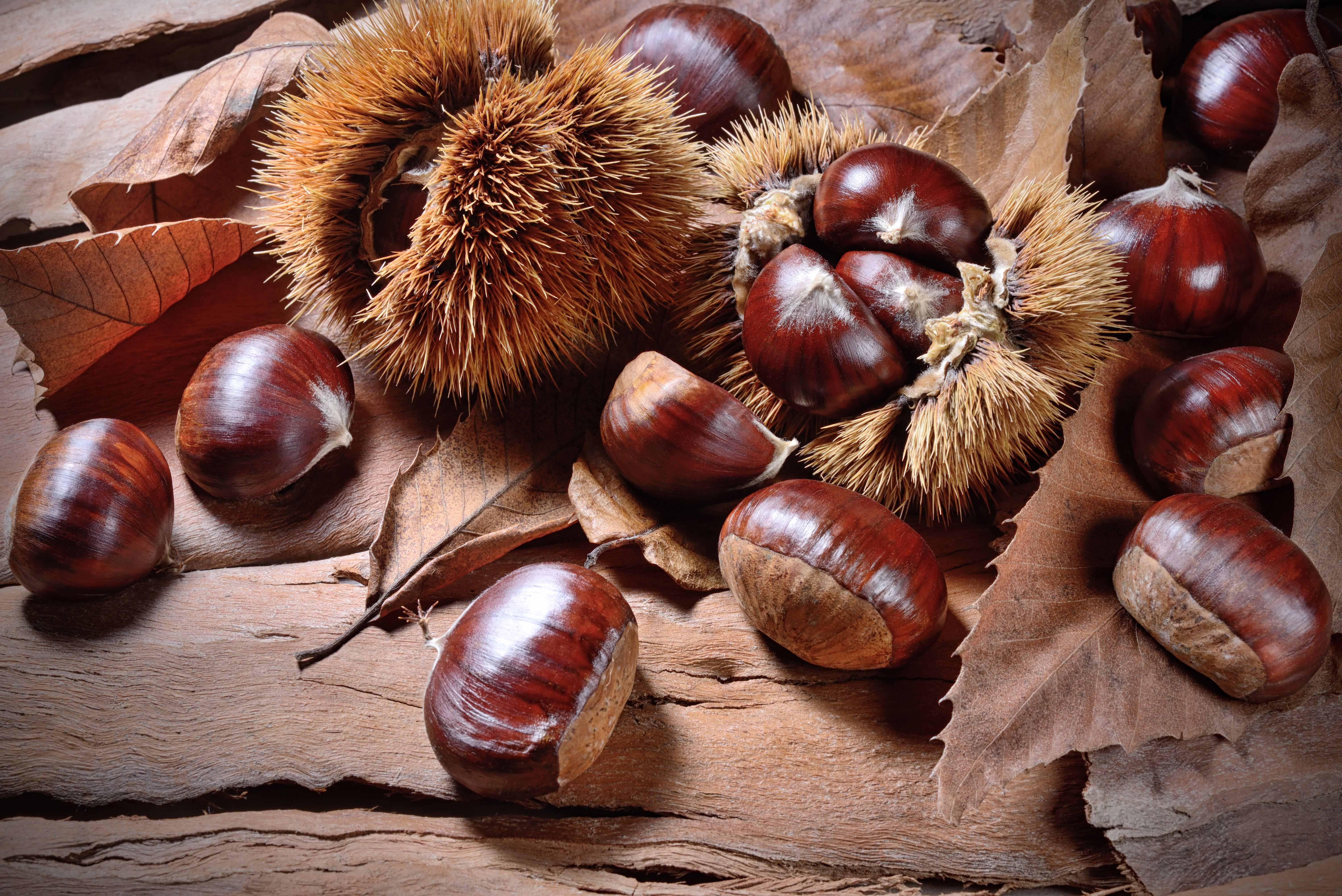
Chestnut trees are a fantastic addition to any property, offering delicious nuts, beautiful foliage, and long-lasting shade. To ensure a strong, productive tree, selecting the right planting site is crucial. In this guide, we’ll cover everything you need to know about choosing the ideal location for your chestnut trees so you can enjoy bountiful harvests for generations to come! 🌳
Selecting the Perfect Site for Your Chestnut Trees 🌎
Choosing the right location is essential for the health and productivity of your chestnut trees. Keep these key factors in mind:
✅ Sunlight: Chestnut trees need full sun (at least 6-8 hours daily) for optimal nut production and healthy growth. ☀️
✅ Soil Type: Well-draining, sandy, or loamy soil is best. Avoid heavy clay soils that retain too much water, as they can cause root rot. 🌱
✅ pH Level: Chestnut trees thrive in slightly acidic to neutral soil, ideally with a pH between 5.5 and 6.5. Test your soil and amend it if necessary.
✅ Air Circulation: Plant in an open area with good airflow to prevent fungal diseases and promote robust growth. 🌬️
✅ Elevation & Drainage: Chestnut trees do best on slopes or well-draining areas to prevent standing water, which can be detrimental to their roots. 🌊
✅ Spacing: Plant chestnut trees at least 30-40 feet apart to allow for full canopy development and avoid competition for nutrients and sunlight. 🌳
Amending the Soil for Optimal Growth 🌿
If your soil isn’t naturally suited for chestnut trees, don’t worry! You can enhance it with these amendments:
🟢 For Heavy Clay Soil: Mix in sand, compost, and aged organic matter to improve drainage and aeration.
🟢 For Poor Nutrient Soil: Add organic compost or well-rotted manure to increase fertility.
🟢 For Low pH (Acidic Soil): Apply lime to raise the pH.
🟢 For High pH (Alkaline Soil): Lower the pH with sulfur, pine needles, or peat moss.
Before planting, till the soil 12-18 inches deep to break up compacted layers and encourage deep root growth. 🌱
Sunlight Requirements ☀️
Chestnut trees thrive in full sun! To ensure strong growth and a plentiful nut harvest, plant them in a location that gets at least 6-8 hours of direct sunlight daily. Shady spots can lead to weak growth and reduced nut production. 🌰☀️
Growth Expectations & When to Expect Chestnuts 🌰
Growing chestnut trees requires patience, but the reward is well worth it!
🌱 Year 1: Focuses on root establishment—no nut production yet.
🌿 Year 2-4: Trees continue to grow and develop a strong structure.
🌰 Year 5+: Chestnuts begin producing nuts, with peak yields around years 10-15.
With proper care, chestnut trees can produce nuts for over 50 years! 🌳
Pruning for Healthy Growth & High Yields ✂️
Pruning is crucial for shaping the tree, maintaining good airflow, and promoting nut production.
🌱 After Planting:
- Remove weak or damaged branches to encourage strong structure.
- Trim to promote a central leader (main trunk) for better stability.
🌿 Annual Pruning:
- Prune in late winter while the tree is dormant.
- Remove dead, diseased, or crossing branches to prevent crowding.
- Maintain an open shape for even sunlight distribution.
Regular pruning helps maximize nut production and prevents disease! 🌰✂️
Watering Your Chestnut Trees 💦
Proper watering is key to establishing and maintaining healthy chestnut trees:
🌱 After Transplanting: Water deeply once or twice a week to encourage deep root growth.
🌰 During Dry Periods: Increase watering to 1-2 inches per week, especially during the growing season.
🌿 Mature Trees: Established trees are drought-resistant but benefit from occasional deep watering during prolonged dry spells.
Avoid overwatering, as chestnut trees prefer well-drained soil. 🚰
Fertilizing for Maximum Nut Production 🌿
Chestnut trees require balanced nutrients to support their growth and nut production:
✅ First-Year Fertilization: Use Nutra Pro 1st Year Fertilize Packs to provide slow-release nutrients for root development.
✅ Mature Trees: Apply a balanced fertilizer (like 10-10-10) in early spring to encourage healthy foliage and nut development.
✅ Avoid Excessive Nitrogen: Too much nitrogen promotes leafy growth at the expense of nut production.
Proper fertilization ensures a strong, productive tree with high nut yields! 🌰🌱
Protecting Your Chestnut Trees 🌱🛡️
Young chestnut trees are vulnerable to pests, weeds, and environmental stress. Protect them using these methods:
🛡️ Max Growth Tree Shelters: Shields young trees from extreme weather and pests, encouraging strong early growth.
🌿 Weed Pro Weed Mats: Suppresses weed competition while helping retain essential moisture for better root establishment.
💧 Soil Moist Transplant Mix: Enhances water retention and reduces transplant shock, ensuring young trees stay hydrated.
🦌 Deer & Rodent Protection: Use tree guards or fencing to prevent damage from browsing animals. 🦌🐿️
Keeping your trees protected leads to higher survival rates and stronger trees! 🌰🌳
Best Place to Buy Chestnut Trees: Ty Ty Plant Nursery, LLC 🏡🌰
For top-quality chestnut trees, trust Ty Ty Plant Nursery, LLC to provide:
✔️ High-quality, disease-resistant varieties ✔️ Healthy, vigorous trees shipped directly to your door ✔️ Expert customer support to guide your growing journey ✔️ Competitive pricing for the best value ✔️ FREE One-Year Plantsurance Policy – Store credit if your tree doesn’t survive the first year! 🌱✅
Order today from Ty Ty Plant Nursery, LLC and start your own chestnut orchard! 🌰🏡
Final Thoughts 🌿
Selecting the right site is the first step toward growing thriving, nut-producing chestnut trees. With proper sunlight, soil, watering, pruning, and fertilization, you’ll enjoy delicious chestnuts and beautiful trees for generations! 🌰🌳
🌟 What’s your favorite way to enjoy chestnuts? Let us know in the comments! 🌟
#ChestnutTrees #NutHarvest #BackyardOrchard #HomegrownNuts #SustainableFarming #TyTyPlantNursery 🌰🌱
Leave a Reply