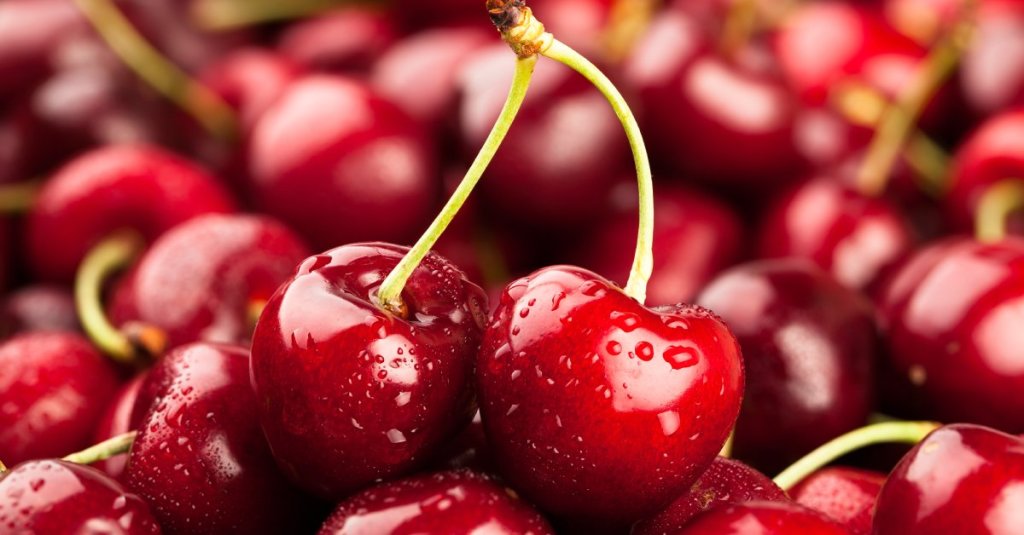
Cherries have a way of stealing the show. Their vibrant colors, juicy textures, and delightful flavors make them a favorite among home bakers, gardening enthusiasts, and food lovers alike. But not all cherries are the same—they come in many different forms. If you’ve stood in a farmer’s market staring at rows of these ruby-red gems, wondering whether to grab sweet or tart cherries, you’re not alone.
While these two varieties share some similarities, they differ significantly in taste, usage, and even cultivation. This guide will help you unravel the differences between sweet and tart cherries, giving you the info you need to determine which is best for your dessert, your garden, or even your health.
Sweet Cherries: The Summer Treat
When most people think of cherries, they often picture the plump, glossy variety with a deep red hue. Sweet cherries, such as the popular Bing and Rainier types, are widely known for their full-bodied, sugary flavor and irresistibly smooth texture. They are typically eaten fresh, straight from the carton, making them a perfect snack on a warm summer day.
Beyond their undeniable snackability, sweet cherries also shine in salads, smoothies, and drinks. Their naturally high sugar content lends them a refreshing quality, ideal for balancing the acidity in a salad vinaigrette or complementing the richness of a yogurt parfait.
When juiced or muddled, sweet cherries can transform a basic cocktail into a fruity masterpiece. However, their high sugar levels keep them from being a first choice for baking, as their inherent sweetness can sometimes overpower other ingredients.
While sweet cherries are best enjoyed fresh or in lighter recipes, their captivating flavor and striking appearance make them a symbol of summer indulgence. If you’re looking to capture the essence of sunny, carefree afternoons, sweet cherries will not disappoint.

Tart Cherries: The Baker’s Secret
If sweet cherries are the summer treat, tart cherries are the culinary secret weapon. Often smaller and softer, tart cherries, like the Montmorency or Sour Cherry varieties, offer a tangy bite that balances sweetness with a sharp acidic punch. This unique flavor profile is why they’re adored by professional chefs and amateur bakers alike.
Their slightly sour nature makes tart cherries the perfect choice for a variety of baked goods. Think pies, cobblers, and tarts that pack a punch of flavor without becoming cloying. Tart cherries also excel in savory recipes, where their tanginess can add depth to sauces for poultry or pork.
And if dried cherries are your thing, you’ll find that the tart varieties often shine brightest, delivering a chewy blend of tang and sweetness that’s irresistible in trail mixes, salads, or baked bread.
Tart cherries aren’t just versatile—they’re also incredibly forgiving during cooking. Whereas sweet cherries can lose their flavor when baked, tart cherries develop a richness that transforms basic dishes into something extraordinary. Simply put, if you want flavor that has range and nuance, tart cherries are your go-to.
Growing Your Own Cherry Tree
Whether you’re drawn to sweet cherries, tart cherries, or both, growing your very own cherry tree offers a rewarding experience for homeowners and gardeners. First, you’ll want to decide which variety to plant. Good news; you can easily find a wide variety of sweet and tart cherry trees for sale online, so it all comes down to finding out which variety is best for your needs.
Sweet cherry trees thrive in slightly warmer climates and need pollinators, so planting multiple trees is crucial for successful fruiting. Tart cherry trees, on the other hand, can withstand slightly colder conditions and are generally self-pollinating, making them a bit easier for beginner gardeners.
Location is equally vital. Cherry trees need full sun and well-drained soil to produce abundant fruit. Choose an area with good air circulation, as this discourages pests and diseases common to fruit trees. Careful pruning during the dormant season will also help your tree thrive and produce higher yields of fruit.
Patience is key when growing cherries—most trees take about three to five years to bear fruit. But once they do, the reward is priceless. Imagine stepping into your backyard to pick a handful of fresh cherries for breakfast or collecting a bowl to bake into a pie. It’s a labor of love that pays off in the most delicious way.

Nutritional Benefits of Cherries
As you can see, there are many differences between sweet and tart cherries. However, whether you prefer sweet cherries or their tart counterparts, both varieties pack a nutritional punch. Cherries are brimming with antioxidants, which can help reduce inflammation. Tart cherries, in particular, are popular for their high concentration of anthocyanins, compounds that may support joint health and aid muscle recovery after exercise. This has made tart cherry juice a favorite among athletes.
Sweet cherries, while slightly higher in natural sugars, still offer plenty of health perks. They’re rich in vitamin C and dietary fiber, making them a healthy choice for snacking. Both types of cherries are also low in calories, so you can enjoy them guilt-free.
Interestingly, another reason that cherries are frequently included in healthy diets is because they may support better sleep. They contain natural melatonin, the hormone responsible for regulating sleep cycles. While it’s important to know the popular health benefits of cherries, remember that you should always talk to a healthcare specialist about how these may affect your specific diet. Luckily, in general, whether you snack on them fresh or enjoy a warm cherry dessert before bed, you’ll be nourishing your body and setting yourself up for a restful night.
Cherish the Cherry
Sweet or tart, cherries are truly one of nature’s most versatile and delightful fruits. Sweet cherries bring a burst of sugary joy to summer snacking, while tart cherries elevate any dish with their tangy complexity. For homeowners and gardeners, cherry trees offer a sustainable way to enjoy fresh fruit while beautifying your outdoor space. And for foodies, the possibilities are endless—whether you’re blending cherries into smoothies, baking them into pies, or exploring creative savory pairings.
Now that you know the ins and outs of sweet and tart cherries, it’s time to celebrate this small but mighty fruit. Whether you’re planning your next culinary masterpiece, dreaming of planting your own cherry tree, or simply looking to enjoy a healthy snack, there’s always a reason to cherish the cherry.

 Ty Ty Plant Nursery's Blog
Leave a comment