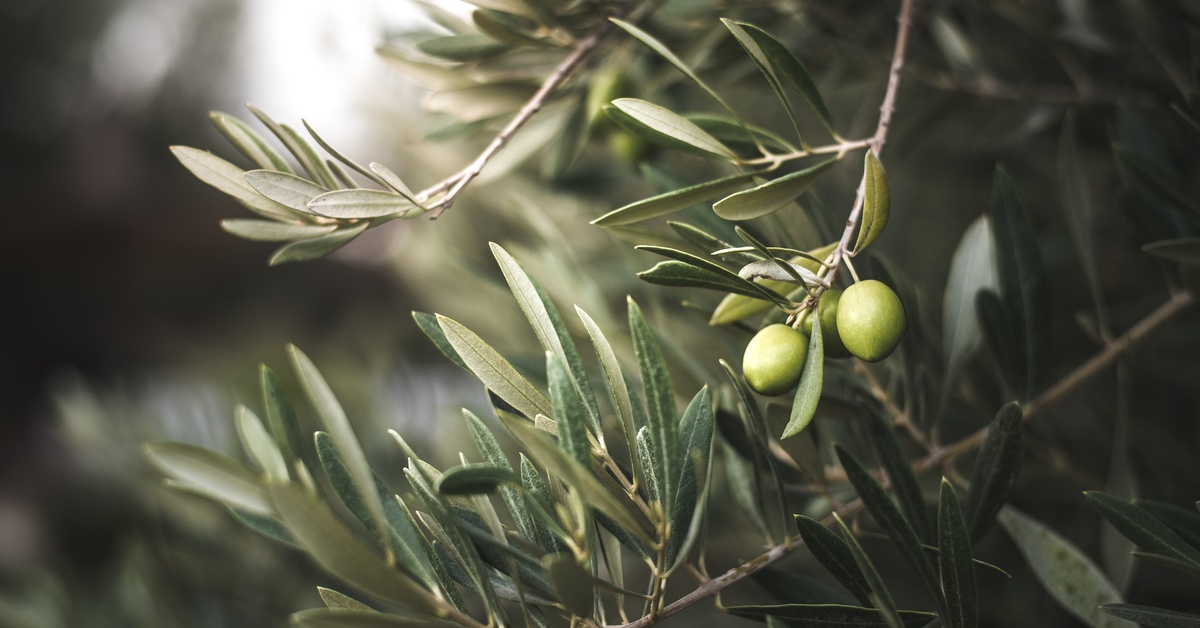
Olive trees are more than just beautiful additions to your home or garden—they’re living symbols of peace, longevity, and history. Whether you’re drawn to their silvery-green leaves or the idea of harvesting your own olives, these trees are a unique and rewarding addition to any landscape. However, taking care of an olive tree requires some knowledge and consistent upkeep. Luckily, with a little guidance, you’ll find that caring for your tree is not only manageable but also deeply satisfying. Let’s take a closer look at how to properly care for your olive tree so you can keep your garden thriving.
Choosing the Right Olive Tree
Selecting the right olive tree is the first step in your journey. Different varieties of olive trees are suited to different climates and spaces, so you should try to match the tree with its environment. If you live in a region with a warm, Mediterranean-like climate, you’ll have plenty of options. However, if you’re in a cooler area, you’ll need to look for more cold-hardy varieties, such as Arbequina or Picual.
Your available space will also influence your choice. If you’re planting indoors or in a small garden, dwarf varieties such as Little Ollie are perfect. However, keep in mind that Little Ollies are a fruitless variety. For larger outdoor areas, traditional varieties can grow to their magnificent full size, providing plenty of shade and visual appeal.
Overall, the diverse selection of species makes it easy for homeowners to plant and raise trees of their own. Whatever your choice, starting with a healthy, young tree from a reputable nursery will set you up for success. For example, at Ty Ty Nursery, our olive trees for sale include Arbequina, Kalamata, Koroneiki, Lucca, and many more.
Planting Your Olive Tree
Planting an olive tree might seem intimidating, but a bit of preparation goes a long way. The location you choose is critical. Olive trees thrive in full sun, so aim for a spot that receives at least six hours of direct sunlight a day. They also need well-draining soil, as these trees don’t tolerate waterlogged roots.
Before planting, loosen the soil and mix in some compost to improve its nutrient content. When planting, dig a hole slightly larger than the tree’s root ball and position the tree so it’s straight and stable. Gently fill in with soil, ensuring the root crown remains above ground level to avoid rot. Water thoroughly after planting to help the roots settle into their new home.
Watering and Fertilizing
Proper hydration is key to a healthy olive tree, but these plants are surprisingly drought-tolerant once established. During the first year, prioritize consistent watering to help the roots grow strong and deep. Water your tree when the top inch or so of soil feels dry, but be careful not to overwater, as olive trees despise standing water.
Fertilizing is another important part of care. Olive trees don’t ask for much, but they’ll benefit from a balanced fertilizer applied annually in spring. A fertilizer high in nitrogen encourages healthy leaf and branch growth. Organic compost around the base of the tree can provide additional nutrients and improve soil quality.

Pruning Techniques
One of the most important ways to properly care for your olive tree is to stay up to date with pruning throughout the year. Pruning serves multiple purposes when it comes to olive trees. It helps maintain their shape, improves airflow, and supports better fruit production. Late winter or early spring, before new growth begins, is the best time to prune. Start by removing any dead or damaged branches.
Additionally, olive trees naturally grow in an open, airy shape, which prevents fungal diseases and allows sunlight to reach all parts of the tree. Focus on maintaining this structure during pruning. If your tree produces fruit, thin out some of the smaller branches to direct the tree’s energy toward producing higher-quality olives. Over time, you’ll become familiar with your tree’s needs, and pruning will feel like second nature.
Protecting From Pests and Diseases
Like all plants, olive trees are susceptible to pests and diseases, but with a vigilant eye, you can catch and resolve most problems early. Common pests include olive fruit flies, scale, and aphids. Usually, you can easily manage these pests using insecticidal soap or horticultural oil.
Fungal diseases, such as sooty mold and root rot, are also potential concerns. Good airflow and proper watering practices typically prevent these issues. Fungicides can help in severe cases, but prevention is always the best approach. Keep an eye on your tree’s leaves and branches, and if you notice any unusual discoloration or wilting, act quickly to address the issue.
Harvesting Olives
If your olive tree produces fruit, harvesting is one of the most exciting parts of care. Typically, olives are ready to pick in late fall, though the exact timing will depend on your climate and the specific variety of your tree.
Green olives are always picked earlier, while black (ripe) olives mature later in the season. Harvesting is as simple as gently pulling the olives from the branches or laying down a tarp and shaking the tree to make the fruit fall.
Once you’ve harvested your olives, you can cure them for eating or press them to make your own olive oil.

Caring for an Olive Tree Is a Labor of Love
Owning and caring for an olive tree is a deeply fulfilling experience that connects you to centuries of tradition. Each step in the process, from nurturing a young tree to harvesting fruit from a mature one, brings its own rewards.
With the right care, your olive tree will not only thrive but also bring beauty, peace, and possibly even delicious olives to your life. Take the time to observe and respond to your tree’s needs, and don’t hesitate to seek advice if challenges arise.
Put these tips into action and discover the beauty, tradition, and delicious potential that an olive tree can bring to your life. Whether you’re a seasoned gardener or just getting started, the rewards are worth it.

Leave a Reply