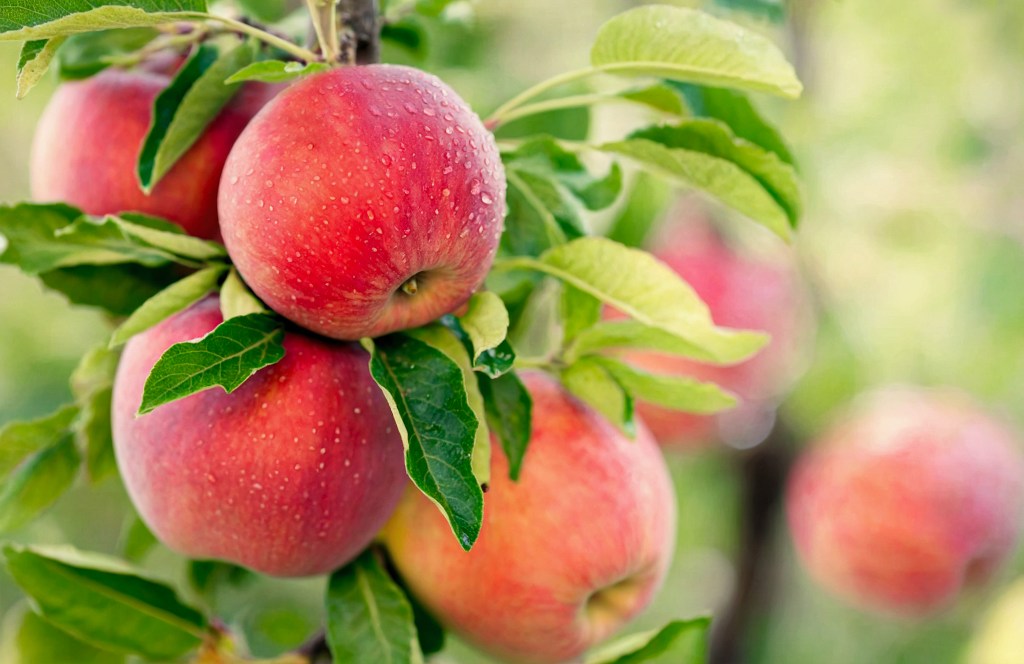
Spring is just around the corner, and if you want to enjoy a healthy, bountiful apple harvest, now is the perfect time to give your apple trees some TLC. Whether your trees are planted in the ground or thriving in pots, prepping them for the growing season ensures vigorous growth, fewer pests, and better fruit. Here are the top 5 things to do to your apple trees to get them ready for spring!
1. Prune for Structure and Strength ✂️
Late winter to early spring—before buds break—is the ideal time to prune apple trees. Pruning improves airflow, light penetration, and fruit production.
✅ Remove dead, damaged, or diseased wood
✅ Thin out crowded branches to create an open, vase-like shape
✅ Cut back last year’s growth by about one-third to encourage new shoots
✅ Remove suckers and water sprouts from the trunk and base
Proper pruning helps reduce disease and sets the stage for a strong, fruitful season.
2. Clean Up Around the Base 🍂
A clean orchard floor helps prevent overwintering pests and fungal diseases.
✅ Rake up fallen leaves and fruit from around the tree
✅ Remove weeds and grass that compete for nutrients and harbor pests
✅ Refresh mulch (but keep it away from the trunk) to retain moisture and suppress weeds
This simple step reduces the risk of disease and makes future maintenance easier.
3. Apply Dormant Oil Spray 🌿🛡️
Before the buds open, treat your apple trees with dormant oil spray to smother overwintering insects and their eggs, such as aphids, scale, and mites.
✅ Apply on a dry day when temperatures are above 40°F
✅ Only spray on dormant trees—never on open blossoms
✅ Follow the label instructions for dilution and coverage
This proactive pest control can save your tree from future infestations.
4. Feed with a Balanced Fertilizer 🍽️
After pruning and just before new growth begins, feed your apple trees to support strong roots and healthy foliage.
✅ Use a balanced fertilizer like 10-10-10 or fruit tree-specific blends
✅ For potted trees, mix in slow-release fertilizer like Nutra Pro Fertilize Packs
✅ Avoid over-fertilizing—too much nitrogen can reduce fruiting
Feeding now ensures your tree has the nutrients it needs to power through the growing season.
5. Inspect and Plan for Pollination 🌸🐝
Most apple varieties need a pollinator partner to produce fruit, but some (like ‘Golden Delicious’ and ‘Granny Smith’) are self-fertile.
✅ Make sure your trees have compatible varieties nearby if not self-pollinating
✅ Encourage pollinators by planting bee-friendly flowers nearby
✅ Keep pollination in mind when planting new trees or containers
Strong spring bloom and successful pollination = better fruit set and more apples come summer!
Final Thoughts 🌞
A little attention now can mean the difference between a mediocre and an exceptional apple harvest. With pruning, clean-up, fertilizing, and a bit of planning, your apple trees will be more than ready to burst into spring.
🌟 Need apple trees or spring supplies? Visit Ty Ty Plant Nursery, LLC for the highest-quality trees, fertilizers, and pest solutions—delivered right to your door. Every tree includes a FREE One-Year Plantsurance Policy! 🌿✅
#AppleTreeCare #SpringOrchardPrep #BackyardOrchard #GrowYourOwn #TyTyPlantNursery #PruningTips #FruitTreeFertilizer #EdibleGarden #CrunchyMomLife #OrganicGardening #HealthyHomegrown #NontoxicGardening #SlowLiving #GardenChecklist #UrbanHarvest #AppleSeasonReady

 Ty Ty Plant Nursery's Blog
Leave a comment