Harvesting grapes from your own vineyard isn’t just about picking fruit; it’s about experiencing the culmination of months—or even years—of nurturing vines. For home vineyard owners and grape-growing enthusiasts, this is a moment filled with anticipation, pride, and joy. Whether you’re growing grapes for wine, juice, or fresh eating, successful harvesting ensures all your hard work pays off.
This guide will take you through everything you need to know about harvesting grapes. From understanding when your grapes are perfectly ripe to the best tools and techniques to use while harvesting, we’ll uncover practical steps to set you up for success.
Understanding Grape Maturity: Knowing When To Harvest
Harvesting too early or too late can impact the flavor, sugar content, and usability of your grapes. Knowing when your grapes are perfectly ripe starts with understanding grape maturity markers. While scientific tools can help, your senses play a crucial role as well.
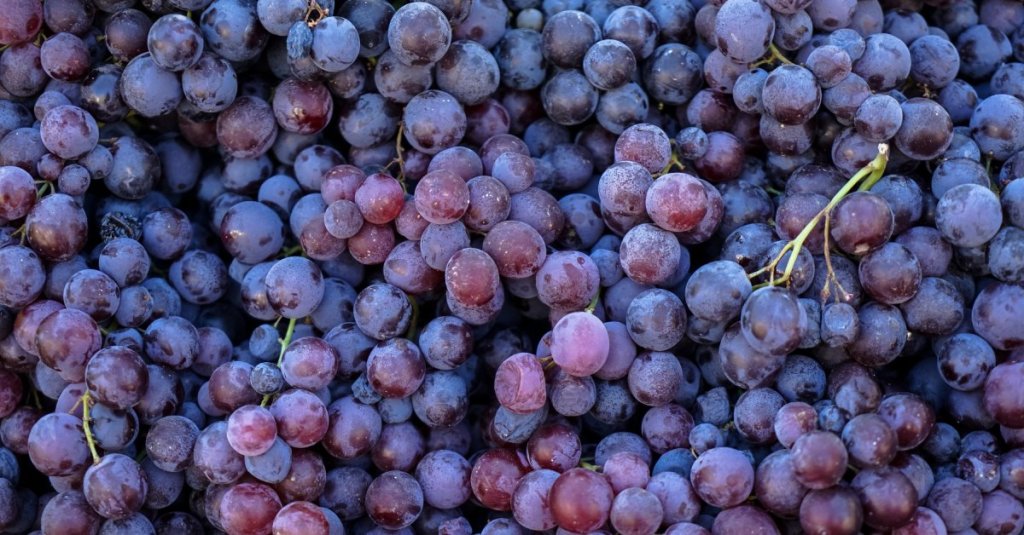
Visually, ripe grapes on the vine will look plump and uniform in color. For red or purple varieties, this means the skin looks richly pigmented without any green tints. Green grape varieties should appear translucent and vibrant rather than dull or pale. Beyond how they look, gently squeezing a grape can tell you if it’s firm yet juicy instead of hard or dry.
Taste is another excellent indicator of ripeness. Ripe berries should have a good balance between sweetness and acidity without a strong sour or tart flavor. Tasting a few grapes from various parts of the vine will help you determine if the entire cluster is ready.
For more precise indicators, you can also measure sugar levels and acidity with simple tools like a refractometer and pH meter. These tools provide accurate data on whether your grapes are ready, particularly if they’re being harvested for wine production.
A sugar level of around 16–28° Brix and an acidity level between 7 and 9 grams per liter generally indicate readiness, depending on the grape variety.
Essential Tools and Equipment for Grape Harvesting
Having the right tools on hand will make the harvest process more efficient and enjoyable. While the job doesn’t require complicated machinery, a few essential items can greatly improve your experience.
Pruning shears are indispensable for cutting grape clusters cleanly from the vine. Look for sharp shears that allow you to work quickly without damaging the delicate fruit. A curved blade is typically preferred, as it contours nicely around the vine.
Collection containers, like shallow baskets or plastic bins, are important for transporting the grapes. Containers with padded bottoms or lined interiors can help protect the fruit from bruising. Avoid overfilling them, as heavy clusters toward the bottom may crush those above.
Safety gear might not always come to mind, but you shouldn’t overlook it. Wearing nitrile gloves can protect your hands from staining or cuts. Long sleeves and a sun hat are helpful for hot days, and closed-toe shoes will come in handy if you’re walking over uneven vineyard terrain.

Step-by-Step Guide To Harvesting Grapes
Harvesting grapes is a gentle process that requires care and attention to detail. While the excitement of seeing the ripe clusters can tempt you to rush, taking it slow ensures the best results.
Begin by examining the vine for healthy clusters. Spot signs of overripened or damaged grapes—such as shriveling, cracking, or discoloration—and choose only the best fruit. Using your shears, cut the stem of the grape cluster closest to where it connects to the vine while holding the cluster gently in your other hand. This reduces strain on the vine and prevents the cluster from dropping to the ground.
The way you handle the grapes after cutting is just as important as the cutting itself. Avoid stacking them too high in collection containers and keep the clusters out of direct sunlight to prevent heat damage. If your vineyard is especially large, harvesting during the early morning or late afternoon is ideal to maintain the fruit’s freshness.
Work one vine section at a time and remember to periodically tidy up fallen leaves or stray stems around the clusters to keep your workspace clean. This method also makes inspecting the overall health of your vines easier.
Post-Harvest Grape Care and Storage
Learning everything you need to know about harvesting grapes also requires focusing on proper storage afterward. Once your grapes are finally harvested, post-harvest care becomes crucial, especially if your goal is to make wine or preserve the fruit. Proper care ensures the grapes’ quality and flavors remain intact.
Begin by sorting the clusters. Remove any grapes that appear overripe, damaged, or moldy. If you’re consuming the grapes fresh, store them in a refrigerator for up to two weeks. Placing them in breathable containers, such as perforated storage bins, helps to maintain their crispness.
For winemaking, process the grapes as soon as possible to capture their peak flavor. Pressing the fruit immediately after harvest is ideal for preserving their varietal character and natural acidity. If immediate processing isn’t an option, cold storage (around 32°F) is your best bet for maintaining freshness until you’re ready to begin.

Celebrating the Fruits of Your Labor
Don’t hesitate to start looking for grape vines for sale if you want to take one big step closer to enjoying the harvesting process at home. Harvesting grapes is one of the most rewarding steps in vineyard tending. It marks the transition from nurturing and patience to enjoying a tangible result of your hard work. Whether you transform them into wine, juice, or jam, or you simply pop them fresh into your mouth, every grape you harvest carries the story of your dedication.
Sharing your harvest with friends, family, or other grape enthusiasts adds another layer of joy to the experience. Consider hosting a small gathering to showcase your freshly harvested grapes and the ways you’ve incorporated them into recipes or beverages. If nothing else, take pride in knowing that your vineyard has yielded something special.
The more you know, the better your harvests will be. Now that you’re equipped with the essentials of harvesting grapes, it’s time to put your knowledge into action. Whether you’re dreaming of starting your first vineyard or perfecting your current harvest, there’s no better time than now to achieve your goals. Start your grape-growing journey today!

 Ty Ty Plant Nursery's Blog
Leave a comment