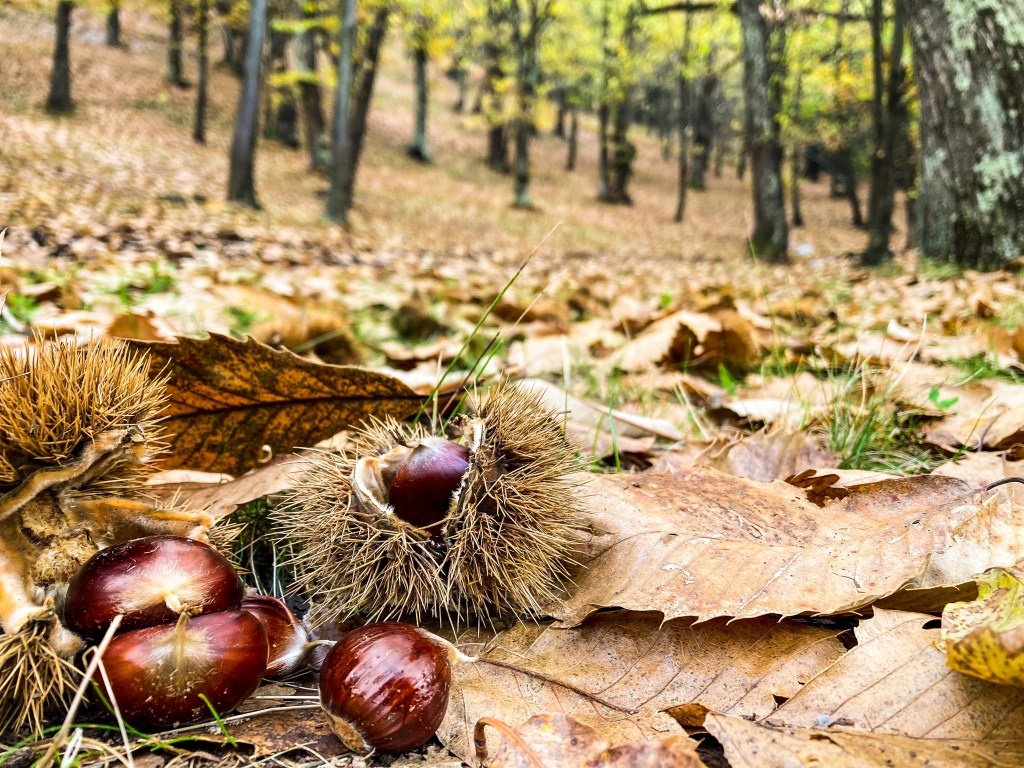
Spring is a crucial time for setting your chestnut trees up for success. Growing American, Chinese, or hybrid chestnuts in the ground, proper preparation can mean the difference between a struggling tree and a thriving, productive one. Here are the top 5 things to do to your chestnut trees in early spring to ensure a healthy growing season and abundant fall harvest. 🌳
1. Prune for Shape and Structure ✂️
Late winter to early spring is the best time to prune chestnut trees before they leaf out.
✅ Remove dead, damaged, or crossing branches
✅ Shape the tree for a strong central leader and well-spaced limbs
✅ Open the canopy to improve air circulation and sunlight penetration
✅ Cut suckers from the base of the tree or along the trunk
Good pruning keeps your tree healthy and encourages better nut production later in the season.
2. Clean Up Around the Base and Refresh Mulch 🍂
A tidy base helps reduce disease and pest problems while supporting soil health.
✅ Rake up old leaves, shells, and fallen debris from last season
✅ Remove weeds or grass that compete for water and nutrients
✅ Apply a fresh layer of mulch 2–3 inches thick (leave a gap around the trunk)
✅ Use straw, wood chips, or composted mulch for best results
Mulch helps retain moisture, regulate soil temperature, and suppress weeds.
3. Feed with Balanced Fertilizer for Strong Growth 💪
Chestnut trees benefit from feeding as they wake up from dormancy.
✅ Apply a balanced fertilizer like 10-10-10 around the drip line
✅ Use Nutra Pro Fertilize Packs or slow-release formulas
✅ Don’t over-fertilize—chestnuts prefer a moderate nutrient boost
✅ Consider a second light feeding in early summer if needed
Feeding now gives your tree the energy it needs for healthy leaf, flower, and root development.
4. Inspect for Pests and Signs of Blight 🛡️
Spring is the time to check for lingering issues and start preventative care.
✅ Look for signs of chestnut blight, including orange cankers or sunken lesions
✅ Watch for aphids, scale, or weevils as new growth appears
✅ Remove affected limbs and dispose of them away from the tree
✅ Apply dormant oil spray before bud break if pests were an issue last season
Catching problems early helps you manage pests and disease before they spread.
5. Water Deeply and Prepare for New Growth 💧
As temperatures rise and new buds swell, your chestnut tree will need steady moisture.
✅ Begin a consistent watering routine, especially for young trees
✅ Water deeply to encourage strong root development
✅ Use Soil Moist Transplant Mix to retain moisture
✅ Ensure your tree has proper drainage and isn’t sitting in soggy soil
Deep watering supports healthy foliage and helps the tree handle hot weather later in the season.
Final Thoughts 🌞
Chestnut trees are hardy and productive, but a strong spring foundation ensures they’ll thrive for decades. With the right pruning, feeding, clean-up, and early care, your tree will be well on its way to a beautiful season and a rich autumn harvest.
🛒 Need chestnut trees, fertilizer, or mulch? Visit Ty Ty Plant Nursery, LLC for top-quality products and trees—delivered to your door and backed by a FREE One-Year Plantsurance Policy! 🌿✅
#ChestnutTreeCare #SpringOrchardPrep #GrowChestnuts #TyTyPlantNurseryLLC #BackyardOrchard #NontoxicGardening #HealthyHomegrown #FruitAndNutTrees #OrganicGardening #CrunchyMom #SlowLiving #UrbanHarvest #GrowYourOwnNuts #EdibleGarden #TreeCareTips #RealFoodMama

 Ty Ty Plant Nursery's Blog
Leave a comment