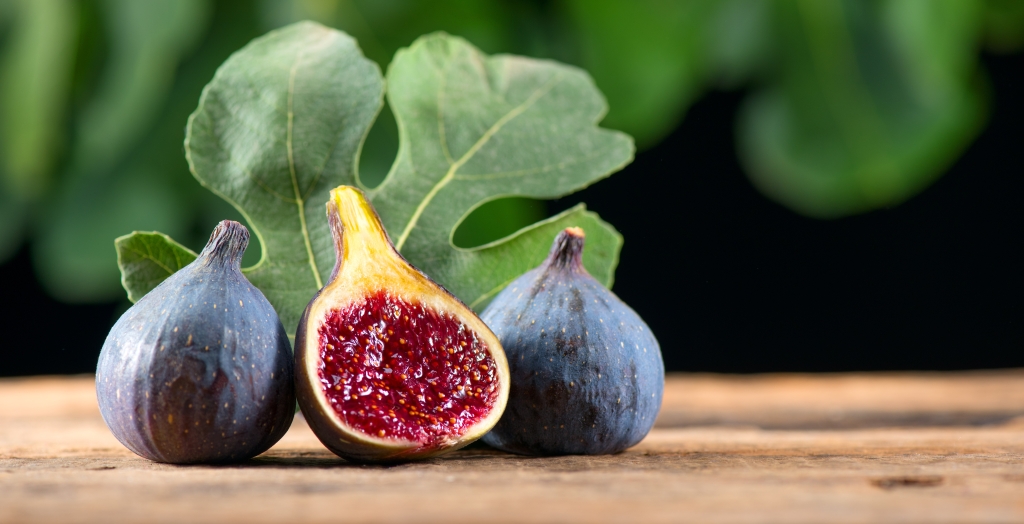
Fig trees are among the most rewarding fruit trees for home gardeners—low maintenance, beautiful, and loaded with sweet, soft fruit. But even these Mediterranean natives need a little attention as they wake up from winter dormancy. Whether you’re growing figs in containers or in the ground, here are the top 5 things to do to your fig trees in early spring to ensure a healthy growing season and a sweet summer harvest!
1. Prune for Shape, Health & Better Fruit ✂️
Spring pruning is key to encouraging new growth and productive fruiting wood.
✅ Remove dead, damaged, or frost-killed branches
✅ Cut out any crowded, crossing, or inward-facing growth
✅ Maintain an open center to improve air circulation and sunlight penetration
✅ For potted trees, prune to keep a manageable size and shape
Figs fruit on new growth, so proper pruning boosts your harvest!
2. Clean Up and Refresh the Root Zone 🍂
A tidy base helps prevent pests, fungus, and competition from weeds.
✅ Remove old leaves, mulch, and any fallen fruit from around the tree base
✅ Pull weeds and unwanted sprouts near the trunk
✅ Apply a fresh 2–3 inch layer of mulch (compost, wood chips, or straw)
✅ Keep mulch a few inches away from the trunk to prevent rot
Clean soil encourages strong root development and healthy microbial activity.
3. Feed for Vigorous Growth & Sweet Fruit 🍽️
As your fig tree starts growing again, give it the nutrients it needs to thrive.
✅ Use a balanced fertilizer (10-10-10) or one formulated for fruit trees
✅ For potted figs, use Nutra Pro Fertilize Packs for slow-release feeding
✅ Feed early in spring, then again after fruit set if needed
✅ Avoid excess nitrogen, which promotes leaf growth over fruit
Fertilizing in spring sets the tone for healthy leaves and high-quality figs later in the season.
4. Inspect for Pests & Winter Damage 🛡️
Check your fig tree carefully as it wakes up.
✅ Look for signs of overwintering pests like scale, aphids, or spider mites
✅ Inspect for damage or cracks in the bark from freeze/thaw cycles
✅ Remove any dried or shriveled fruit (“mummies”) still hanging on branches
✅ Apply horticultural oil if needed before new leaves emerge
Early detection = easier management and a healthier growing season.
5. Water Consistently & Get Sunlight Right 💧☀️
As temperatures rise and new growth appears, water and sunlight become essential.
✅ Water deeply once or twice a week if there’s no rain
✅ Don’t let container figs dry out completely—use Soil Moist Transplant Mix to aid retention
✅ Ensure your fig gets 6–8 hours of sun daily
✅ For northern growers, move container trees back outside once nighttime temps stay above 45–50°F
Consistent water and sunshine = faster growth, better fruit, and a happier tree.
Final Thoughts 🌞
Fig trees don’t ask for much, but a few smart moves in early spring can set them up for a productive, delicious season. With proper pruning, cleanup, feeding, and sun exposure, your tree will reward you with lush growth and loads of sweet, homegrown figs.
🛒 Need fig trees, fertilizer, or potting supplies? Visit Ty Ty Plant Nursery, LLC for top-tier trees and gardening essentials—shipped to your door and backed by a FREE One-Year Plantsurance Policy! 🌿✅
#FigTreeCare #SpringGardenPrep #GrowFigs #TyTyPlantNursery #BackyardOrchard #CrunchyMomLife #HealthyHomegrown #UrbanHarvest #OrganicGardening #RealFoodMama #PruneAndFeed #NontoxicGardening #SlowLiving #EdibleGarden #ContainerFruitTrees #FruitFreedom #SmallSpaceFruit #SunroomGarden

 Ty Ty Plant Nursery's Blog
Leave a comment