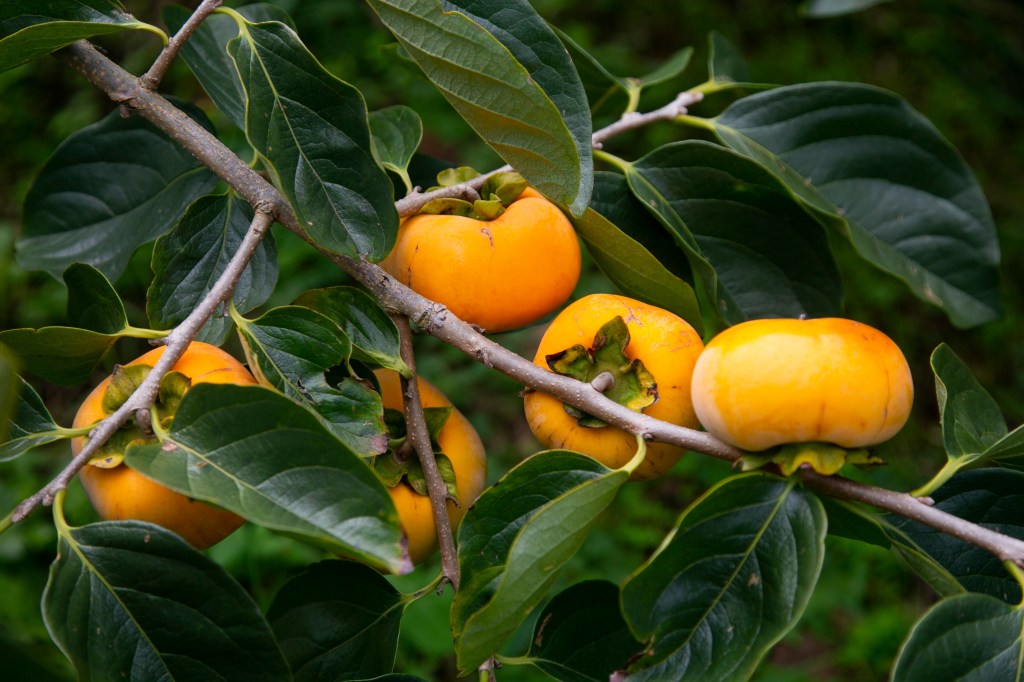
Persimmon trees are a beautiful and rewarding addition to any garden, known for their sweet, honey-flavored fruit and ornamental fall color. Whether you’re growing a Japanese (Diospyros kaki) or American (Diospyros virginiana) persimmon, a little spring prep will ensure strong growth, vibrant blooms, and a bountiful harvest. Here are the Top 5 Things to Do to Your Persimmon Trees This Spring!
1. Prune Lightly for Shape and Health ✂️
Persimmons need only minimal pruning, but spring is the time to do it right.
✅ Remove dead, damaged, or crossing branches
✅ Thin dense areas to improve airflow and light penetration
✅ Maintain a balanced, open structure to support healthy fruit set
✅ For potted trees, trim to keep a manageable size
Avoid heavy pruning—persimmons bloom and fruit best on older wood.
2. Clean Up Around the Base and Refresh Mulch 🍂
A clean base supports healthy roots and reduces pest risks.
✅ Rake away old leaves, fallen fruit, and debris
✅ Pull weeds that compete for water and nutrients
✅ Apply 2–3 inches of fresh mulch (bark, straw, or compost) around the base
✅ Keep mulch a few inches away from the trunk to prevent rot
Mulch helps retain moisture, regulate soil temperatures, and suppress weeds.
3. Feed with Balanced Fertilizer for Strong Growth 🍽️
Persimmons are not heavy feeders, but spring fertilizing boosts overall vigor.
✅ Apply a balanced fertilizer (10-10-10) as new growth starts
✅ For containers, use slow-release options like Nutra Pro Fertilize Packs
✅ Supplement with compost for improved soil health
✅ Avoid high-nitrogen fertilizers, which promote too much leafy growth at the expense of fruit
A well-fed persimmon tree produces lush growth and sets more fruit.
4. Water Consistently as New Growth Appears 💧
As temperatures rise, your persimmon tree will need steady moisture.
✅ Deeply water once or twice a week depending on rainfall and temperature
✅ For container trees, check soil moisture often and adjust watering as needed
✅ Use Soil Moist Transplant Mix to help pots retain moisture
✅ Ensure good drainage—persimmons dislike soggy roots
Proper watering during early growth stages promotes strong roots and healthy leaves.
5. Monitor for Pests and Bud Break 🌱🐛
As your tree wakes up, stay alert for early signs of pests or disease.
✅ Inspect new leaves and buds for aphids, scale, or caterpillars
✅ Remove any leftover dried fruit (“mummies”) from branches
✅ Apply dormant oil spray before bud break if pests were an issue last year
✅ Watch for bud swelling and early blossoms!
Early action protects your tree and sets the stage for strong blooms and fruiting.
Final Thoughts 🌞
Persimmon trees are hardy, low-maintenance, and highly rewarding—but they still need a little spring attention to truly shine. With smart pruning, feeding, watering, and pest monitoring, you’ll enjoy lush growth and a harvest of sweet, glowing fruit by fall.
🛒 Need persimmon trees, fertilizer, or spring garden supplies? Shop Ty Ty Plant Nursery, LLC for top-quality trees and orchard essentials—plus a FREE One-Year Plantsurance Policy with every order! 🌿✅
#PersimmonTreeCare #SpringGardenPrep #GrowPersimmons #TyTyPlantNursery #BackyardOrchard #CrunchyMomLife #HealthyHomegrown #OrganicGardening #FruitFreedom #RealFoodMama #UrbanHarvest #SmallSpaceFruit #EdibleGarden #NontoxicGardening #SlowLiving #PatioOrchard #SelfFertileFruitTree


 Ty Ty Plant Nursery's Blog
Leave a comment