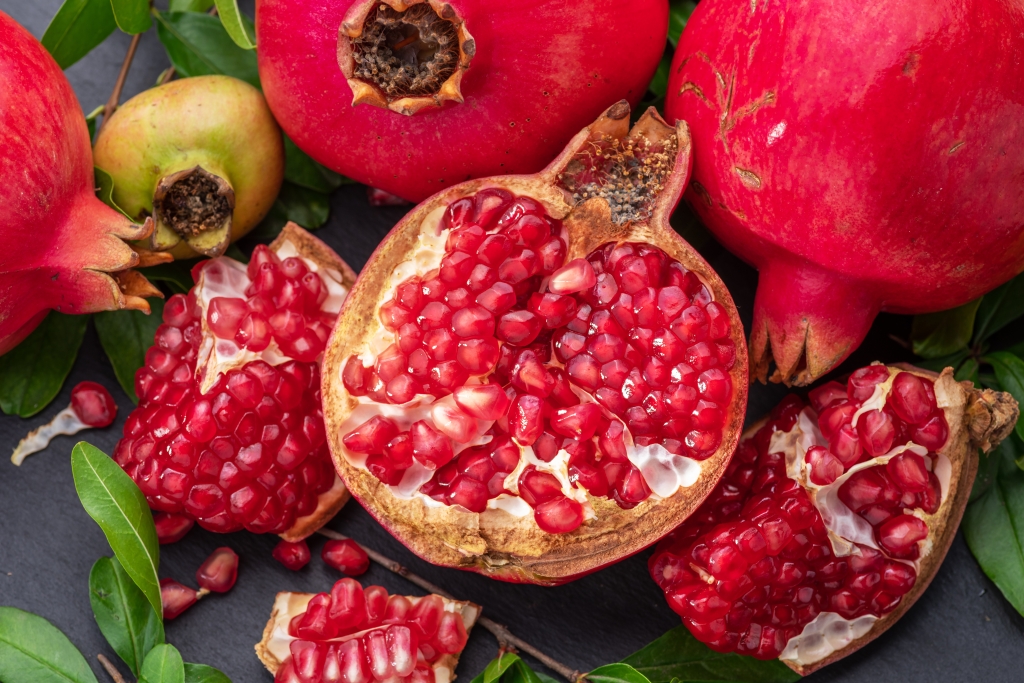
Pomegranates are resilient, drought-tolerant fruiting shrubs, but they reward attentive spring care with enhanced vigor, bloom density, and fruit production. Whether you’re growing soft-seeded cultivars for fresh eating or hard-seeded types for juicing and storage, these five spring tasks are critical for setting the stage.
1. Execute Strategic Structural Pruning
Perform structural pruning just before bud break, ideally in late winter to early spring. Focus on:
- Removing dead, diseased, or frost-damaged branches,
- Thinning congested interior growth to improve airflow and light penetration,
- Shaping the tree to a vase or multi-stemmed shrub form, which is ideal for pomegranate physiology.
Avoid over-pruning, as excessive removal may delay fruiting or stimulate vegetative overgrowth.
2. Apply a Preventative Fungicide and Insecticidal Spray
While pomegranates are relatively pest-resistant, spring is the ideal time to apply a preventative copper-based fungicide and a horticultural oil spray to combat:
- Anthracnose (Colletotrichum spp.),
- Leaf spot diseases,
- Aphid and scale infestations overwintering in branch junctions.
Apply sprays early in the morning or late in the day when wind is minimal, and temperatures are between 45°F and 75°F.
3. Perform a Deep Soil Nutrient Audit and Fertilization
In early spring, apply a balanced fertilizer such as 10-10-10 NPK or a custom blend with higher potassium (K) to support flower development and future fruit integrity.
Incorporate organic compost or worm castings to enhance:
- Soil microbial activity,
- Moisture retention,
- Long-term nutrient availability.
For mature trees, broadcast fertilizer in a wide ring under the drip line and water it in deeply.
4. Renew Mulch and Implement Weed Control Protocols
Weed pressure can significantly reduce young pomegranate vigor. After removing competing vegetation, apply 2–4 inches of organic mulch such as pine bark, composted leaves, or straw.
Benefits include:
- Moderated soil temperature,
- Suppressed weed germination,
- Enhanced soil structure and microbe diversity.
Leave a mulch-free ring around the trunk (approx. 4–6 inches) to prevent crown rot.
5. Conduct a Graft Union and Root Collar Examination
Carefully inspect the graft union (if applicable) and basal trunk area for:
- Sucker growth emerging from below the graft,
- Rodent or frost damage,
- Signs of girdling or mechanical injury.
Remove suckers to redirect energy to the scion cultivar, and repair or stake as needed to prevent wind rock and root destabilization.
🛒 Planting or Expanding Your Pomegranate Orchard?
At Ty Ty Plant Nursery, LLC, we offer premier bare-root and container-grown pomegranate varieties, suited for USDA Zones 7–10. All orders include our exclusive 1-Year Plantsurance Guarantee, so you can plant with total confidence.

 Ty Ty Plant Nursery's Blog
Leave a comment