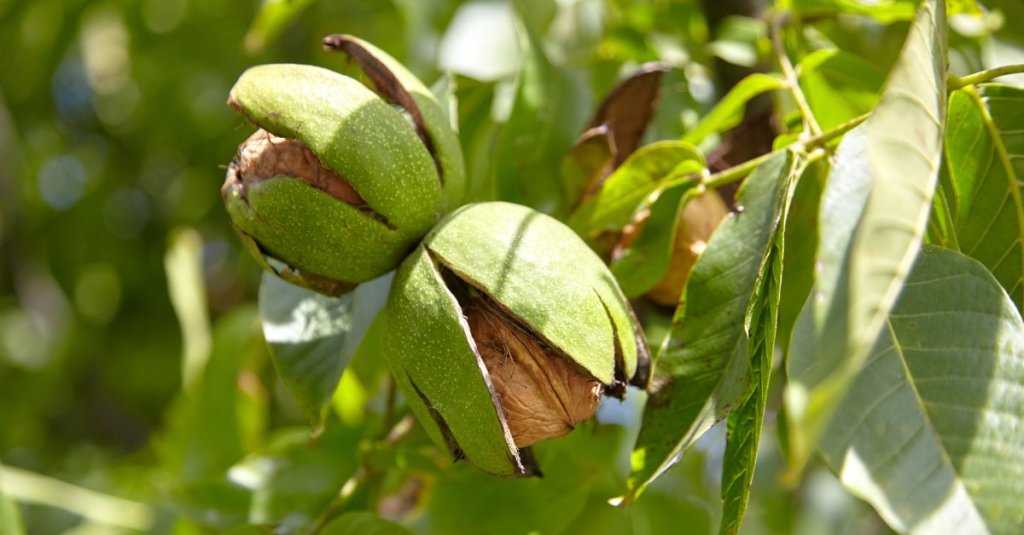
Nut tree farming has seen a surge in popularity over recent years, and it’s no surprise why. With increasing consumer demand for healthy snacks and the versatility of nuts in cooking and baking, these crops have become a lucrative venture for farmers and gardeners alike.
Nut trees are also a sustainable, long-term investment, often bearing fruit for decades once established. So, what are the most profitable nut trees to grow? Let’s break it down ahead.
What Makes a Nut Tree Profitable?
Several factors determine the profitability of nut tree farming. The first and perhaps most important is climate suitability. Nut trees thrive in specific climates, so aligning your choices with your local conditions is essential. For instance, almond trees prefer dry, sunny environments, while hazelnut trees do better in cooler climates with consistent rainfall.
Market demand is another critical factor. It’s no secret that some nuts fetch a higher price than others. Consider almond milk’s exploding popularity or the long-standing reputation of pecans in premium desserts. Your ability to access markets, whether through wholesale distributors, farmers markets, or direct-to-consumer sales, also influences profitability.
Finally, tree maintenance is a consideration. Nut trees require proper care, including regular pruning, adequate fertilization, and protection against pests and diseases. While some varieties are relatively low-maintenance, others demand more time and resources. Earlier planning for these care requirements can set you up for long-term success.
Lucrative Nut Trees To Grow
Almonds
Among the most profitable nut trees to grow are almonds, especially in regions with warm, arid climates like California or parts of Australia. Almonds frequently command a high market value, driven by their use in almond milk, flour, oil, and snacks. They’re particularly well-loved by the health-conscious segment of consumers, making them one of the most in-demand nuts available.
Growing almonds, however, has its challenges. These trees require a substantial water supply, and they also benefit from cross-pollination, which means planting more than one variety and relying on bee populations for effective pollination. Despite these hurdles, the profitability of almonds remains strong, making them a worthwhile investment for farmers well-equipped to meet their needs.
Walnuts
Walnuts are another popular choice for commercial nut production. Known for their rich, buttery flavor and health benefits, walnuts maintain steady demand in culinary and snack markets. They have a wide range of applications, from being used in baking to being made into oil.
Walnut trees thrive in temperate climates and require sunny conditions to flourish. That said, most walnut trees are quite adaptable, making them a profitable, productive solution for various climates. Unlike almonds, they’re more tolerant of variations in water availability, especially after the first year, but they still need sufficient irrigation during dry spells.
While they do take several years to mature and begin producing nuts, walnut trees can remain productive for decades, offering a long-term source of income.

Pecans
If you’re growing in a warmer region, pecans are a fantastic option for nut farming. These trees are native to North America, making them well-suited to climates in the Southern United States and similar areas. Pecans are highly valued for their rich flavor and versatility, used in everything from pies to pralines.
Pecan trees require deep, fertile soil and regular watering to grow successfully. They’re relatively low-maintenance once established, though they do take considerable time to mature, often up to 10 years before producing a significant crop. However, the patience pays off, as mature pecan trees can yield an impressive amount of nuts annually and continue producing for decades.
Hazelnuts
Hazelnuts are having a moment in the spotlight, thanks to their prominent role in products like Nutella and hazelnut coffee creamers. Their rich, earthy flavor also makes them a favorite in gourmet recipes. These factors, combined with increasing awareness of their health benefits, have skyrocketed their demand in recent years.
Hazelnut trees are commonly referred to as filbert trees. They thrive in cooler climates with mild summers and consistent rainfall, making them an excellent choice for growers in the Pacific Northwest and similar regions. With proper care and maintenance, hazelnuts can be a very profitable crop, particularly as demand continues to grow.
How To Care for Nut Trees for Maximum Yield
A major part of identifying the most profitable nut trees to grow is knowing which you can properly care for. Neglecting to care for a nut tree can quickly result in dead plants and lost profits. Don’t worry; nut tree upkeep is relatively straightforward, but it will differ among nut varieties.
Good maintenance practices are key to keeping your nut trees healthy and productive. Plant your trees in well-drained soil with the appropriate pH level for your chosen variety. Fertilize during the early growing season to provide nutrients that boost growth and productivity.

Pruning shapes young trees and allows sunlight to reach all parts of the tree canopy. It also improves airflow, reducing the risk of fungal diseases. Regular inspections will help you spot and address pest infestations or signs of disease early, saving time and money in the long run.
Irrigation is another critical component, especially during dry seasons or for water-intensive trees, such as almonds and pecans. A steady water supply ensures the development of high-quality nuts. Additionally, mulching around the base of each tree helps retain soil moisture and regulate temperature.
Harvesting and Selling Your Nut Crop
Once your trees are mature and productive, harvesting becomes the next crucial phase. Timing is everything when it comes to collecting nuts. For many varieties, the ideal time to harvest is when the outer hulls begin to crack and the nuts fall naturally. Some farmers use mechanical shakers to speed up the process for larger orchards.
After harvesting, proper storage will preserve nut quality. Dry out most nuts to reduce moisture levels and prevent mold. Marketing your crop effectively is just as important.
Consider your target market and distribution channels, such as selling directly to consumers at farmers markets or partnering with local businesses. Highlighting the freshness and quality of your nuts can give you a competitive edge.
Nut Tree Farming Done Right
At Ty Ty Nursery, you can find a vast variety of nut trees for sale, including filberts, almonds, walnuts, and pecans. Nut tree farming offers a unique combination of profitability and sustainability, making it an attractive option for many growers. However, it requires careful planning, the right conditions, and ongoing maintenance to succeed.
By understanding the specific requirements of each nut tree and aligning them with your climate and market opportunities, you can set yourself up for a successful and rewarding venture. Use these tips to start growing nut trees today. With patience and dedication, your investment can yield returns for decades to come.

 Ty Ty Plant Nursery's Blog
Leave a comment