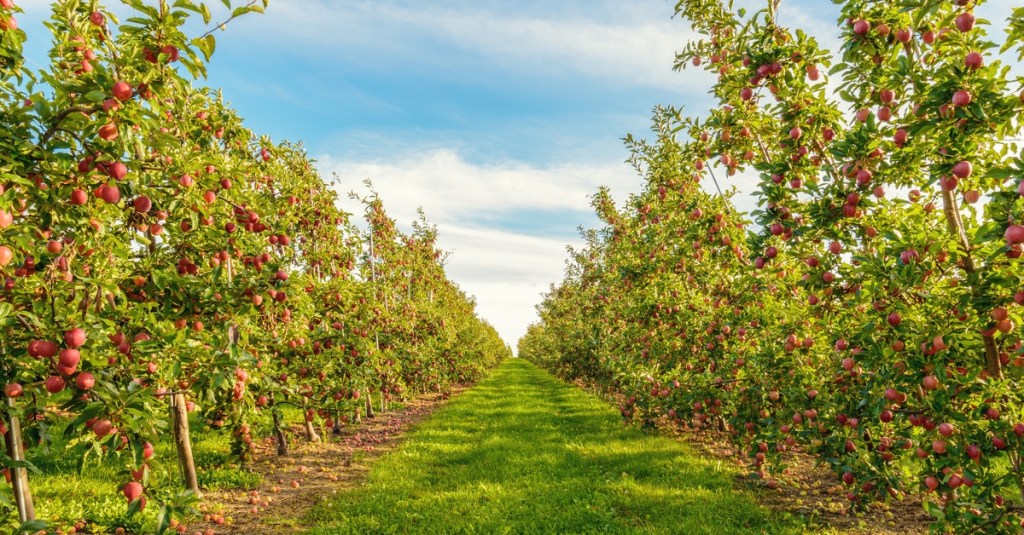
Fruit trees are some of the best things you can grow. Not only are they beautiful, but they also yield delicious produce! However, caring for them isn’t as simple as planting and waiting for fruit. Care requirements vary by tree, but one thing remains true across all species: proper spacing is important.
Without the right amount of space, your fruit trees may struggle with limited sunlight, improper airflow, and soil nutrient competition. If you’re planning to grow your own fruit trees, this guide will explain everything you need to know about spacing. We’ll cover why spacing matters, factors that determine spacing requirements, specific recommendations for different tree types, and several additional tips.
Why Spacing Matters for Fruit Trees
First, let’s explore some of the key benefits of proper spacing.
1. Healthy Growth
Fruit trees need plenty of sunlight and airflow to encourage and support photosynthesis, overall growth, and healthy, tasty fruit. Cramped spacing can lead to overlapping canopies that cut off access to these essentials.
2. Disease Prevention
Good airflow is critical for preventing moisture buildup, which can lead to fungal infections or pest infestations. Proper spacing reduces conditions that are favorable for fungal diseases like powdery mildew or fire blight.
3. Efficient Harvesting
Space allows for easy access to trees, which is good news for you as the grower. It makes pruning, spraying, and harvesting easier and safer. By not overcrowding, you’ll save time and effort in maintaining your trees.
4. Minimal Nutrient Competition
Trees planted too close together will compete for nutrients and water, which could result in stunted growth and reduced fruit yields. By spacing your fruit trees appropriately, you provide the foundation for a healthy, productive orchard or garden.
Factors That Influence Fruit Tree Spacing

Spacing requirements vary from tree to tree. Below, we take a look at the main factors affecting how far apart your trees should be.
1. Tree Type and Variety
Different types of fruit trees—such as apple, peach, or citrus—have varying spacing needs. We will explore these differences more below. However, even within the same variety, dwarf, semi-dwarf, and standard-sized trees have different spacing requirements.
- Dwarf trees: These are compact and suitable for smaller areas, which also means they tend to require less spacing.
- Semi-dwarf trees: These medium-sized trees need more space than dwarf varieties.
- Standard trees: Large trees generally need the most space to thrive.
2. Rootstock
The rootstock onto which a fruit tree is grafted can impact its growth size and spacing needs. Rootstocks influence a tree’s vigor, with some causing trees to grow smaller than others.
For example, an apple tree grafted onto a dwarfing rootstock like M9 will require significantly less space than one grown on a vigorous rootstock like MM111.
3. Pollination Needs
Some fruit trees, like apples or pears, require cross-pollination with another tree of the same or compatible species. These trees need to be close enough for pollinators like bees to easily travel between blossoms (typically no more than 50 feet apart).
4. Planting Area Size
Your available planting space will also influence how you arrange your fruit trees. If your growing area features limited square footage, opt for dwarf varieties or espalier training methods (more on this below) that require less room.
5. Climate Considerations
Warm climates tend to encourage faster growth and larger canopies, so trees in this environment may need more room. Conversely, in temperate regions with slower growth rates, slightly tighter spacing may be acceptable.
Recommended Spacing Distances by Tree Type
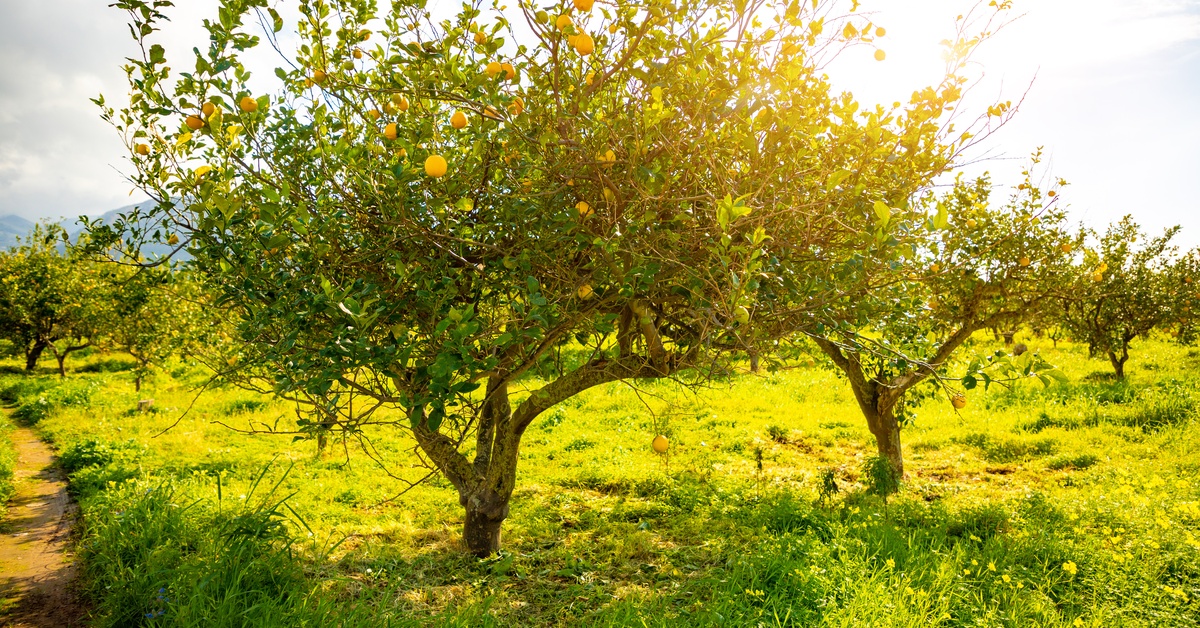
Though we can’t provide a comprehensive list of all fruit trees and their spacing requirements, here’s a quick look at the guidelines for some popular species:
- Apple trees: 10–25 feet apart
- Pear trees: 15–20 feet apart
- Peach trees: 10–20 feet apart
- Cheery trees: 10–40 feet apart (sweet cherries need the most room)
- Citrus trees: 10–20 feet apart
- Plum trees: 10–25 feet apart
Keep in mind that these ranges account for all types of the listed tree, from dwarf to standard. Generally, you can tell that most fruit trees need at least 10 feet between them for their dwarf varieties and about 15–25 feet for their standard varieties. Always make sure to research your specific tree’s needs before committing to a placement.
Special Planting Considerations
You can use certain planting methods to encourage healthy fruit tree growth without adhering exactly to the above spacing guidelines.
Espalier Training for Tight Spaces
If you’ve got limited space but still want to grow fruit trees, consider using the espalier method. This involves training fruit trees to grow flat against a wall or trellis, requiring as little as 3–5 feet between trees.
High-Density Planting
With proper pruning and training, some growers use high-density planting systems, where trees are planted closer together than recommended. Though this method can maximize yield per square foot, it demands expert attention to pruning and disease management.
Companion Planting
Planting ground covers like clover or low-growing herbs like thyme beneath fruit trees can improve soil fertility and deter pests. However, avoid planting trees too close to vigorous shrubs or other trees, as their roots will compete for nutrients.
How To Plan Your Orchard Layout
When setting up your orchard or garden with spacing needs in mind, follow these steps for success.
Step 1: Measure Your Space
Determine the available planting area in square footage and identify obstacles (like buildings, fences, or existing plants) that restrict that area.
Step 2: Research Suitable Trees
Figure out which varieties you can plant based on your available space, your climate, and—of course—what kind of fruit you want!
Step 3: Buy Your Trees
Once you know which varieties you want to plant, browse Ty Ty Nursery! We let you buy fruit trees online and get them delivered in excellent condition right to your doorstep. We have everything from apples to goji berries, so you won’t miss out on your favorite fruit.
Step 4: Sketch Locational Layout
After you receive your trees, use a simple sketch to mark where each one will go in a way that ensures optimal spacing and accessibility.
Step 5: Prep Your Soil
Unless your soil is already perfect, now is the time to amend it with compost or organic matter. You might also need to adjust the pH using sulfur or lime. These amendments are to help your fruit trees thrive with plenty of nutrients and good drainage.
Step 6: Plant and Stake Trees
The last step is planting! Follow planting guides specific to your tree type, and stake young trees to give them support. Voilà—you’ve just planned and planted a beautiful and soon-to-be delicious selection of fruit trees.

 Ty Ty Plant Nursery's Blog
Leave a comment