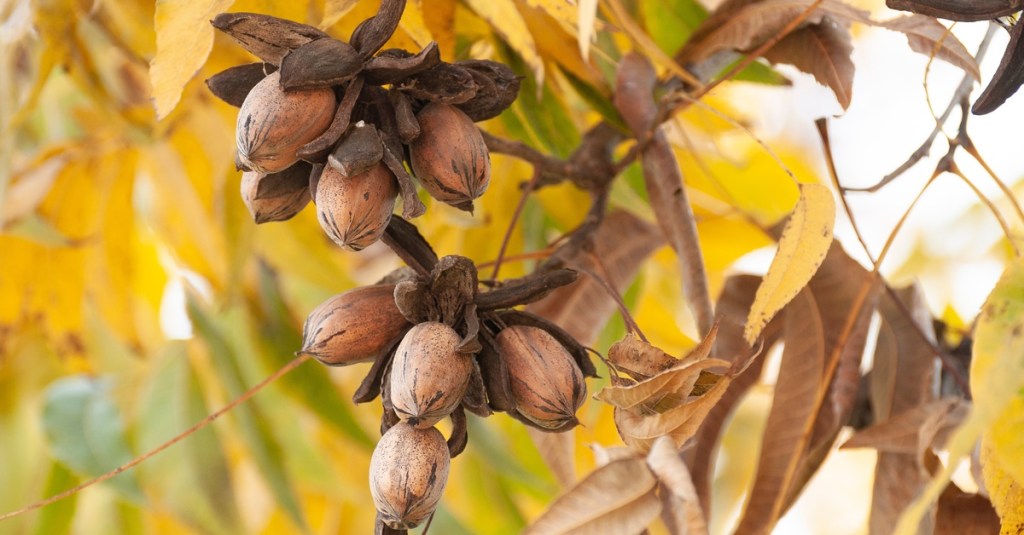
Pecan trees are among the most rewarding additions to any landscape, offering decades of delicious nuts and beautiful shade.
Growing healthy pecan trees requires patience, planning, and proper technique. The difference between a thriving pecan grove and a struggling one often comes down to avoiding common pitfalls that trip up both beginners and experienced gardeners alike.
Check out these critical mistakes to avoid when planting and growing pecan trees so you can set yourself up for success right now.
#1 Choosing the Wrong Variety for Your Climate
One of the most devastating mistakes pecan growers make is selecting varieties that aren’t suited to their specific climate and growing conditions. Pecan trees are particular about their environment, and choosing the wrong variety can mean the difference between abundant harvests and empty shells.
Failing to match the pecan tree variety to your local climate can lead to stunted growth, poor nut production, and susceptibility to disease.
Additionally, consider the chill hours required by the variety, as some pecan trees need a certain amount of cold weather to produce a good harvest.
Avoid the temptation to plant pecan varieties solely based on nut size or flavor without considering their environmental needs. Taking the time to evaluate your local conditions and choose an appropriate variety will significantly increase your chances of cultivating healthy trees and achieving a bountiful harvest.
#2 Poor Planting Techniques and Site Selection
The foundation of a healthy pecan tree starts with proper planting. Unfortunately, many growers rush this crucial step, leading to years of poor performance or tree death.
Pecan trees need full sun (at least six to eight hours every day) and well-draining soil. Avoid low-lying areas where water can easily pool, as pecan roots are susceptible to rot in waterlogged conditions. Additionally, ensure adequate space—mature pecan trees shouldn’t compete with buildings or other large trees, so keep spacing about 40-50 feet apart.
Many people dig holes that are too deep or too narrow. The planting hole should be twice as wide and deep as the root ball for healthy growth. Planting too deep suffocates roots and can kill the tree within a few years.
You must also handle bare-root trees carefully, keeping roots moist and untangled.
#3 Incorrect Watering and Fertilization Practices
Some of the biggest mistakes you must avoid when planting and growing pecan trees can occur during your watering or fertilization phases.
Proper nutrition and watering are essential for pecan tree health, but many growers either overdo it or neglect these vital needs entirely.
While pecan trees need consistent moisture, overwatering is just as dangerous as drought. Young trees should receive deep, infrequent watering rather than frequent shallow irrigation.

Many growers fertilize too early in spring or too late in fall. The best time to fertilize pecan trees is just before bud break in early spring. Late-season fertilization can stimulate new growth that won’t harden off before winter, making trees vulnerable to cold damage.
Pecan trees have high zinc requirements, and deficiency symptoms (small, clustered leaves and poor nut development) may be easily mistaken for other problems. This is why you should always include zinc in your soil fertilization program.
#4 Neglecting Pest and Disease Management
Browsing the many high-quality pecan trees for sale will give you an idea of the delicious and diverse options you can plant in your garden right now. No matter what type of tree you choose, there is one common problem you must look out for; pests.
Pecan trees face numerous pest and disease challenges that can devastate crops if you do not address them.
Prevention and early intervention are far more effective than reactive treatments. Pecan scab is the most serious fungal disease affecting pecans, particularly in humid climates.
This disease causes black spots on leaves and nuts, leading to poor kernel development. Preventive fungicide applications starting at bud break are essential in scab-prone areas.
Pecan aphids can quickly build to damaging levels, causing yellowing leaves and honeydew production that supports sooty mold growth. Monitor trees regularly and treat when aphid populations exceed threshold levels.
Another pest you will have to spray for is the pecan nut casebearer, which is incredibly devastating to these plants. Pecan nut casebearers attack young nuts in late spring, boring into developing pecans and causing them to drop. Don’t neglect pest control; it will help you maintain a stunning, thriving grove at home.
#5 Improper Pruning and Training Techniques
Correct pruning shapes young trees for optimal production and maintains mature trees for continued health and harvest accessibility.
Many new growers prune too aggressively, removing more than 25% of the canopy in a single year. This stresses trees and delays nut production. Focus on removing only dead, damaged, or crossing branches on young trees.
Pecan trees naturally want to develop multiple trunks, but training to a single central leader creates stronger, more productive trees. Remove competing leaders early, ideally during the dormant season.
Avoid pruning during active growth periods or when trees are under stress. The best time for major pruning is during dormancy (late fall through early spring), though you can perform light pruning throughout the growing season.

#6 Premature or Improper Harvesting
Harvesting pecans at the right time and using proper techniques ensures maximum nut quality and storage life.
Pecans continue developing inside the husk until a natural shuck split occurs. Harvesting before this stage results in poorly filled, low-quality nuts. Wait until at least 75% of nuts have naturally opened on the tree.
Once pecans fall, collect them promptly. Nuts left on the ground for more than a few days are prone to rancidity, insect damage, and mold development. Ideally, gather nuts daily during peak harvest.
Fresh pecans have high moisture content and must be dried properly for storage. Store these nuts in airtight containers in cool, dry conditions. Improperly stored pecans quickly become rancid or moldy.
Setting Up Your Garden for Success
Growing pecan trees successfully requires attention to detail and patience, but avoiding these common mistakes will set you on the path to decades of delicious harvests.
Start by choosing the right variety for your climate and location. Take time to plant correctly, provide appropriate care throughout the growing season, and maintain vigilance against pests and diseases.
With proper planning and care, your pecan trees will reward you with nuts for generations.
Many successful pecan operations started with careful planning and a commitment to learning from both successes and mistakes.
Your future pecan harvests depend on the care you provide today. Take the time to do it right, and you’ll enjoy the sweet rewards.

 Ty Ty Plant Nursery's Blog
Leave a comment