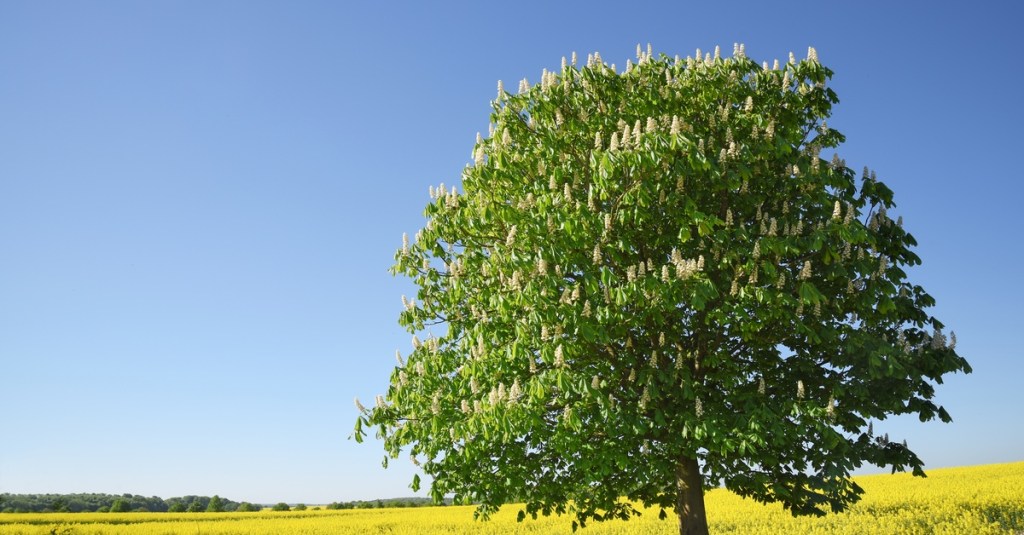
Planting trees is one of the most beneficial and rewarding activities a homeowner can undertake. Among the wide variety of trees you could plant, chestnut trees stand out as an excellent choice for their unique charm, ecological benefits, and versatility.
Whether you’re looking to enhance your outdoor space’s aesthetic appeal, contribute to the environment, or cultivate a practical, sustainable food source, you’ll find that chestnut trees offer it all. Ahead, discover the many benefits of planting chestnut trees in your yard.
A Nutritious and Versatile Food Source
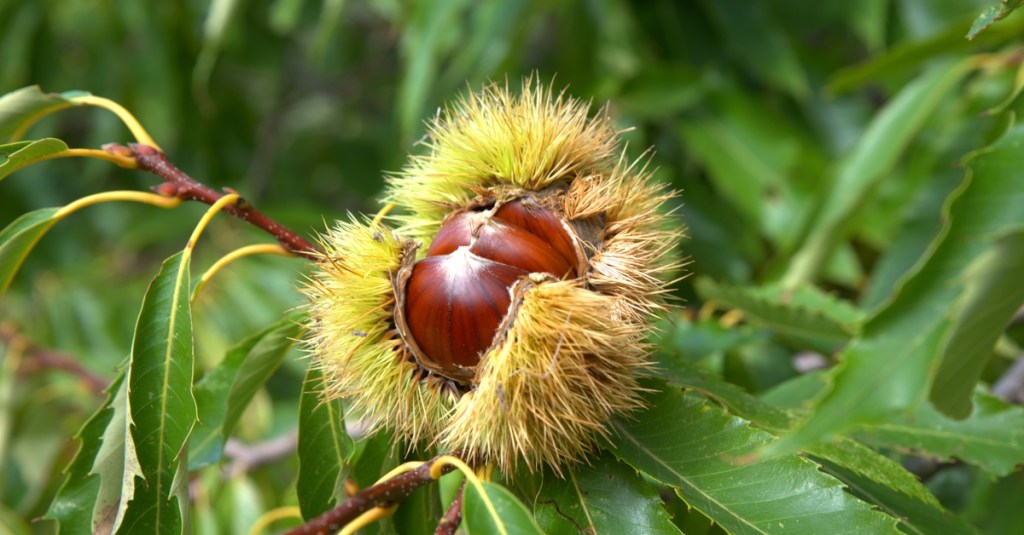
Chestnuts are a highly nutritious and versatile addition to any diet; unlike other tree nuts, chestnuts are low in fat but high in carbohydrates, fiber, vitamins, and minerals. They’re also naturally gluten-free, making them an excellent option for those with gluten sensitivities.
Chestnuts can be roasted, ground into flour for baking, or added to soups and stews. By planting chestnut trees in your yard, you’ll have access to a fresh, abundant supply of these healthy nuts with minimal effort. Harvesting chestnuts from your own tree is also a cost-effective way to enjoy a premium food item that’s often expensive in stores.
Support Local Wildlife and Biodiversity
Chestnut trees support local ecosystems. Their blossoms attract pollinators such as bees and butterflies, making your backyard a haven for these essential species. Chestnuts also provide a food source for various wildlife, including squirrels, deer, and birds. By planting chestnut trees, you can contribute to preserving biodiversity and creating a balanced environment where plants, animals, and insects can thrive together.
Improve Soil Health
Chestnut trees are a smart choice for improved soil quality in your backyard. These trees release organic matter into the soil as their leaves and nuts decompose, enriching it with essential nutrients.
In addition, chestnut trees help prevent soil erosion with their extensive root systems, which stabilize the ground. Over time, the improved soil conditions will benefit the health of other plants in your garden, creating a fertile and thriving environment.
Carbon Sequestration and Environmental Benefits
Planting chestnut trees is a proactive way to fight climate change and reduce your carbon footprint. Like all trees, chestnut trees act as natural carbon sinks by absorbing carbon dioxide from the atmosphere during photosynthesis.
However, chestnut trees are particularly efficient at carbon sequestration due to their rapid growth rate and long lifespan. By planting them in your backyard, you’re contributing to cleaner air and a healthier planet for future generations.
A Beautiful Aesthetic Addition
Chestnut trees are more than functional; they’re incredibly beautiful too. They add charm and character to any outdoor space with their lush foliage, fragrant blossoms, and wide canopies.
During the spring, their creamy white or yellow flowers create a stunning display, while their green leaves provide shade and tranquility throughout the summer. During autumn, chestnut trees add a splash of warm colors, making your backyard the perfect spot to relax and enjoy the natural beauty of the season.
Shade and Cooling Effects
One of the practical benefits of planting chestnut trees in your backyard is the shade they provide. Their large, expansive crowns are perfect for creating a cool, comfortable spot to escape the summer heat.
By strategically planting chestnut trees near your home, you can reduce the need for air-conditioning on hot days, potentially lowering your energy bills. The natural cooling effects of these trees make your outdoor space more enjoyable in warm weather.
Low Maintenance and Longevity
Chestnut trees are relatively easy to care for, making them an excellent choice for busy homeowners. They’re drought-resistant once established, require minimal pruning, and are resilient to many common pests and diseases.
These hardy trees can adapt to various soil types, provided they’re well-drained, and they thrive in full sunlight. With proper care, chestnut trees can live for several decades, even up to a century, so future generations will continue to enjoy their benefits.
Economic Value
Chestnuts have great economic potential, particularly if you grow more than one tree in your backyard. The nuts are highly sought-after in global markets, especially during the holiday season. Selling fresh chestnuts locally or processing them into flour or other products can generate an additional source of income.
Chestnut wood is another valuable product, known for its durability and attractiveness. It can be used for building furniture, fencing, and other purposes, offering yet another opportunity to maximize the economic benefits of these trees.
Promote Tradition and Heritage
Chestnut trees hold a prominent place in cultural and historical traditions. For centuries, they’ve been cultivated for their nuts and wood, becoming a staple food and resource in various regions.
By planting a chestnut tree in your backyard, you preserve a piece of this rich heritage and encourage future generations to understand and appreciate the cultural significance of these remarkable trees.
Educational Opportunities for Families
If you have children or simply enjoy nature, planting chestnut trees can be a great educational experience. From learning about the life cycle of trees to witnessing the importance of pollinators, chestnut trees offer countless opportunities to teach valuable lessons about the environment and sustainability.
Hands-on activities like harvesting chestnuts, observing wildlife, or even experimenting with recipes using freshly collected nuts create meaningful moments that foster a deeper connection to nature.
Choosing and Planting Your Chestnut Trees
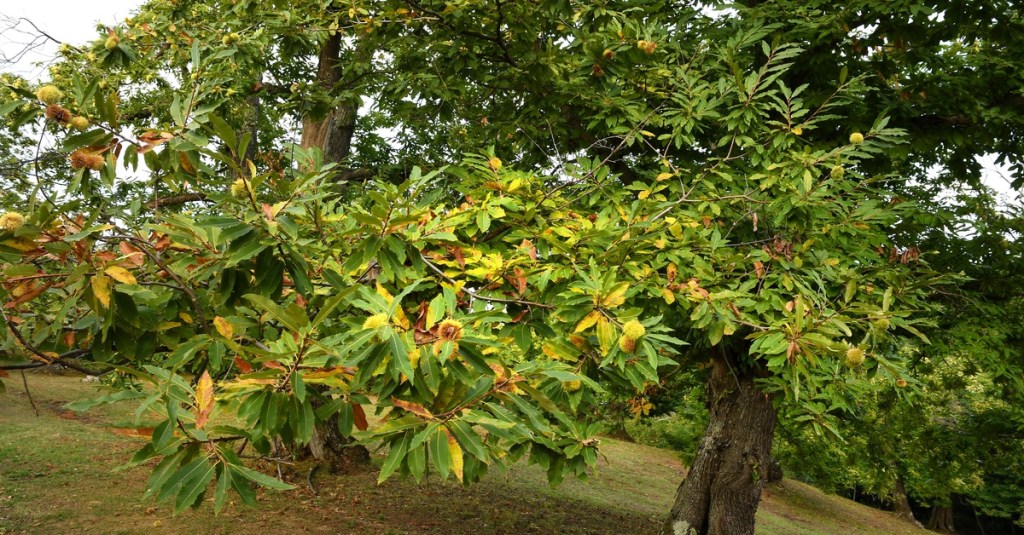
Before planting chestnut trees, research the varieties that suit your climate and soil type. American chestnut trees, once a dominant species in North America, were decimated by chestnut blight in the 20th century, but blight-resistant hybrids are now available. These varieties combine the resilience of Chinese or Japanese chestnuts with the iconic traits of American chestnuts, providing a viable option for modern gardeners.
Plant your chestnut tree in a sunny location with well-drained soil. Plant at least two trees for proper cross-pollination and abundant nut production. With a little patience and care, your chestnut trees will reward you with years of beauty, shade, and bountiful harvests.
Enhance Your Property With Chestnut Trees
Planting chestnut trees in your backyard is more than just a landscaping decision; it’s an investment in sustainability, biodiversity, and the long-term value of your outdoor space. From their delicious nuts and environmental contributions to their role in enhancing backyard aesthetics, the benefits of chestnut trees are countless for homeowners.
Take the first step toward a greener, more sustainable future by planting these remarkable trees today. If you’re unsure where to start, we can give you the perfect jumping-off point. At The Nursery at Ty Ty, you can buy chestnut trees online and get your project started with no hassle.

 Ty Ty Plant Nursery's Blog
Leave a comment