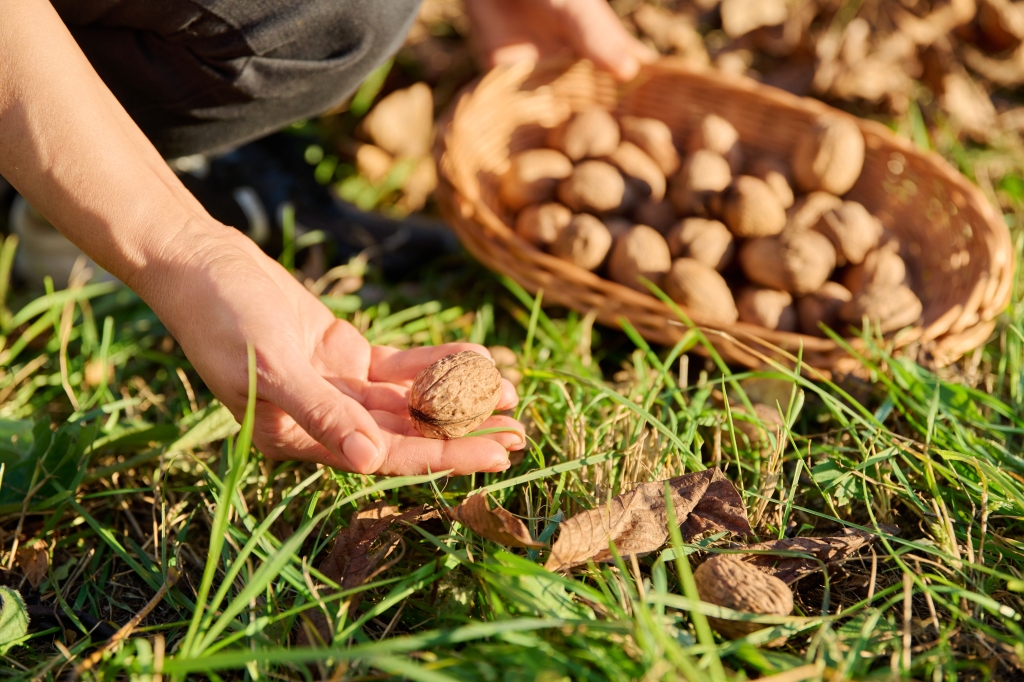
Walnut trees are impressive, long-living giants that offer valuable shade, stunning fall foliage, and—of course—delicious nuts. But before your tree grows tall and productive, it needs the right care in its early days, especially during its first summer. Heat, drought, and transplant shock can all set back progress if not addressed early.
Here are five essential things you should be doing this summer to help your young walnut tree root deeply, grow steadily, and avoid seasonal stress.
1. 💧 Prioritize Deep, Infrequent Watering
Walnut trees develop deep root systems—but those roots need time to get established:
- Give the tree a slow, deep soak once or twice a week, depending on rainfall
- Allow the top couple of inches of soil to dry out before watering again
- Avoid frequent shallow watering, which encourages weak surface roots
💡 Use Soil Moist Transplant Crystals at planting time to help retain moisture around the root zone and reduce stress in between waterings.
2. 🍂 Mulch Makes a Big Difference
Mulching isn’t just about looks—it’s a performance booster for newly planted trees:
- Spread 2–4 inches of mulch (shredded bark, pine straw, or composted leaves)
- Keep mulch several inches away from the trunk to avoid rot
- Mulch helps maintain moisture levels and soil temperature and blocks weed growth
🌱 A well-mulched walnut is a happier, faster-growing walnut.
3. ☀️ Shield Young Trees From Extreme Heat
Walnuts enjoy full sun, but newly planted trees can be sensitive in their first summer:
- During heatwaves (90°F+), provide temporary shade cloth or use nearby plantings for dappled protection
- Container-grown walnuts can be moved to a partially shaded spot during peak heat
- Wilting or scorched leaves are signs your tree may be overheating
🛡️ Protecting young trees now sets them up for stronger sun tolerance later.
4. 🐛 Keep an Eye Out for Insect Activity and Leaf Issues
Stressed trees are more vulnerable to pests and disease:
- Check leaves weekly for signs of aphids, walnut caterpillars, or blight
- Prune off damaged or diseased leaves and dispose of them
- Use organic treatments only if needed—don’t overdo it
🔍 A five-minute inspection once a week can prevent major setbacks.
5. 🚫 Avoid Fertilizer Until the Tree Is Settled
Feeding your tree too soon can actually hinder its progress:
- Skip the fertilizer during midsummer
- If you didn’t fertilize at planting, hold off until early fall
- Let the tree focus on root strength, not rapid growth
🌿 Less is more during the first hot summer.
🛒 Where’s the Best Place to Buy Bare Root Walnut Trees?
Start with the right tree from the right nursery, and you’re already halfway to success.
That’s why gardeners across the U.S. choose Ty Ty Plant Nursery, LLC:
✅ Affordable pricing on high-quality bare root walnut trees
✅ Fast shipping so your trees arrive healthy and ready to plant
✅ Non-GMO, zone-matched varieties
✅ Free 1-Year Plantsurance™ Guarantee — store credit if your plant doesn’t survive 🛡️
At Ty Ty, we believe in zero stress, all success.
🌟 Final Thoughts
Walnut trees are tough, but their first summer is a defining time. By watering deeply, mulching wisely, protecting from heat, and watching for pests, you’ll help your tree put down roots that will support it for decades to come.
Ready to plant yours? Order now from Ty Ty Plant Nursery, LLC and grow with confidence.

 Ty Ty Plant Nursery's Blog
Leave a comment