
Bamboo is an exciting and eye-catching addition to any home garden. Whether you’re seeking an eco-friendly addition to your landscape or dreaming of harvesting your own bamboo for crafts and construction, cultivating this extraordinary plant opens doors to endless possibilities.
Many gardeners hesitate to grow bamboo due to concerns about aggressive spreading.
With the right knowledge and preparation, you can enjoy all the benefits of bamboo while maintaining complete control over its growth patterns. Check our ultimate guide to growing your own bamboo if you’re ready to transform your garden right now.
Selecting the Perfect Bamboo Variety
The key to successful bamboo growing lies in choosing the right species for your specific climate and intended use.
Bamboo falls into two main categories: clumping bamboo and running bamboo, each offering distinct advantages for different garden situations.
Clumping bamboo grows in tight clusters, expanding slowly outward from the original planting site. This type works beautifully for privacy screens, decorative focal points, and smaller gardens where space control matters most.
Running bamboo spreads through underground rhizomes, creating larger groves over time. While this spreading nature requires more management, running bamboo produces higher yields and works exceptionally well for large-scale screening projects.
Considering Climate & Intended Use
Climate considerations play a crucial role in variety selection.
Tropical and subtropical regions support the widest range of bamboo species, including giant timber varieties that can reach heights exceeding sixty feet. Temperate zones require cold-hardy species that can withstand freezing temperatures and seasonal dormancy.
Consider your intended use when making your selection.
Ornamental bamboos offer beautiful foliage colors and unique growth patterns, while timber bamboos provide substantial poles for construction and craft projects. Some varieties produce edible shoots, adding a culinary dimension to your bamboo garden.
These may sound like a lot of details to consider, but thankfully, you can find many quality plants on the market. For example, at Ty Ty Nursery, you’ll find outdoor bamboo plants in clumping and running varieties, with options including weeping willow bamboo, golden goddess bamboo, and many more.
Mastering Bamboo Planting Techniques
Proper planting sets the foundation for healthy bamboo growth throughout the plant’s lifetime. Bamboo thrives in well-draining soil with plenty of organic matter, though most species adapt to various soil types with appropriate amendments.
Soil preparation begins several weeks before planting.
Work compost or aged manure into the planting area to improve soil structure and provide essential nutrients. Bamboo prefers slightly acidic to neutral soil with a pH between 6.0 and 7.0. Test your soil pH and adjust accordingly using sulfur to lower pH or lime to raise it.
Space multiple plants according to their mature size, typically allowing six to ten feet between clumping varieties and considering barrier installation for running types.
Getting the Timing Right
The timing of planting significantly impacts establishment success.

Spring planting allows bamboo to establish strong root systems before winter dormancy, while fall planting works well in milder climates where winter damage isn’t a concern. Avoid planting during extreme weather conditions or when the soil is waterlogged or frozen.
Container bamboo transplants more easily than bare-root specimens, though both options can succeed with proper care.
When transplanting container bamboo, gently tease apart circled roots to encourage outward growth. Bare-root bamboo requires more careful handling and immediate planting to prevent root desiccation.
Optimizing Water and Nutrition Management
Bamboo’s rapid growth demands consistent moisture and adequate nutrition, particularly during the active growing season. Understanding these needs helps ensure robust growth and healthy plant development.
Newly planted bamboo requires regular watering to establish strong root systems.
Keep the soil consistently moist but not waterlogged during the first growing season. Apply water slowly to allow complete soil penetration rather than quick surface applications that may run off.
Established bamboo becomes more drought-tolerant but still benefits from regular moisture during dry periods. Most varieties prefer about one inch of water per week, either from rainfall or supplemental irrigation.
Mulching & Fertilizing
Mulching around bamboo plants helps retain soil moisture while suppressing competing weeds.
Fertilizer requirements vary by species and soil conditions, but bamboo generally responds well to nitrogen-rich fertilizers that support leafy growth. Apply balanced fertilizer in early spring as new growth begins, followed by additional applications during the peak growing season.
Compost, aged manure, and fish emulsion are organic options that provide slow-release nutrition that supports steady growth without burning delicate roots.
Bamboo leaves naturally drop throughout the year, creating a nutrient-rich mulch layer around the base of plants. Allow these leaves to decompose naturally rather than raking them away, as they provide valuable organic matter and help retain soil moisture.
This natural mulching process reduces the need for additional fertilizer applications over time.
Pruning and Ongoing Care Strategies
One of the most important steps in our guide to growing your own bamboo is practicing proper pruning techniques.
Regular maintenance keeps bamboo healthy, attractive, and properly sized for your landscape needs. Pruning techniques vary depending on your goals, whether you’re shaping ornamental bamboo or managing timber varieties for harvest.
Removing old, damaged, or overcrowded canes improves air circulation and directs energy toward new growth.
Cut unwanted canes at ground level using sharp, clean tools to prevent disease transmission.
Controlling Your Grove’s Growth
Height control becomes necessary when bamboo outgrows its intended space. Cut canes to your desired height just above a node, where new branching will occur.
This technique, called topping, encourages bushier growth and prevents bamboo from becoming too tall for your landscape. Some gardeners prefer selective thinning over topping to maintain the natural graceful appearance of bamboo canes.
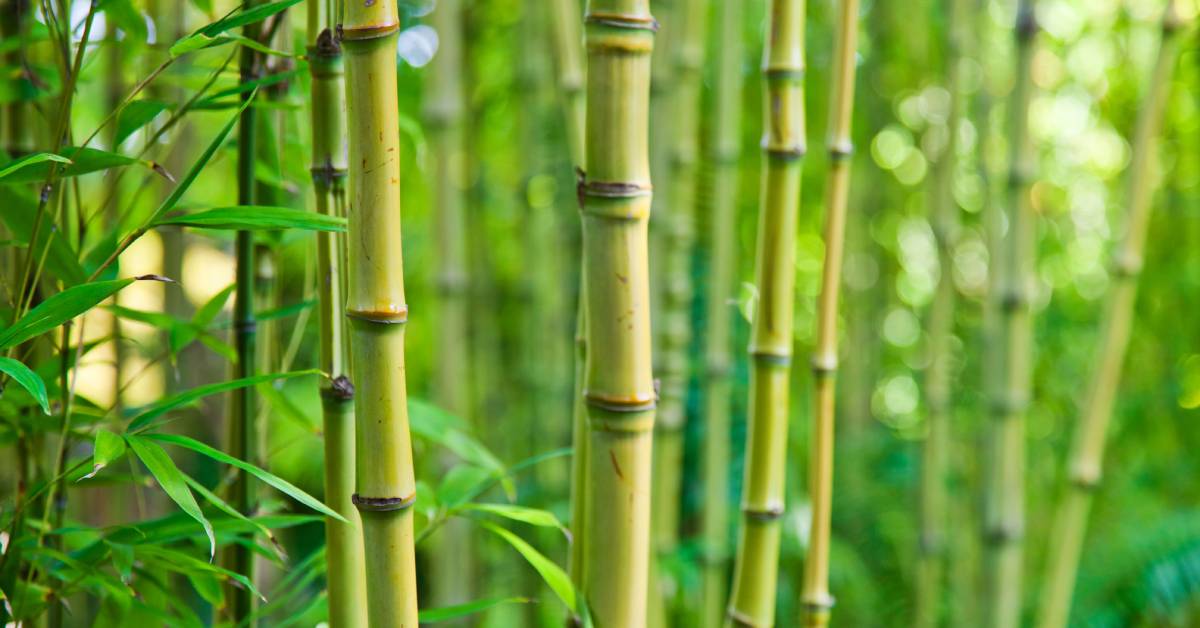
Running bamboo requires additional management to control its spreading habit. Installing root barriers during planting prevents unwanted expansion, while regular rhizome cutting maintains established boundaries.
Preventing and Managing Common Issues
While bamboo is generally pest-resistant and disease-free, certain problems can occur under specific conditions. Understanding these potential issues helps you maintain healthy plants and address problems quickly when they arise.
Aphids occasionally infest new bamboo shoots, particularly during warm, humid weather. These soft-bodied insects cluster on tender growth and can weaken plants if left untreated.
Scale insects present a more persistent problem, appearing as small, brown bumps on bamboo canes and leaves. These insects weaken plants by feeding on plant juices and can be difficult to control once established.
Horticultural oil applications during the dormant season help suffocate overwintering scales, while systemic insecticides may be necessary for severe infestations.
Keeping Your Bamboo Healthy
Fungal diseases rarely affect healthy bamboo but can develop in poorly drained soils or overly humid conditions. Root rot appears as yellowing leaves and stunted growth, frequently resulting from waterlogged soil conditions.
Improve drainage and reduce watering frequency to address root rot problems.
Environmental stress commonly contributes to pest and disease problems. Ensure proper watering, adequate drainage, and appropriate fertilization to maintain plant vigor. Healthy bamboo naturally resists most pest and disease issues, making prevention through good cultural practices your best management strategy.
Embracing Your Bamboo Growing Journey
Growing bamboo rewards gardeners with one of nature’s most versatile and sustainable plants. From privacy screening to craft materials, bamboo offers countless benefits while requiring minimal inputs once established.
The fast growth and renewable nature of bamboo make it an ideal choice for environmentally conscious gardeners seeking both beauty and function in their landscapes.
Take the first step toward creating your own bamboo paradise by selecting appropriate varieties for your climate and intended use. With proper planning, planting, and care, your bamboo garden will thrive and provide invaluable benefits.

 Ty Ty Plant Nursery's Blog
Leave a comment