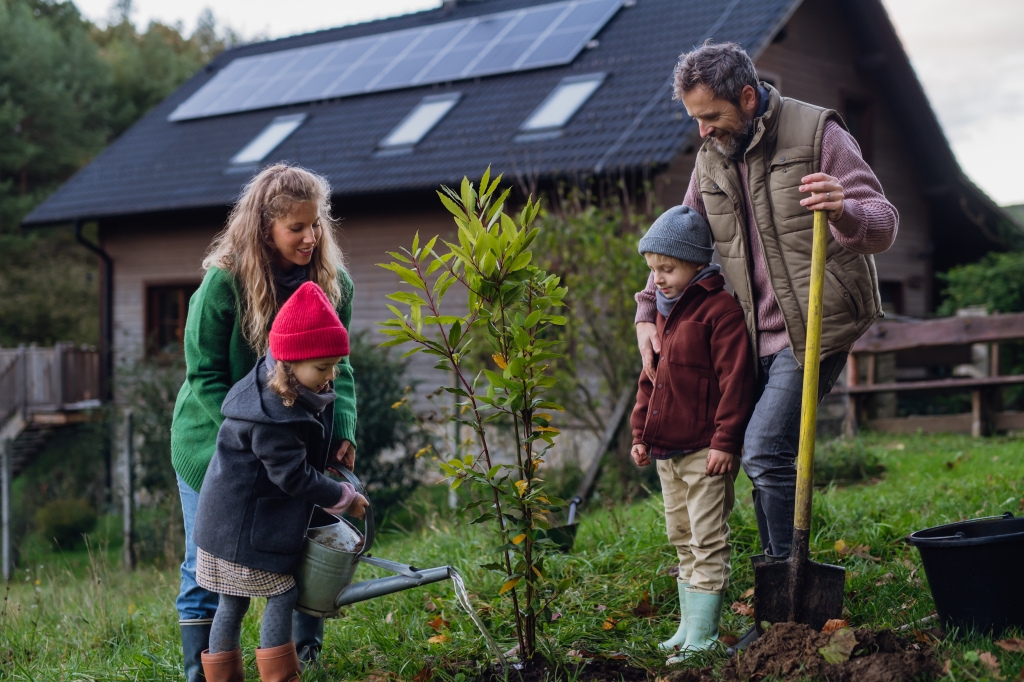
Planting a bare root apple tree in spring is a hopeful, exciting investment. Over its first growing season, your tree has been busy beneath the surface—sending out roots, adapting to its environment, and beginning to establish the structure it will rely on for decades.
By the time fall arrives, your apple tree is shifting its priorities. Instead of producing new leaves and shoots, it’s starting to harden off and prepare for winter dormancy. This is the moment where your care makes the difference between a tree that simply survives the cold and one that enters spring vigorous and ready to grow.
This guide walks you through key fall-season strategies to get your first-year apple tree winter-ready without stressing it, setting you up for long-term orchard success.
Understanding Your Apple Tree’s First Fall
In its first year, your apple tree is focused on root development. By fall, much of the energy from photosynthesis is being redirected to root storage rather than top growth. Knowing this, fall care should focus on:
- Helping roots store energy for spring growth
- Protecting young bark and buds from winter injury
- Creating a stable soil environment that resists freezing damage
- Preventing pests and diseases from overwintering in the orchard
Everything you do this season should support these priorities.
Step 1: Slow the Growth Cycle Naturally
By late summer, it’s important to taper off any growth stimulation so the tree can harden off for winter. This means:
- No late-season fertilizer—especially nitrogen-heavy blends. Fertilizing now can push soft, tender shoots that frost will damage.
- Allowing soil moisture to moderate—keep watering during dry spells, but avoid constantly saturated soil that encourages late growth.
Encouraging dormancy is the single most important biological shift your tree needs to make right now.
Step 2: Maintain Moisture Without Overwatering
Fall brings cooler temperatures and often more rainfall, but don’t assume your young tree’s water needs vanish. If the soil goes bone-dry before winter, the roots can suffer dehydration damage.
Best practice:
- Continue watering during dry stretches until the soil is frozen.
- Water deeply at the root zone, letting the moisture penetrate 8–10 inches.
- Avoid overhead watering in cool weather, which can promote fungal problems.
A well-hydrated root system entering winter is more resilient to freeze-thaw cycles.
Step 3: Protect the Root Zone with Mulch
Mulch in fall serves two main purposes—insulating soil temperature and preventing water loss. It also acts as a physical barrier against weed competition in early spring.
How to do it right:
- Apply 2–4 inches of organic mulch (shredded bark, straw, pine needles, or composted leaves) over the root zone.
- Pull mulch back 3–4 inches from the trunk to avoid trapping moisture against the bark, which can cause rot or attract rodents.
- Refresh any mulch that’s broken down over the summer.
Think of mulch as the tree’s “winter blanket”—keeping roots stable while the top rests.
Step 4: Guard Against Winter Bark Injury
Young apple trees have thin bark that’s vulnerable to sunscald—a condition where warm winter sun thaws bark during the day, followed by nighttime freezing that causes cracking. They’re also prime targets for rodents looking for food under snow cover.
Prevention tips:
- Wrap the trunk in white tree guards or spiral wraps from the base up to the first set of branches.
- Install guards in late fall and remove them in early spring to allow the trunk to breathe.
- Keep grass trimmed around the trunk to reduce hiding spots for voles or mice.
This step alone can save a tree from irreversible trunk damage.
Step 5: Keep the Orchard Floor Clean
Diseases and pests can overwinter in leaf litter and fallen fruit. A clean orchard floor in fall means fewer problems to fight in spring.
Good orchard hygiene includes:
- Raking and disposing of fallen leaves and fruit away from the planting site.
- Removing mummified fruit still hanging on the branches.
- Lightly pruning out any dead or diseased wood (major pruning should wait until late winter).
Clean surroundings reduce fungal spore loads and insect populations before they have a chance to rebound in spring.
Step 6: Final Pre-Winter Check
Before snow or frost arrives, take one last look at your tree:
- Is the stake (if used) still secure but not rubbing the trunk?
- Is the mulch still in place and not piled against the bark?
- Is the trunk protected from pests and sunscald?
- Has all fertilizer and high-nitrogen feeding stopped?
Making these final adjustments ensures your tree enters winter in its best possible condition.
🛒 Where to Buy Bare Root Apple Trees
If you’re planning to expand your orchard next spring, start with the highest quality trees from Ty Ty Plant Nursery, LLC:
✅ Best prices on premium bare root apple trees
✅ Non-GMO, zone-suited varieties
✅ Fast, careful shipping so your trees arrive fresh and ready to plant
✅ Free 1-Year Plantsurance™ Guarantee – store credit if your tree doesn’t survive 🛡️
At Ty Ty, we make orchard planting zero stress and all success.
🌟 Closing Thought
Fall is when your first-year apple tree shifts from growth mode to survival mode. Your job is to help it store energy, protect its vulnerable bark and roots, and prevent problems that could carry over into spring. The reward? A healthier, stronger tree that bursts into life when warm weather returns.
Order your next bare root apple trees from Ty Ty Plant Nursery, LLC and give your orchard the start it deserves.

 Ty Ty Plant Nursery's Blog
Leave a comment