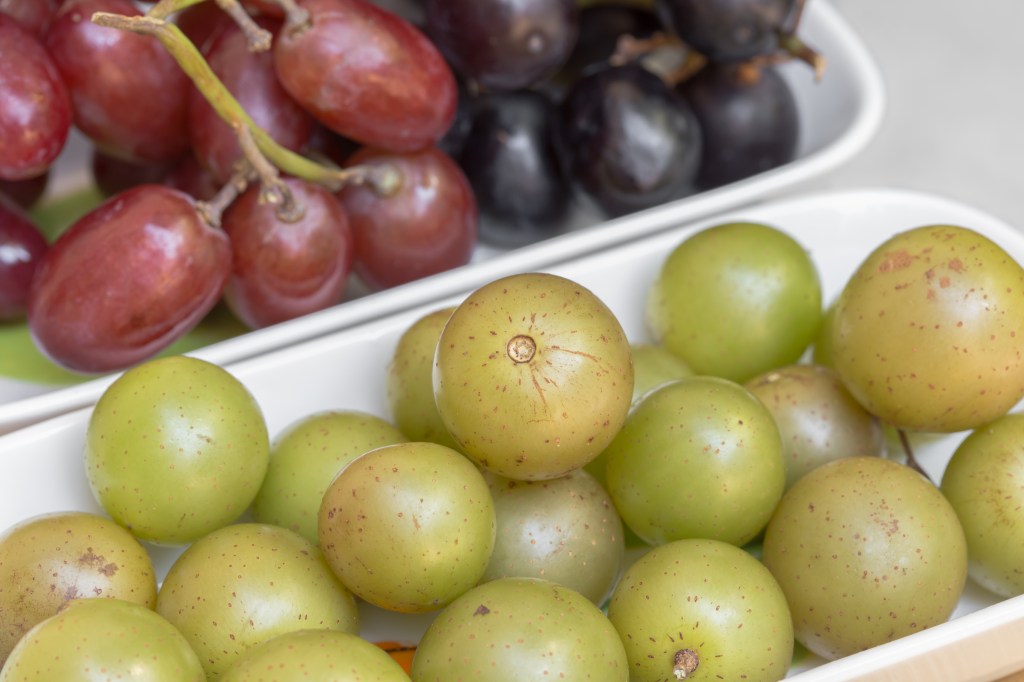
If you planted bare root muscadine or scuppernong vines this spring, you’ve taken the first step toward enjoying one of the South’s most iconic fruits. Known for their thick skins, rich flavor, and resilience to pests and diseases, muscadines and scuppernongs thrive in warm climates. Still, even hardy grape varieties need careful attention in their first year.
By fall, your vines have focused on establishing roots and pushing out new canes. As the growing season ends, the plants begin the natural shift from vigorous growth to dormancy. How you manage this transition will determine how strong, healthy, and productive they’ll be in the years ahead.
Understanding the First-Year Growth Cycle
During the first growing season, muscadine and scuppernong vines aren’t expected to produce fruit. Instead, their energy is invested in root development and initial cane growth. Fall care, therefore, isn’t about harvesting but about preparing the vine’s framework and protecting its developing root system.
As temperatures drop, vines stop pushing out new growth and instead focus on storing carbohydrates in their roots and woody canes. This stored energy is critical, as it fuels the explosion of growth that comes next spring. Your fall preparation should support this natural process, protect the vine from cold injury, and keep pests and diseases at bay.
Water and Feeding Adjustments
By the end of summer, it’s best to stop fertilizing your vines. Any late feeding—especially with nitrogen—can encourage soft, tender shoots that won’t survive frost. Instead, your attention should shift to moisture management.
While muscadines and scuppernongs are naturally drought-tolerant once mature, young vines need consistent moisture until dormancy. Water deeply during dry periods in the fall, ensuring the soil is evenly moist before the ground cools. A hydrated root system going into winter is less likely to suffer from freeze damage.
Mulching for Root Zone Protection
Mulching around your grape vines in the fall provides multiple benefits. Two to three inches of straw, shredded bark, or pine needles placed over the root zone will help stabilize soil temperatures and reduce the stress of freeze-thaw cycles.
Be sure not to pile mulch directly against the vine trunk, as this can encourage rot or rodent activity. Instead, leave a small gap for airflow while still protecting the roots beneath.
Cane Management and Training
Fall is not the season for heavy pruning, but some light cleanup can go a long way. Remove weak, damaged, or diseased canes once the vine has gone dormant, and clear away any debris that could harbor pests. Training vines onto a trellis or wire system during their first year ensures they overwinter in a stable position and are easier to manage in spring.
Major pruning, however, should wait until late winter while the vine is fully dormant. This is when you’ll shape the permanent structure for fruit production.
Protecting Vines from Winter Injury
In most southern climates, muscadine and scuppernong vines can withstand winter without much added protection. However, in areas with occasional hard freezes, young vines may need extra help. Canes can be loosely tied down closer to the ground, where they’re shielded from wind, and then covered with straw or a breathable frost cloth. Protecting the trunk with a light wrap can also guard against sudden temperature swings.
Orchard Floor and Pest Prevention
A clean vineyard floor is a healthy vineyard floor. Collect fallen leaves, berries, and debris from around the vines to minimize overwintering pests and fungal spores. This simple step can dramatically reduce disease pressure in the spring. By keeping the area tidy, you’ll also discourage rodents from taking shelter near young vines.
Final Fall Check
Before winter arrives, take a final walk through your vineyard. Check that mulch is in place, canes are properly secured, and the soil has been watered. Confirm that no fallen fruit or leaves are left to rot at the base of your vines. These small steps now will ensure that your muscadine and scuppernong vines enter dormancy strong and wake up in spring with energy to spare.
🛒 Where to Buy Bare Root Grape Vines
When you’re ready to expand your vineyard, trust Ty Ty Plant Nursery, LLC:
✅ Best prices on bare root muscadine and scuppernong vines
✅ Non-GMO, zone-appropriate varieties for Southern growers
✅ Fast shipping to ensure fresh, planting-ready vines
✅ Free 1-Year Plantsurance™ Guarantee – store credit if your plant doesn’t survive 🛡️
At Ty Ty, planting grape vines is always zero stress and all success.
🌟 Closing Thought
Your muscadine and scuppernong vines are settling into their first dormancy, and the care you provide this fall sets the stage for future harvests. With proper watering, mulching, cane management, and orchard cleanup, you’ll ensure they survive the winter and grow vigorously next spring.
Order your bare root grape vines from Ty Ty Plant Nursery, LLC today and start building a vineyard that will reward you for years.

 Ty Ty Plant Nursery's Blog
Leave a comment