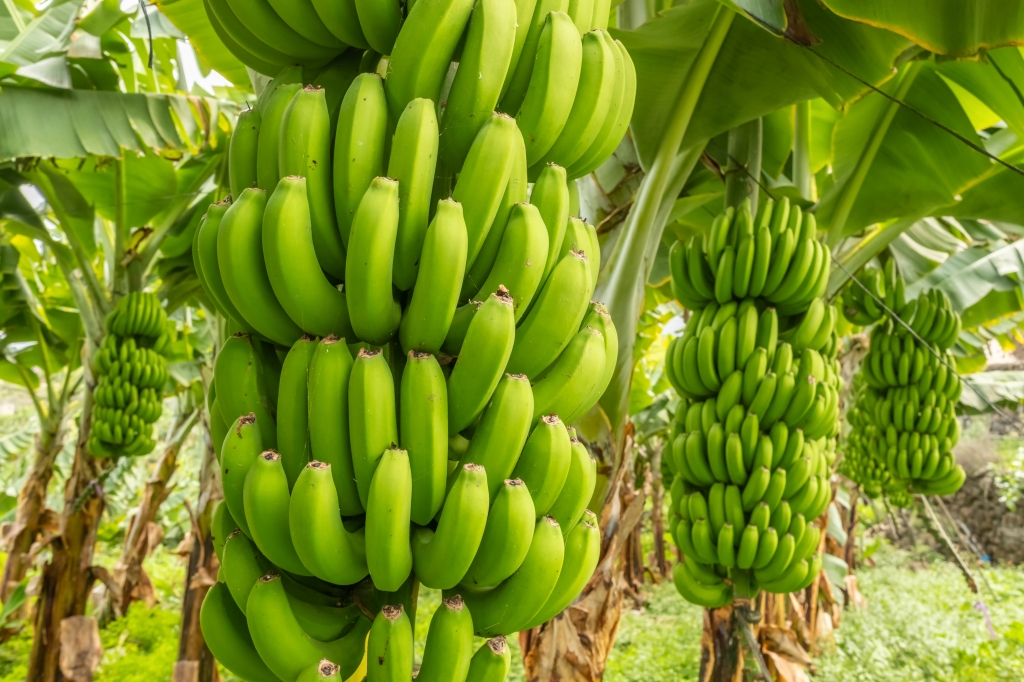
If you planted a banana plant this spring, you’ve likely marveled at its rapid growth. Bananas, with their lush tropical foliage, can transform a backyard into a little oasis in just one season. But while these plants are vigorous growers, they are also highly sensitive to cold. In climates where winters bring frost or freezing temperatures, fall care is crucial to protect your banana and ensure it has the strength to return next year.
How Banana Plants Transition Into Dormancy
Unlike traditional trees, bananas are herbaceous perennials. They don’t go dormant in quite the same way as fruit trees, but they do slow their growth dramatically as days shorten and temperatures drop. Energy begins moving down into the corm (the underground root and stem system), which is the true heart of the plant. Protecting this corm is the key to keeping your banana plant alive through winter.
Adjusting Water and Fertilizer
By fall, you should stop feeding your banana plant. Fertilizers that encourage leafy growth are counterproductive now, as tender new foliage is likely to be damaged by the cold. Instead, focus on moderating water. Continue to provide moisture during dry spells, but reduce frequency as growth slows. Saturated soil in cool weather can lead to root rot, so aim for consistent but not excessive hydration.
Cutting Back and Mulching
Once frost hits, the leaves of your banana plant will likely turn brown and collapse. This is natural. At that point, cut the pseudostem (the trunk-like stalk) back to about 12–18 inches above ground. The corm beneath the soil will survive if it is properly insulated.
Mulch heavily around the base of the plant with 6–12 inches of straw, leaves, or other organic material. This thick covering protects the corm from freezing temperatures and insulates the soil through winter. In colder climates, some gardeners even mound soil or compost over the crown for extra protection.
Providing Shelter in Cold Regions
In areas where winters are especially harsh, additional steps may be needed. Some banana growers dig up the corm after the first frost, store it in a cool, dry place like a basement, and replant in spring. Others construct simple enclosures with stakes and burlap or plastic to shield the plant from icy winds while maintaining mulch insulation at the base.
For container-grown bananas, the solution is easier: move the plant indoors to a bright, frost-free location or into an unheated garage where the soil won’t freeze.
Orchard Floor Clean-Up
Like with any fruiting plant, keeping the area around your banana plant clean in fall is important. Remove decaying leaves, stems, and debris that could harbor pests or fungal spores over the winter. A tidy planting bed helps reduce disease pressure when the plant resumes growth in spring.
A Pre-Winter Checklist
Before the first hard freeze arrives, ensure your banana plant is prepared:
- Fertilizer has been stopped
- Watering has been moderated, not eliminated
- Dead foliage has been cut back
- The base has been mulched generously
- Containers or corms have been relocated if necessary
Taking these steps will allow your banana plant to overwinter successfully and return vigorously once warm weather comes back.
🛒 Where to Buy Banana Plants
When you’re ready to add more tropical flair to your yard, order from Ty Ty Plant Nursery, LLC:
✅ Best prices on premium banana plants and bare root trees
✅ Non-GMO, climate-appropriate selections
✅ Fast shipping so plants arrive fresh and healthy
✅ Free 1-Year Plantsurance™ Guarantee – store credit if your plant doesn’t survive 🛡️
At Ty Ty, every planting is zero stress and all success.
🌟 Closing Thought
Banana plants bring beauty, shade, and even fruit in the right climates, but their first fall and winter are critical. By cutting back, mulching, moderating water, and protecting the corm, you’ll ensure your plant survives the cold months and bursts back with lush new leaves next spring.
Order your banana plants and bare root fruit trees from Ty Ty Plant Nursery, LLC today and bring the tropics to your backyard.

 Ty Ty Plant Nursery's Blog
Leave a comment