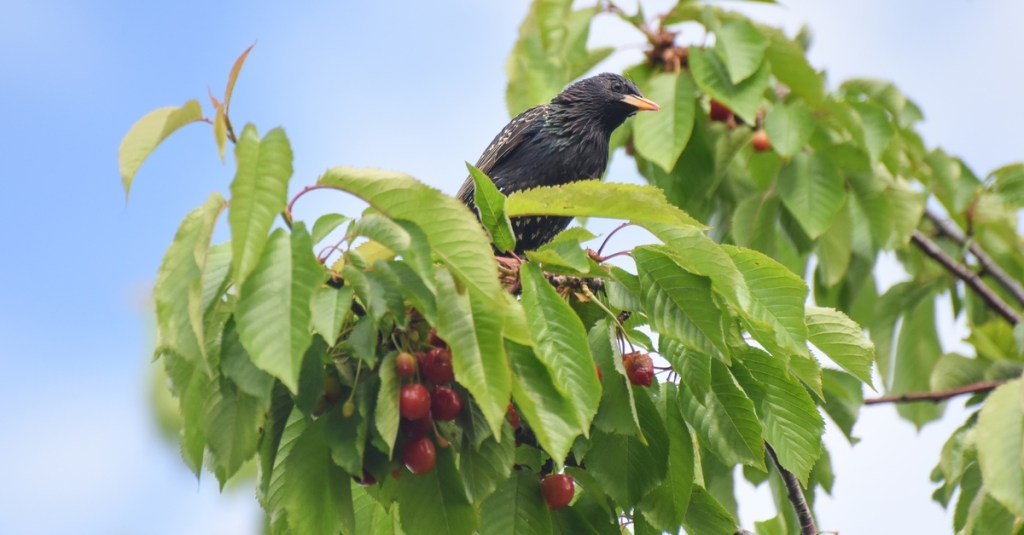
The frustration of finding pecked fruits or discovering your tree is under attack from aphids is something every cherry grower faces. Yet with the right knowledge and protective strategies, you can successfully defend your trees while maintaining a healthy garden.
Follow these effective strategies for protecting cherry trees from birds and pests so you can keep your garden gorgeous year-round.
Identifying Common Bird and Pest Threats
Before implementing any protection strategy, understanding exactly what threats your cherry trees face becomes crucial for success. Different pests require different approaches, and misidentifying the problem can lead to ineffective solutions and wasted efforts.
Birds present the most visible threat to cherry crops. Robins, starlings, and crows find ripe cherries irresistible, often consuming or damaging significant portions of the harvest within days.
Insects
Insects pose equally serious challenges, though their damage often develops more gradually. Aphids cluster on new growth and leaf undersides, causing leaf curl and weakening tree vigor. Cherry fruit flies lay eggs directly in developing fruits, creating wormy, unmarketable cherries. Scale insects attach themselves to bark and branches, slowly draining the tree’s energy over time.
Regular inspections of your trees help identify problems before they become severe. Look for unusual leaf patterns, damaged fruit, sticky honeydew deposits from aphids, or small holes in cherries that indicate fruit fly activity.
Early detection allows for targeted interventions that are both more effective and less disruptive to beneficial garden wildlife.
Creating a Multi-Faceted Protection Plan
Successful cherry tree protection relies on combining multiple strategies rather than depending on any single method. This integrated approach creates overlapping layers of defense that adapt to changing conditions throughout the growing season.
Bird deterrents become most critical as fruits begin showing color, typically several weeks before full ripeness. Pest control measures often need to start earlier, with aphid monitoring beginning when new growth emerges and fruit fly controls timed to adult emergence patterns in your area.
Environmental considerations shape which methods work best in your garden. Wind patterns affect how netting hangs and whether sound deterrents remain effective.
Seasonal Planning, Budget, & More
Seasonal planning ensures you have the necessary materials ready when needed. You need to install bird netting before fruits begin ripening, while beneficial insect habitats should be established well before pest pressures peak.
Creating a calendar of protection activities helps maintain consistent coverage throughout the critical growing period.

Budget and maintenance requirements vary significantly among different protection methods. Simple solutions like reflective tape require a minimal investment but need regular adjustments.
More comprehensive approaches like complete netting systems cost more initially but provide reliable long-term protection. Consider both the immediate costs and required ongoing maintenance when developing your plan.
Netting Your Cherry Trees for Bird Control
Physical barriers provide the most reliable bird protection, with properly installed netting offering near-complete crop security. However, effective netting requires careful selection of materials and installation techniques that protect both the fruit and wildlife.
Support structures prevent netting from resting directly on branches and fruit, which can cause damage and create access points for persistent birds. PVC pipe frameworks, wooden supports, or specialized netting hoops create the necessary space while maintaining netting integrity. The support system should accommodate tree growth and allow for easy harvest access.
Getting Your Timing Right
Installation timing affects both effectiveness and tree health. Apply netting after pollination is complete but before fruits begin showing color.
An early installation protects against the first wave of birds while avoiding interference with essential pollinating insects. Secure all edges to ground level or solid barriers, as birds readily exploit even small gaps.
Maintenance throughout the season keeps netting systems functioning properly. Check regularly for tears, loose areas, or trapped animals. Remove any debris that accumulates on netting surfaces, as this can create additional weight and stress points.
Using Visual and Auditory Deterrents
Some of the best strategies for protecting cherry trees from birds and pests include installing visual or auditory deterrents.
Deterrent systems rely on exploiting birds’ natural wariness and survival instincts, though their effectiveness depends heavily on proper implementation and regular variation to prevent habituation.
Visual deterrents work by creating movement or reflecting light in ways that suggest danger to approaching birds. Reflective tape produces flashing patterns as it moves in the breeze, while predator decoys like owl or hawk models create the appearance of territorial threats. Balloons with large eye patterns trigger instinctive fear responses in many bird species.
Positioning Your Deterrents Wisely
Strategic placement maximizes deterrent effectiveness while minimizing maintenance requirements. Position visual deterrents where they remain visible from multiple angles and catch available light throughout the day. Vary locations every few days to prevent birds from learning that these objects pose no real threat.

Sound deterrents range from simple wind chimes to sophisticated electronic systems that broadcast distress calls or predator sounds. Consider your neighbors when using auditory deterrents, as sounds that deter birds may also disturb people.
Rotation and variation prevent habituation, which can render deterrent systems ineffective within days of installation. Change deterrent types, locations, and activation patterns regularly.
Combine different deterrent types for greater effectiveness, but avoid creating such a complex system that maintenance becomes overwhelming.
Natural Pest Control Methods for Cherry Trees
Biological pest control harnesses natural ecosystem relationships to manage harmful insects while supporting overall garden health. These methods often provide sustainable long-term control with minimal environmental impacts.
Beneficial insects serve as the foundation of natural pest control systems. Ladybugs, lacewings, and parasitic wasps actively hunt aphids and other soft-bodied pests.
Encouraging these beneficial species through diverse plantings and avoiding broad-spectrum pesticides creates a self-regulating pest control system.
Companion Planting
Companion planting strategically uses other plants to repel pests or attract beneficial insects. Marigolds, nasturtiums, and herbs like basil or oregano can deter various insect pests when planted near cherry trees.
Flowering plants that bloom throughout the season provide nectar and pollen for beneficial insects, supporting stable populations that provide ongoing pest control.
Regular Monitoring and Maintenance
Weekly inspections during the growing season help identify emerging issues before they become severe. Check leaf undersides for aphid colonies, examine fruit for early signs of disease or insect damage, and assess the condition of protection systems like netting or deterrents. Keep simple records of what you observe to identify patterns and improve future protection strategies.
Seasonal maintenance keeps protection systems functioning effectively throughout critical periods. Clean and store netting properly after harvest to extend its useful life. Replace or repair deterrent systems that show wear or damage. Adjust support structures as trees grow to maintain proper coverage and avoid restricting healthy development.
Response protocols help you act quickly when you detect problems. Know which control methods are appropriate for specific pests and ensure you have the necessary materials readily available. Understand the timing requirements for different interventions, as delayed responses will reduce your intervention’s effectiveness significantly.
Enjoying Your Cherry Harvest
Successfully protecting cherry trees from birds and pests requires patience, observations, and flexibility in your approach.
Remember that no single method provides perfect protection in all situations. The most effective approach combines multiple strategies adapted to your specific growing conditions and pest issues.
Start with the techniques that best match your resources and experience level, then gradually expand your protection methods as you learn what works best in your garden.
Browse the varieties available and buy cherry trees online so you can leverage the techniques above now.

 Ty Ty Plant Nursery's Blog
Leave a comment