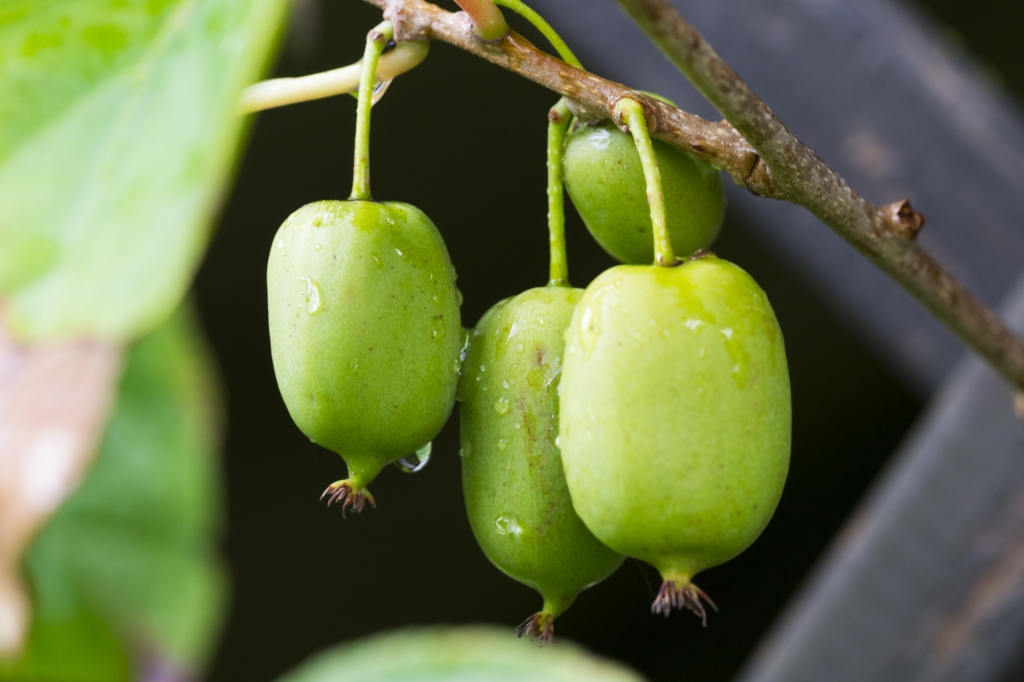
If you planted bare root Issai kiwi vines this spring, you’ve added one of the most productive and compact hardy kiwis to your garden. Unlike other kiwi types, Issai is self-pollinating, making it a favorite among home growers. But while it is naturally vigorous and cold-tolerant, a first-year vine needs proper fall care to transition from growth into dormancy. What you do now will protect the plant through winter and prepare it for strong growth when spring returns.
Understanding the Kiwi’s Seasonal Cycle
During spring and summer, your Issai kiwi focused its energy on putting down roots and stretching out tender new vines. As autumn arrives, the plant naturally begins to slow, moving nutrients and energy back into its root system and hardening off the wood it produced earlier in the season. Your goal in fall is to support that process—helping the vine store reserves, shielding it from cold stress, and preventing pests or diseases from overwintering nearby.
Watering and Feeding Before Dormancy
By the end of summer, fertilizing should already be stopped. Feeding too late can stimulate fresh green shoots that frost will damage, leaving wounds that stress the vine. Instead, focus on soil moisture. Keep watering consistently during dry spells until the ground begins to freeze. Kiwi vines have shallow roots, so they are vulnerable to drought. At the same time, avoid saturating the soil, as cool and soggy conditions can suffocate young roots. A vine that enters dormancy well hydrated will be far more resilient through winter.
Mulching for Root Zone Protection
Mulch is one of the simplest and most effective ways to safeguard Issai kiwi vines during their first winter. Apply two to three inches of organic mulch—such as straw, shredded bark, or compost—around the base. This layer moderates soil temperatures, keeps roots insulated, and reduces the damaging effects of freeze-thaw cycles.
Keep mulch pulled slightly back from the crown to avoid fungal problems. In colder regions, a thicker mulch layer may be necessary, especially for young plants still establishing their roots.
Supporting and Training Canes
Fall is a good time to check the trellis or support system you’ve set up. Make sure canes are tied loosely and won’t whip around in winter winds. Damaged or diseased shoots can be pruned away once the plant is dormant, but wait until late winter or very early spring for heavier pruning. Proper training now will make it easier to shape your vine when dormancy ends.
Protecting From Cold and Wind
While Issai kiwi is hardy to colder zones than traditional kiwis, first-year plants are more susceptible to cold injury. In areas with severe winters, consider wrapping the lower trunk with breathable frost cloth or using a light enclosure filled with straw or leaves for insulation. For container-grown vines, moving them to a sheltered location such as an unheated garage can protect the roots from freezing solid.
Cleaning Up the Planting Site
Before winter sets in, tidy the area around your vine. Remove fallen leaves and any leftover fruit to prevent pests or diseases from overwintering near the base. A clean planting site helps reduce spring disease pressure and gives your vine the healthiest start possible in its second year.
A Final Autumn Check
As frost approaches, make sure mulch is in place, canes are secured to their trellis, the soil is moist but not soggy, and the area is clear of debris. With these preparations, your Issai kiwi vine will enter dormancy well protected and wake up in spring ready to grow vigorously.
🛒 Where to Buy Bare Root Kiwi Vines
When you’re ready to plant more, turn to Ty Ty Plant Nursery, LLC:
✅ Best prices on bare root Issai kiwi plants
✅ Non-GMO, climate-suited stock for gardeners across the U.S.
✅ Fast shipping so plants arrive healthy and planting-ready
✅ Free 1-Year Plantsurance™ Guarantee – store credit if your vine doesn’t survive 🛡️
At Ty Ty, planting kiwi vines is always zero stress and all success.
🌟 Closing Thought
Issai kiwi vines are vigorous, hardy, and rewarding, but their first year is when they need the most care. By moderating watering, mulching heavily, securing canes, and protecting against winter cold, you’re giving your young vine the best chance to thrive.
Order your bare root Issai kiwi vines from Ty Ty Plant Nursery, LLC today and look forward to harvests of delicious, smooth-skinned kiwis in the seasons to come.

 Ty Ty Plant Nursery's Blog
Leave a comment