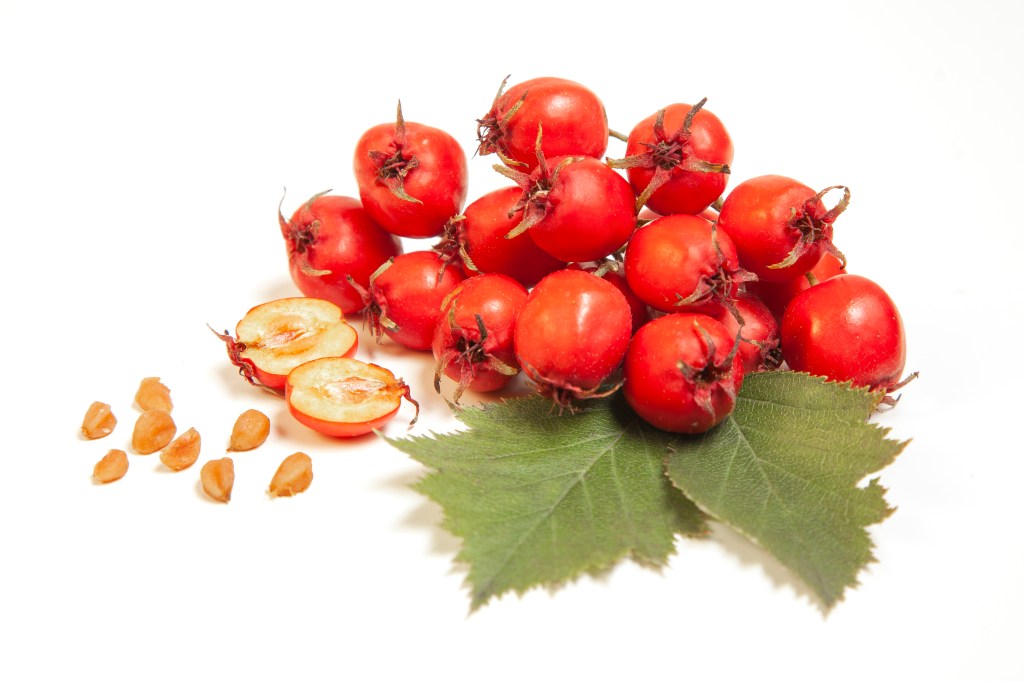
If you planted bare root mayhaw trees this spring, you’ve added one of the South’s most cherished native fruit trees to your orchard. Known for their fragrant blossoms and tart red fruit used in preserves and jellies, mayhaws are both beautiful and productive. But in their first year, they are focused on establishment—building roots, sending out shoots, and adjusting to their new environment. As autumn sets in, the emphasis shifts from growth to dormancy. How you care for your young tree this fall will determine its ability to survive winter and thrive next spring.
The Seasonal Shift in Mayhaw Growth
During the spring and summer, mayhaw trees concentrate on expanding their root system and forming leafy canopies. By fall, growth slows as the tree begins to move energy reserves back into its roots and woody tissues. This natural process strengthens the tree for the months ahead. Your fall care routine should work with this cycle by protecting what has grown, conserving resources, and preventing disease or injury.
Watering and Fertility Adjustments
Fertilizer applications should have ended by late summer. Feeding this late in the season can encourage soft, new growth that won’t survive frost. Instead, let the tree redirect its energy into hardening off its shoots and storing nutrients in the root system.
Watering remains important throughout fall. Even as temperatures drop, your mayhaw still requires moisture to go into winter strong. Keep soil evenly moist during dry spells, providing deep soakings that reach the roots. Avoid letting the soil become saturated, which can cause issues in cooler weather.
Mulching for Insulation and Moisture Retention
A protective mulch layer is one of the best defenses against winter stress. Spread two to four inches of organic mulch—such as pine bark, straw, or shredded leaves—around the base of the tree. Mulch insulates the root zone, minimizes freeze-thaw cycles, and conserves soil moisture.
Leave a small space around the trunk to avoid trapping moisture and encouraging rot or rodent activity. In regions with colder winters, adding extra mulch offers additional insulation.
Protecting the Trunk and Branches
Young mayhaw trees are especially vulnerable to winter damage. Thin bark can crack in fluctuating temperatures or be chewed by rodents when other food sources are scarce. Wrap the trunk with a white tree guard or breathable fabric in late fall to prevent frost cracks, sunscald, and chewing damage. Remove these wraps in early spring when temperatures stabilize.
Orchard Clean-Up and Light Pruning
Keep the planting area tidy to prevent pests and diseases from overwintering. Rake up fallen leaves or any debris around the tree’s base. This reduces the chance of fungal spores or insects carrying over into spring.
If you notice any dead or damaged branches, remove them now. Save heavy pruning or shaping for late winter while the tree is fully dormant.
A Final Fall Review
As frost approaches, check your tree one last time. Is the mulch in place? Is the soil moist but not waterlogged? Is the trunk protected from pests and frost damage? Is the orchard floor clean? These small details will help your first-year mayhaw tree survive winter and flourish in spring.
🛒 Where to Buy Bare Root Mayhaw Trees
When you’re ready to plant more mayhaws or expand your orchard, choose Ty Ty Plant Nursery, LLC:
✅ Best prices on premium bare root mayhaw trees
✅ Non-GMO, climate-appropriate selections
✅ Fast shipping so your trees arrive fresh and planting-ready
✅ Free 1-Year Plantsurance™ Guarantee – store credit if your tree doesn’t survive 🛡️
At Ty Ty, growing fruit trees is always zero stress and all success.
🌟 Closing Thought
Mayhaw trees are tough and rewarding, but their first winter is a pivotal time. By adjusting watering, insulating the roots with mulch, protecting the trunk, and keeping the orchard floor clean, you’ll give your young trees the best chance to establish themselves and deliver blossoms and fruit for years to come.
Order your bare root mayhaw trees from Ty Ty Plant Nursery, LLC today and plant with confidence.

 Ty Ty Plant Nursery's Blog
Leave a comment