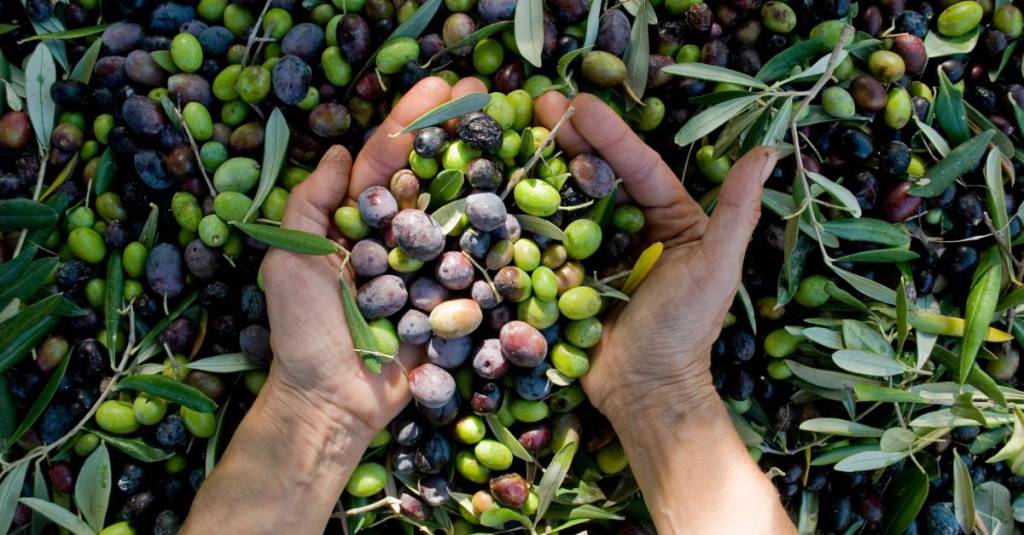
Olive trees, with their silver-green foliage and distinctive twisted trunks, bring a touch of ancient charm to modern spaces. Their appeal extends beyond aesthetics too. Olive trees represent longevity, peace, and abundance—qualities many of us seek in our homes and gardens.
The key to thriving olive trees is understanding their unique needs and adapting your care based on whether you’re growing them indoors or outdoors. Ahead, learn about proper care and key differences between indoor and outdoor olive trees so you can nurture these amazing plants for years to come.
Container Growing for Versatile Placement
Growing olive trees in containers opens up exciting possibilities for both indoor and outdoor cultivation. Container growing allows you to move your tree as seasons change, bringing it indoors during harsh winters or repositioning it outdoors to catch optimal sunlight.
Selecting the right container makes all the difference. Your olive tree needs room for its roots to develop, so choose a pot that’s at least twice the width of the root ball. Terra-cotta and ceramic pots work exceptionally well because they’re porous and allow excess moisture to evaporate naturally.
Drainage Needs and Mobility Benefits
Olive trees despise sitting in waterlogged soil, which can quickly lead to root rot. Your chosen container must have multiple drainage holes. Additionally, consider placing a layer of gravel at the bottom of the container to improve water flow.
The mobility of container growing means you can experiment with different locations until you find the perfect spot for your tree. This flexibility proves invaluable for indoor growers who might need to adjust tree placement based on seasonal light changes or household needs.
Soil and Feeding Requirements
Olive trees have evolved to thrive in slightly alkaline soil that mimics their Mediterranean origins. The soil should drain quickly after watering while still retaining enough moisture to support healthy growth. Heavy clay soils that stay soggy will cause more harm than good.
A quality potting mix combined with perlite or coarse sand creates an ideal growing medium for container olive trees. The mixture should feel light and airy in your hands, allowing water to flow through easily while providing stable support for the roots.
Preparing Your Plant’s Diet
Feeding your olive tree requires a balanced approach throughout the growing season. During spring and summer, when growth is most active, a balanced liquid fertilizer applied monthly will support healthy development. Look for fertilizers with equal ratios of nitrogen, phosphorus, and potassium.
Reduce feeding during fall and winter months when the tree’s growth naturally slows. Overfertilizing during dormant periods can weaken the tree and make it more susceptible to cold damage or disease.
Optimizing Light and Location
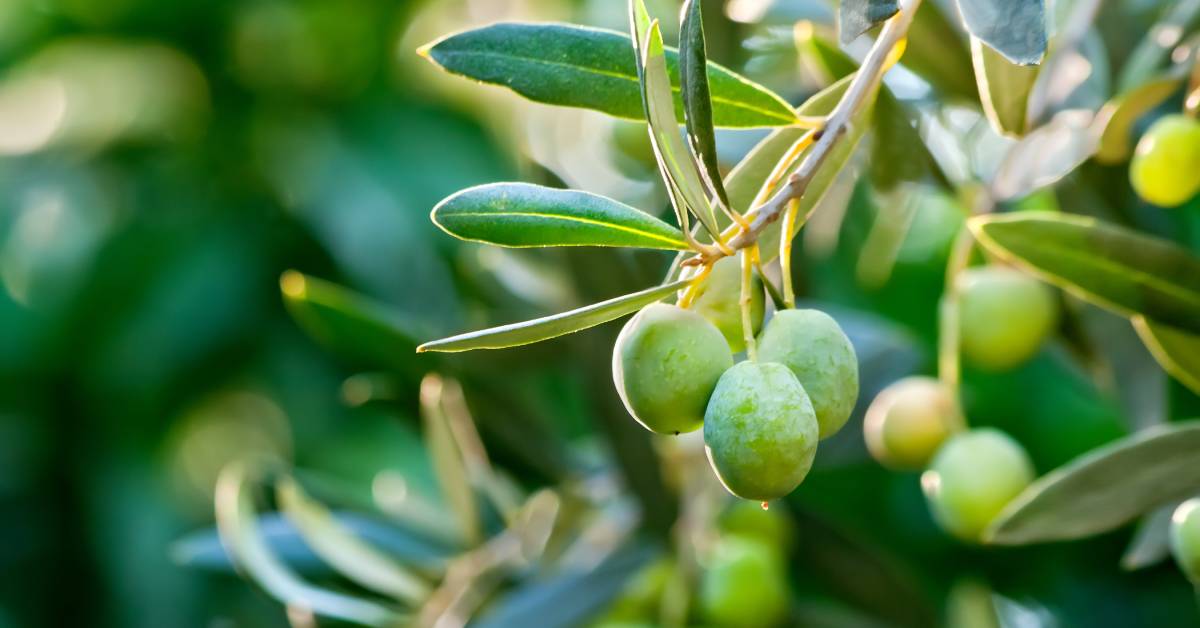
Olive trees are sun-loving plants that need substantial light exposure to remain healthy and potentially produce fruit. Outdoor olive trees should receive at least six to eight hours of direct sunlight daily. Position them in the sunniest spot available in your garden or patio, away from structures that might cast shadows during peak sunlight hours.
Indoor olive trees should go near your brightest window, preferably south-facing, where they can receive maximum natural light. During winter months or in homes with limited natural light, supplemental grow lights become essential for maintaining tree health.
Consider rotating indoor olive trees periodically for even light distribution on all sides. This simple practice prevents the tree from developing a lopsided growth pattern as it reaches toward the light source.
The Ideal Watering Balance
Olive trees are drought-tolerant plants that prefer deep, infrequent watering rather than regular light applications that only wet the soil surface. Container olive trees typically need more frequent watering than those planted in the ground, as pots dry out faster than garden soil. During hot summer months, you might need to water the tree every few days, while winter watering might occur only once or twice per week.
Indoor olive trees often require less frequent watering due to lower light levels and cooler temperatures. However, heated indoor environments can dry out soil more quickly than expected, so regular monitoring remains important throughout the year.
Don’t hesitate to double-check your plant nursery’s recommended watering levels for your specific olive tree variety. We have large olive trees available online, listed alongside information for each plant’s watering routine, soil requirements, and more.
Strategic Pruning
Pruning olive trees maintains an attractive shape, promotes healthy growth, and improves air circulation through the canopy. Regular pruning also makes harvesting easier if your tree produces fruit.
The best time to prune olive trees is during late winter or early spring, just before new growth begins. This timing allows you to see the tree’s structure clearly and remove damage from winter weather.
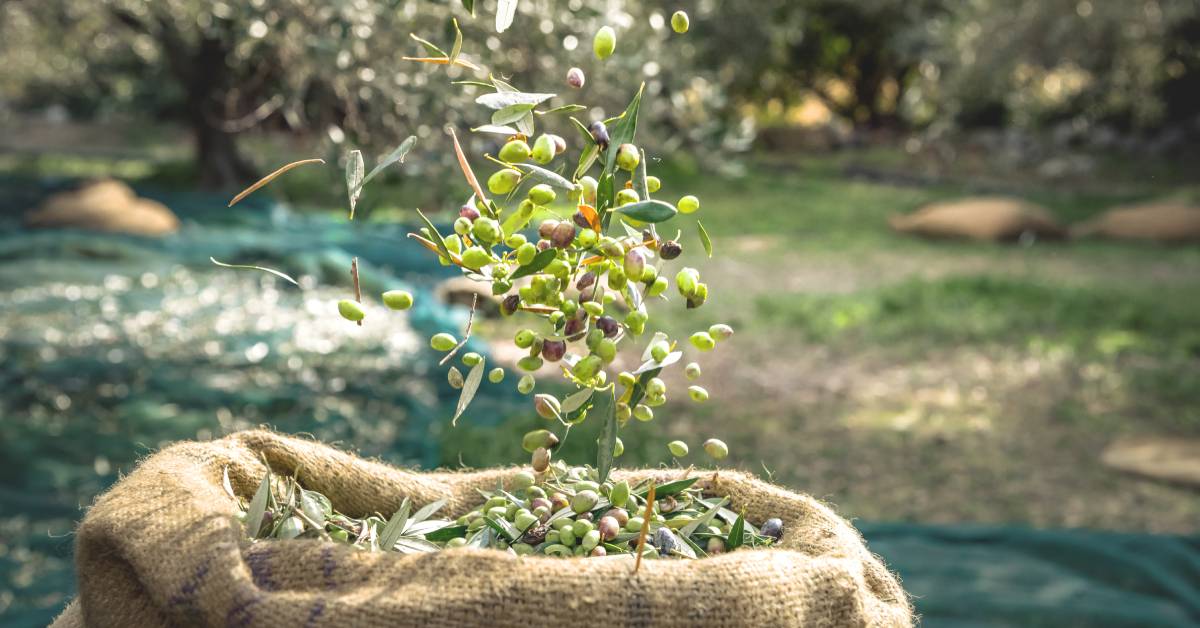
Focus on removing dead, diseased, or crossing branches first. Next, shape the tree by removing branches that grow inward toward the center, as olive trees benefit from an open canopy that allows light and air to penetrate throughout. Indoor olive trees may need more frequent light pruning to maintain their size and shape within the confines of your living space.
Preparing for Winter Protection
Winterizing olive trees requires different strategies depending on whether they’re grown indoors or outdoors. The goal is to protect them from temperature extremes while maintaining enough light and air circulation to keep them healthy.
Outdoor container olive trees should be moved to protected locations before temperatures drop below 25 degrees Fahrenheit. Unheated garages, cold frames, or covered patios provide excellent winter shelter while still maintaining cooler temperatures that olive trees need for proper dormancy.
In-ground outdoor olive trees may need trunk wrapping or canopy protection in areas with harsh winters. Burlap wraps provide insulation while still allowing for air circulation, preventing the moisture buildup that can lead to fungal problems.
Indoor olive trees require consistent care throughout the winter but may need additional light supplementation as daylight hours decrease. Reduce watering frequency, but don’t let the soil become completely dry, as this can stress the tree when combined with lower light levels.
Making the Right Choice for Your Situation
Choosing between indoor and outdoor olive trees requires many considerations, so how do you know which option is best for your setup at home? The factors to weigh most heavily are climate, available space, and personal preferences. Each approach offers advantages and challenges that align differently with various lifestyles.
Outdoor cultivation allows olive trees to reach their full potential in terms of size and fruit production. Trees planted in the ground or in large containers can develop more extensive root systems and typically require less intensive daily care once established.
Indoor growing provides complete climate control and allows you to enjoy your olive tree year-round, regardless of outdoor weather conditions. However, indoor trees remain smaller and require more attention to lighting, humidity, and regular care to maintain their health.
Gardeners in warm, Mediterranean-like climates can successfully grow olive trees outdoors year-round, while those in colder regions may find container growing with seasonal indoor storage more practical.
Start growing your own olive trees today to experience the joy of cultivating these timeless plants!

 Ty Ty Plant Nursery's Blog
Leave a comment