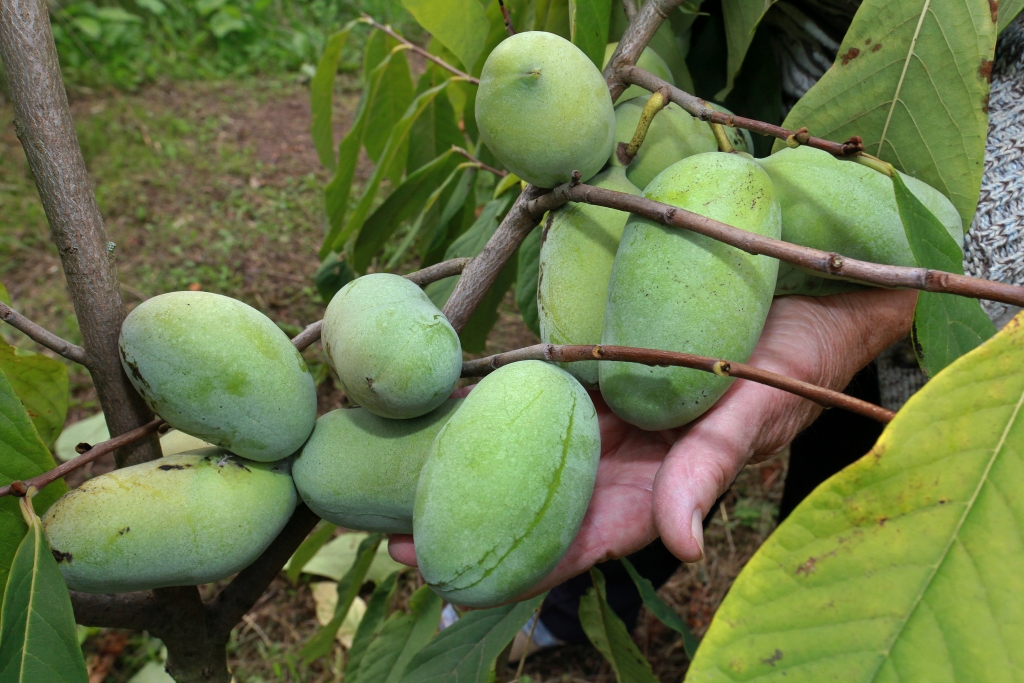
If you planted a bare root pawpaw tree this spring, you’ve started the journey of growing one of North America’s most unique and delicious native fruits. Pawpaws, sometimes called the “custard apple,” produce tropical-tasting fruit on a tree that thrives in temperate climates. But while pawpaws are hardy once established, their first year in the ground is a delicate stage. By fall, your young tree has invested months into developing roots and shoots, and it now needs help transitioning into winter dormancy. The care you provide this season will determine its survival and vigor next spring.
How Pawpaw Trees Transition in Autumn
During spring and summer, a new pawpaw puts most of its energy into establishing roots while slowly building its canopy. By fall, growth slows as energy shifts back into the root system and woody tissues. Leaves begin to yellow, then drop, signaling the onset of dormancy. Your goal is to support this process by conserving energy, protecting the root zone, and safeguarding the trunk and branches from seasonal stress.
Adjusting Water and Feeding Practices
Fertilization should be stopped by late summer. Applying nutrients too late can trigger new shoots that won’t have time to harden before frost, leaving them vulnerable. Instead, let the tree naturally prepare for dormancy.
Watering remains essential, though. Pawpaws have shallow roots that dry out easily, especially in their first year. Keep the soil moist during autumn dry spells until the ground freezes, focusing on deep, thorough soakings rather than frequent light watering. Hydrated roots are better able to withstand the fluctuations of winter.
Mulching for Root Zone Protection
Mulching is one of the most effective steps for protecting first-year pawpaws. Spread two to four inches of organic mulch—such as straw, shredded bark, or leaf mold—around the base of the tree. This insulation helps moderate soil temperatures, reduces freeze-thaw cycles, and retains moisture.
Be sure to keep the mulch a few inches back from the trunk to prevent excess moisture from encouraging rot or attracting pests. In colder zones, a slightly thicker mulch layer offers extra protection for sensitive young roots.
Protecting the Trunk and Branches
Pawpaw bark is thin and can be easily damaged by frost cracks or sudden temperature swings. In late fall, wrap the trunk with a breathable guard or frost cloth to prevent injury. These wraps also help discourage rodents from gnawing on bark when other food sources are scarce. Remove protective wraps in early spring so the tree can breathe and resume growth unimpeded.
Orchard Clean-Up and Light Maintenance
Maintaining a clean planting site is key to keeping pests and diseases at bay. Rake up fallen leaves and debris from around the tree’s base. This reduces the chance of fungal spores or insects overwintering in the soil.
If you see any weak, broken, or diseased branches, prune them now. Save major pruning and shaping for late winter or very early spring while the tree is fully dormant.
A Final Fall Review
Before the first frost arrives, check that your tree’s soil is moist but not waterlogged, mulch is refreshed, the trunk is protected, and the planting site is clean. These preparations will give your pawpaw the best possible chance to withstand winter and burst back to life in spring.
🛒 Where to Buy Bare Root Pawpaw Trees
When you’re ready to expand your orchard, order from Ty Ty Plant Nursery, LLC:
✅ Best prices on premium bare root pawpaw trees
✅ Non-GMO, climate-appropriate selections
✅ Fast shipping so trees arrive fresh and planting-ready
✅ Free 1-Year Plantsurance™ Guarantee – store credit if your tree doesn’t survive 🛡️
At Ty Ty, planting fruit trees is always zero stress and all success.
🌟 Closing Thought
Pawpaw trees may be naturally hardy, but their first fall is when they need you most. By providing consistent moisture, insulating mulch, trunk protection, and orchard floor clean-up, you’ll ensure they make it through dormancy strong and ready for another year of growth.
Order your bare root pawpaw trees today from Ty Ty Plant Nursery, LLC and enjoy the promise of tropical fruit from a native tree in your own backyard.

 Ty Ty Plant Nursery's Blog
Leave a comment