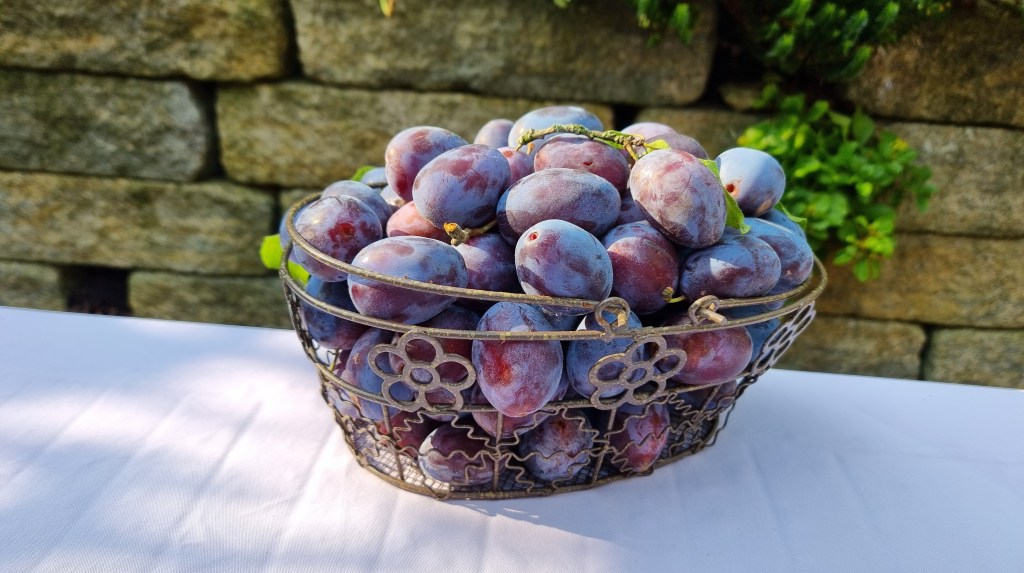
If you planted a bare root plum tree this spring, you’ve started the journey toward beautiful blossoms and bountiful harvests in seasons to come. Plum trees adapt well once established, but the first year is critical. By fall, your young tree has invested months into rooting itself and putting on new shoots. As the growing season winds down, the goal shifts from encouraging more growth to preparing the tree for winter dormancy. The care you provide now will safeguard its progress and ensure a stronger start in spring.
How Plum Trees Transition in Autumn
During spring and summer, plum trees work to expand their roots and canopy. By the time autumn arrives, they redirect energy inward, storing carbohydrates in the root system and woody tissues. Leaves begin to turn and drop as the tree naturally prepares to rest. Your fall care routine should support this process by focusing on protection and stability rather than growth stimulation.
Watering and Fertility Adjustments
By late summer, fertilization should be discontinued. Feeding too late can cause soft, green shoots that frost will damage. Instead, allow the tree to strengthen existing wood and conserve its resources.
Watering should continue through the fall, especially during dry spells. Plum trees benefit from deep, thorough soakings that keep the soil moist without leaving it waterlogged. Hydrated roots enter dormancy with greater resilience to freeze-thaw cycles common in winter.
Mulching for Root Protection
Mulching is one of the most effective ways to protect a young plum’s roots through its first winter. Apply a layer of two to four inches of organic material—like straw, bark, or shredded leaves—around the base of the tree. Mulch stabilizes soil temperatures, conserves moisture, and reduces the stress of winter fluctuations.
Leave a small space around the trunk to prevent rot or rodent issues. In colder climates, add an extra layer of mulch for greater insulation.
Trunk Protection and Orchard Clean-Up
Young plum trees have thin bark that can crack or scar from sudden temperature swings. Wrapping the trunk with a breathable tree guard or using spiral wraps in late fall helps prevent sunscald and frost injury. These guards also protect from rodents that may chew bark in winter. Remove wraps in early spring when growth resumes.
Equally important is orchard hygiene. Clear away fallen leaves and fruit from around the tree. This helps prevent fungal spores and pests from overwintering in the soil. Any damaged or diseased branches should be pruned out now, but major pruning should wait until late winter when the tree is fully dormant.
A Final Autumn Check
Before the first frost, check that your tree is set for dormancy: mulch refreshed, soil moist, trunk protected, and orchard floor clean. These small steps ensure your plum tree rests safely through winter and is ready for vigorous growth in spring.
🛒 Where to Buy Bare Root Plum Trees
For healthy, planting-ready stock, trust Ty Ty Plant Nursery, LLC:
✅ Best prices on premium bare root plum trees
✅ Non-GMO, climate-suited varieties
✅ Fast shipping so your trees arrive fresh and ready to plant
✅ Free 1-Year Plantsurance™ Guarantee – store credit if your tree doesn’t survive 🛡️
At Ty Ty, planting fruit trees is always zero stress and all success.
🌟 Closing Thought
Plum trees are dependable producers, but their first fall in the ground is a decisive season. With the right combination of water management, mulch, trunk protection, and orchard clean-up, you’re laying the foundation for years of growth and harvest.
Order your bare root plum trees today from Ty Ty Plant Nursery, LLC and plant with confidence.

 Ty Ty Plant Nursery's Blog
Leave a comment