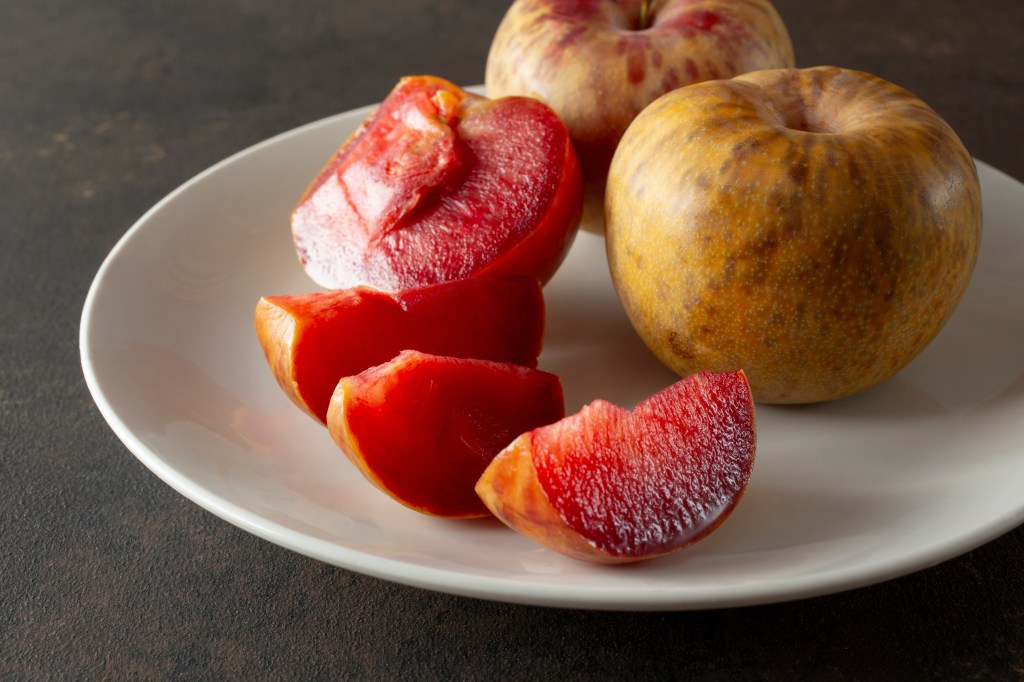
If you planted a bare root pluot tree this spring, you’ve introduced a remarkable hybrid of plums and apricots to your orchard. Pluots are prized for their sweet, complex fruit and their striking blossoms, but like other stone fruits, their first year is about root establishment rather than fruit production. By fall, your young tree has spent months anchoring itself in the soil and putting on leafy growth. As the season shifts, your focus should move from encouraging more growth to ensuring the tree transitions smoothly into dormancy and survives winter unscathed.
The Autumn Transition for Pluots
In spring and summer, a pluot tree channels energy into shoots, leaves, and early root expansion. By fall, this activity slows as nutrients are drawn back into the trunk and roots, where they will be stored until spring. Leaves begin to change color and fall, marking the start of dormancy. Supporting this process means protecting roots from cold stress, ensuring hydration, and preventing disease or pest problems from carrying over into the next year.
Water and Fertility Adjustments
Fertilization should stop by late summer. Adding nutrients too late in the season can stimulate green growth that won’t mature before frost, leaving it vulnerable to injury. Instead, allow the tree to harden off naturally.
Watering should continue during dry stretches of fall. Deep, thorough soakings help the root zone remain hydrated before the ground freezes. Well-watered roots are more resistant to winter injury caused by freeze-thaw cycles. Be careful not to oversaturate the soil, as excess moisture in cool conditions can lead to rot.
Mulching for Root Zone Protection
Mulch is essential for a first-year pluot. Apply a layer of two to four inches of organic material, such as shredded bark, straw, or pine needles, around the base of the tree. Mulch stabilizes soil temperatures, reduces moisture loss, and helps shield tender roots from sudden temperature swings.
Keep mulch slightly away from the trunk to prevent fungal problems or rodent activity. In colder climates, a thicker mulch blanket offers additional insulation for young roots.
Safeguarding the Trunk
Young pluot trees have thin bark that is prone to frost cracks and sunscald during winter’s fluctuating temperatures. Wrapping the trunk in late fall with a white tree guard or breathable wrap can reduce damage. These guards also protect against rodents that may chew bark when food sources are limited. Remove wraps in early spring once temperatures moderate.
Orchard Hygiene and Light Maintenance
As part of fall preparation, clean the orchard floor around your pluot tree. Remove fallen leaves or fruit to reduce the chance of pests and pathogens overwintering near the base. If you spot any diseased or damaged branches, prune them out now. Save heavy pruning and shaping for late winter or very early spring while the tree is fully dormant.
A Final Autumn Check
Before frost sets in, make sure your pluot is ready: mulch refreshed, soil moist but not saturated, trunk wrapped for protection, and orchard floor clear. These small steps help your young tree survive dormancy and wake up vigorous in spring.
🛒 Where to Buy Bare Root Pluot Trees
When it’s time to expand your orchard, the best source is Ty Ty Plant Nursery, LLC:
✅ Best prices on bare root pluot trees
✅ Non-GMO, climate-appropriate varieties
✅ Fast shipping so trees arrive fresh and planting-ready
✅ Free 1-Year Plantsurance™ Guarantee – store credit if your tree doesn’t survive 🛡️
At Ty Ty, planting fruit trees is always zero stress and all success.
🌟 Closing Thought
Pluots are a special addition to any orchard, but their success starts with careful first-year care. By maintaining steady soil moisture, mulching for root insulation, protecting trunks, and cleaning up the orchard floor, you’ll ensure your young tree rests safely through winter and bursts back with new life in spring.
Order your bare root pluot trees from Ty Ty Plant Nursery, LLC today and plant with confidence.

 Ty Ty Plant Nursery's Blog
Leave a comment