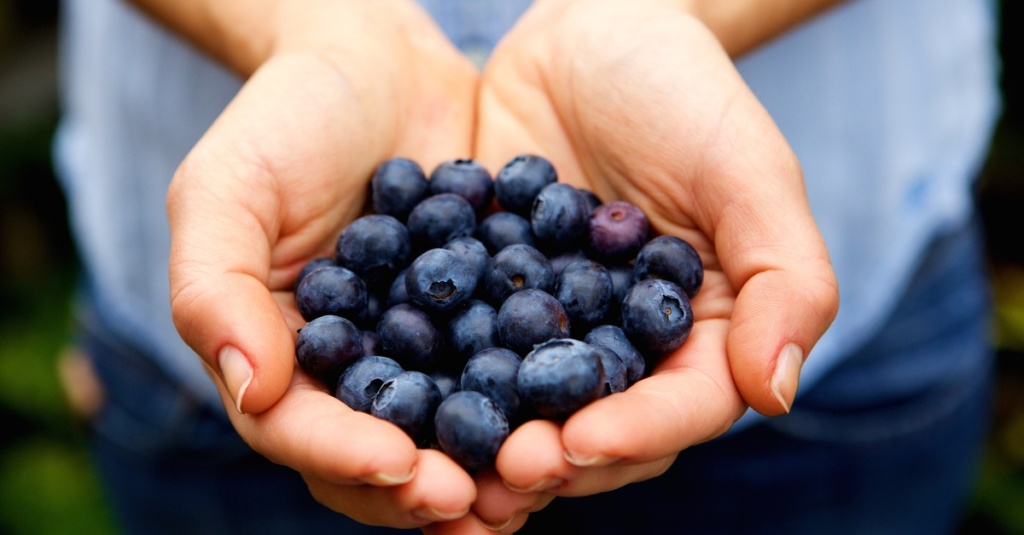
Blueberries are one of the most rewarding crops you can grow at home. They’re attractive landscape plants, provide antioxidant-rich fruit, and, once established, produce for decades. But before you dig your first hole, it’s important to know that blueberries aren’t one-size-fits-all. Choosing the right plants and site makes all the difference. The three main factors to focus on are chill hours, planting location, and variety selection—including pollination needs.
Chill Hours: Matching Plants to Your Climate
Chill hours are the total time a plant spends in cold weather—between about 32°F and 45°F—during winter. Blueberries rely on these hours to reset their growth cycle, ensuring proper flowering and fruiting in spring. Without enough chill hours, you may see weak blossoms and lower yields.
Different areas of the country accumulate varying chill hours:
- Northern states (Michigan, Maine, Minnesota) often exceed 1,000 chill hours.
- Midwestern and Mid-Atlantic regions average between 600–900.
- Southern states (Georgia, Florida, Texas) may only see 200–500 hours.
Highbush blueberries typically need 800–1,000 hours, while low-chill Southern highbush and rabbiteye varieties can thrive in regions with far fewer. Always choose a type that matches your region’s winter profile.
Planting Location: Soil and Sunlight
Blueberries are particular about where they grow. They require acidic soil with a pH between 4.5 and 5.5. If your soil isn’t naturally acidic, you may need to amend it with sulfur or plant in raised beds with a custom soil mix.
Full sun exposure—at least 6–8 hours per day—is critical for maximum fruiting. While blueberries tolerate some shade, yields will drop without consistent sunlight.
When planting, give your bushes every advantage:
- Place Nutra Pro First-Year Fertilizer Packs in the hole for slow-release nutrients.
- Add a transplant mix with soil moisture polymers to reduce watering needs and improve root establishment.
Spacing plants about 4–6 feet apart with rows 8–10 feet apart allows for air circulation, reducing disease pressure and making harvesting easier.
Varieties and Pollination
Blueberries are divided into several categories: northern highbush, southern highbush, rabbiteye, and lowbush. Which you choose depends on your region’s chill hours and climate.
While some varieties are self-pollinating, planting more than one variety generally improves fruit size and yield. Cross-pollination between compatible cultivars also extends the harvest window by staggering ripening times.
For example:
- In the North, northern varieties like Pink Lemonade perform well.
- In the South, rabbiteye cultivars such as Brightwell or Climax.
Choosing the right variety—and pairing it with a companion for pollination—ensures years of reliable harvests.
🛒 Where to Buy Blueberry Plants
For high-quality stock and the best value, the top choice is Ty Ty Plant Nursery, LLC:
✅ Best prices on premium bare root blueberry plants
✅ Non-GMO, region-suited varieties for every U.S. climate
✅ Fast shipping so plants arrive fresh and ready to thrive
✅ Free 1-Year Plantsurance™ Guarantee – store credit if your plant doesn’t survive 🛡️
At Ty Ty, planting blueberries is always zero stress and all success.
🌟 Closing Thought
Blueberry plants will reward you for decades—but only if you select the right variety for your climate, prepare the soil and planting site properly, and account for pollination. By planning ahead, you’ll be harvesting plump, flavorful berries season after season.
Order your bare root blueberry plants today from Ty Ty Plant Nursery, LLC and grow with confidence.

 Ty Ty Plant Nursery's Blog
Leave a comment