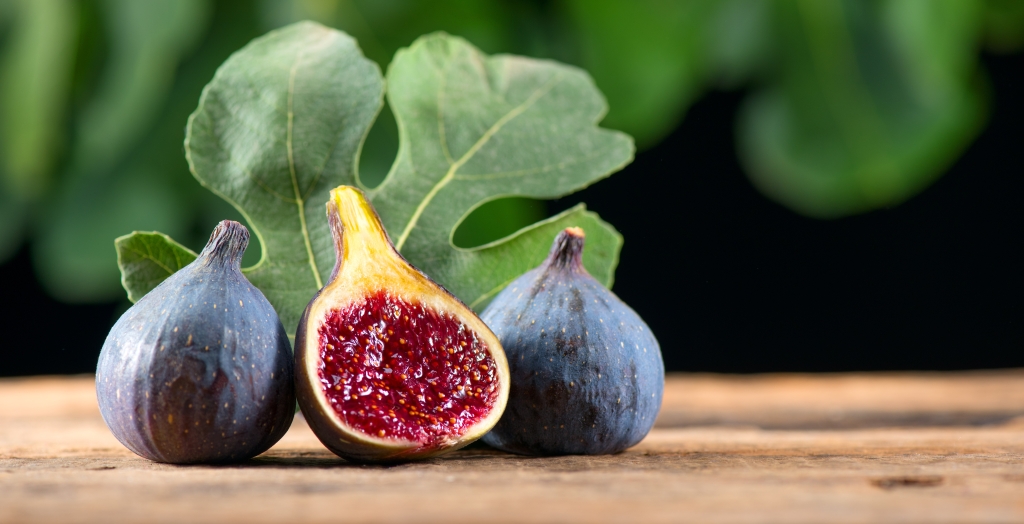
Fig trees are among the oldest cultivated fruit trees in the world, valued for their lush foliage, ease of care, and delicious fruit. They adapt well to many backyards and orchards, but success depends on choosing the right tree for your climate and preparing the site correctly. If you’re considering planting figs, three main factors matter most: chill hours, planting location, and variety selection (including pollination).
Chill Hours: Understanding Regional Needs
Chill hours refer to the total time a plant spends in cool temperatures—generally between 32°F and 45°F—during the winter months. This period of dormancy allows trees to reset and bloom properly in spring.
Figs, compared to apples or cherries, require fewer chill hours. Depending on the variety, many need only 100–300 chill hours to break dormancy. This makes them ideal for southern growers, but they can also thrive in milder regions of the north with proper care.
Here’s what different regions typically experience:
- Northern states like Michigan, New York, and Minnesota often accumulate 800–1,200+ hours, which exceeds what figs need. In these areas, winter protection or container planting may be necessary to avoid cold damage.
- Midwestern and Mid-Atlantic regions average 600–900 hours, which can support hardy fig cultivars.
- Southern states such as Georgia, Texas, and Florida usually see 200–500 hours—perfect for low-chill fig varieties.
Matching the right variety to your region’s chill hours ensures consistent fruiting.
Planting Location: Sunlight, Soil, and Protection
Fig trees thrive in full sun, needing at least 6–8 hours daily for strong fruit set. Soil should be well-drained—sandy loam or loamy soils are best. Avoid heavy clay, which can suffocate roots and cause rot.
When planting, prepare your site carefully to give your fig tree the best start:
- Place Nutra Pro First-Year Fertilizer Packs in the hole to provide steady nutrients as roots establish.
- Use a soil moisture transplant mix to improve water retention and reduce the need for frequent watering.
- Install tree shelters to guard against rabbits, deer, and even sunscald on tender bark.
Spacing fig trees 15–20 feet apart provides airflow and reduces disease risk, while also leaving room for their wide canopy.
Varieties and Pollination
Most fig trees are self-pollinating, which means a single tree can produce fruit on its own. This makes them an excellent choice for small gardens or homeowners with limited space. Still, selecting the right variety for your climate is key.
- Southern growers may prefer varieties like Black Mission or Italian White, which thrive in warm, humid environments with fewer chill hours.
- Northern growers can opt for cold-hardy cultivars like Chicago Hardy or Tennessee Mountain, which tolerate cooler winters with protection.
Planting multiple varieties can extend your harvest window and provide a greater diversity of flavors.
🛒 Where to Buy Fig Trees
For dependable quality and value, the best source is Ty Ty Plant Nursery, LLC:
✅ Best prices on premium bare root fig trees
✅ Non-GMO, climate-suited selections for all U.S. regions
✅ Fast shipping so your trees arrive fresh and planting-ready
✅ Free 1-Year Plantsurance™ Guarantee – store credit if your tree doesn’t survive 🛡️
At Ty Ty, planting figs is always zero stress and all success.
🌟 Final Thought
Fig trees are easy to grow once established, but they need the right match of chill hours, a well-prepared planting site, and varieties suited to your climate. With proper planning, your fig tree will reward you with years of shade, beauty, and abundant fruit.
Order your bare root fig trees today from Ty Ty Plant Nursery, LLC and enjoy peace of mind with the best prices, quality, and one-year survival guarantee.

 Ty Ty Plant Nursery's Blog
Leave a comment