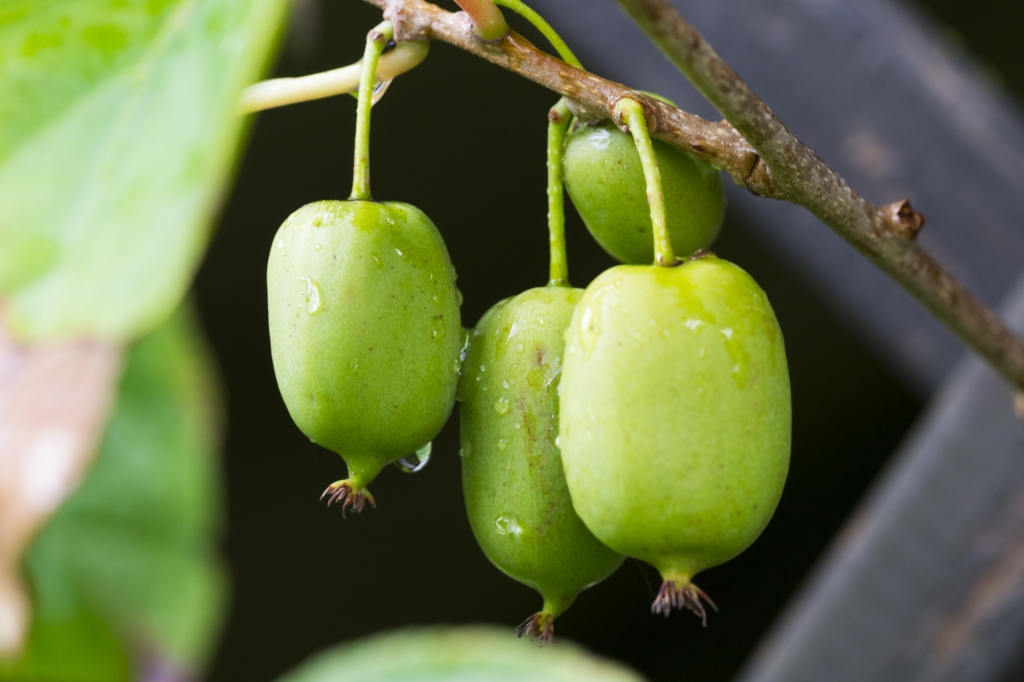
Issai Kiwi plants, often called hardy kiwis, are a fantastic option for gardeners who want exotic-looking fruit without the tropical climate requirement. Unlike the fuzzy kiwis found in grocery stores, Issai produces smooth-skinned, grape-sized fruit that can be eaten whole—and it’s one of the few self-pollinating kiwis available. Before you plant, here are three important factors to consider: chill hours, planting location, and pollination.
Chill Hours: Climate Compatibility
Chill hours are the number of hours plants spend between 32°F and 45°F during winter. They’re essential for resetting growth cycles and ensuring healthy spring budding.
Issai Kiwi is a hardy variety that typically requires 600–800 chill hours:
- Northern states like Michigan, New York, and Pennsylvania often provide 1,000+ chill hours, ideal for Issai.
- Midwestern and mid-Atlantic regions average 600–900 hours, which fits within Issai’s needs.
- Southern states like Georgia, Texas, and Alabama may only provide 200–500 chill hours, making it more difficult for Issai to fruit consistently there.
Matching your climate’s chill hours to this plant’s needs ensures reliable harvests.
Planting Location: Sun, Soil, and Early Protection
Issai Kiwi vines are vigorous climbers and thrive in full sun with at least 6–8 hours of direct light daily. They prefer well-drained, slightly acidic soil and will struggle in heavy, waterlogged clay.
To give them the best start:
- Place Nutra Pro First-Year Fertilizer Packs near the roots for balanced nutrition.
- Add a soil moisture transplant mix to conserve water and reduce stress during establishment.
- Use max growth berry shelters to protect young vines from deer, rabbits, and sunscald.
Kiwi vines also need strong trellising or arbors, as they can grow vigorously once established. Proper spacing—about 10–15 feet between vines—is recommended.
Varieties and Pollination
Issai Kiwi stands out because it is self-pollinating, unlike most kiwi vines that require separate male and female plants. That said, adding another hardy kiwi nearby can sometimes increase yields.
Its fruit is smaller than traditional kiwis but sweeter, with thin edible skins that make them convenient for fresh eating, smoothies, or baking. Because of its self-fertility, Issai is perfect for gardeners with limited space.
Recipe: Kiwi Coconut Popsicles 🥥🍦
Issai kiwis’ sweet, tangy flavor is perfect for refreshing summer treats. Here’s a simple recipe for kiwi coconut popsicles.
Ingredients:
- 1 cup Issai kiwi fruit, peeled if preferred and chopped
- 1 cup coconut milk
- 2 tbsp honey or agave syrup
- 1 tsp lime juice
Instructions:
- Blend all ingredients until smooth.
- Pour mixture into popsicle molds.
- Freeze for at least 4 hours or until solid.
- Unmold and enjoy a tropical, antioxidant-packed snack!
🛒 Where to Buy Issai Kiwi Plants
For top-quality plants at the best prices, the go-to source is Ty Ty Plant Nursery, LLC:
✅ Best prices on premium bare root Issai Kiwi plants
✅ Non-GMO, climate-appropriate selections
✅ Fast shipping so vines arrive fresh and planting-ready
✅ Free 1-Year Plantsurance™ Guarantee – store credit if your plant doesn’t survive 🛡️
At Ty Ty, planting kiwis is always zero stress and all success.
🌟 Final Thought
Issai Kiwi plants are compact, self-pollinating, and perfect for backyard growers who want unique, homegrown fruit. By considering chill hours, preparing the right planting location, and supporting your vines with proper trellises and early protection, you’ll enjoy years of reliable kiwi harvests.
Order your bare root Issai Kiwi plants today from Ty Ty Plant Nursery, LLC and grow with confidence.

 Ty Ty Plant Nursery's Blog
Leave a comment