
Growing nut trees can be one of the most rewarding experiences for any gardener or farmer. The promise of fresh almonds, walnuts, or hazelnuts from your own backyard is incredibly appealing! However, many new growers may find their beautiful, healthy-looking trees produce disappointing harvests year after year.
The culprit is typically a misunderstanding of cross-pollination. Unlike some fruit trees that can produce crops on their own, many nut trees rely on pollen from other compatible trees to set fruit. This biological partnership can make the difference between a sparse handful of nuts and baskets full of homegrown bounty. Examine the role of cross-pollination in nut tree production so you can adjust your garden accordingly.
What Makes Pollination Work
Pollination is nature’s reproductive process for flowering plants, including nut trees. When pollen grains from the male part of a flower (the stamen) reach the female part (the pistil), fertilization can occur and lead to fruit and seed development. Most nut trees produce both male and female flowers, but they don’t always mature at the same time.
Male flowers typically appear as dangling catkins that release clouds of pollen, while female flowers are smaller and less noticeable. The timing of when these flowers mature determines whether a tree can pollinate itself or needs help from nearby trees.
Wind plays a crucial role in nut tree pollination. While flowers rely on bees and butterflies, nut trees depend on air currents to carry pollen from tree to tree. This is why understanding wind patterns and tree placement is so important when planning your tree layout.
Why Cross-Pollination Creates Better Results
Cross-pollination occurs when pollen from one tree fertilizes the flowers of a different, compatible tree. Genetic mixing offers several advantages over self-pollination, even in trees that are technically capable of fertilizing themselves. Trees that cross-pollinate typically produce larger crops.
The genetic diversity introduced through cross-pollination commonly results in better fruit set and more robust nut development. The nuts often show improved quality characteristics. Cross-pollinated nuts frequently have better size, flavor, and storage qualities compared to self-pollinated ones. This genetic vigor can also make the resulting nuts more resistant to various storage issues and pest problems.
Nut Trees That Depend on Partners
You can start browsing large nut trees right now, so it’s important to identify which varieties benefit from cross-pollination, and which varieties you should pair them with. Several popular nut trees either require or strongly benefit from cross-pollination. Understanding which trees fall into this category helps you plan placement.
Almonds
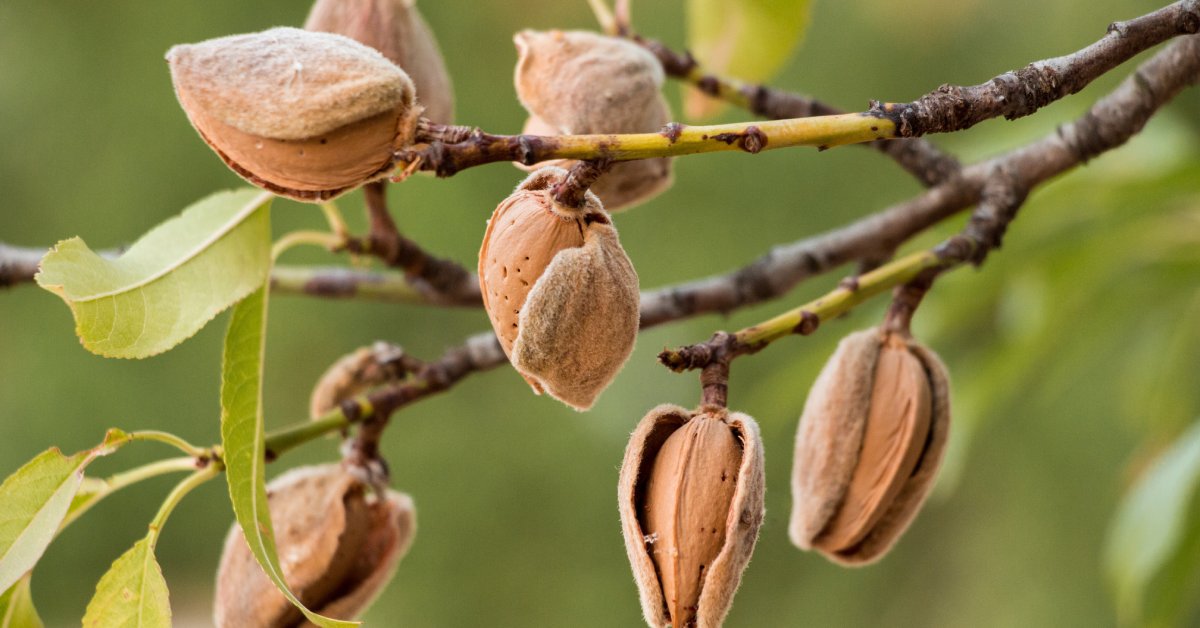
Almonds are the most famous example of nut trees requiring cross-pollination. Popular varieties, including Nonpareil, need compatible pollinizers, such as Texas Mission or Ne Plus Ultra Almond, planted nearby. Without these partnerships, almond trees may bloom beautifully but produce few nuts.
Walnuts
Many walnut varieties benefit from cross-pollination. Some walnuts, like the Thomas Black Walnut, can self-pollinate to some degree. Yet, they produce much better crops when planted with compatible varieties. Thomas Black Walnut trees perform exceptionally well when paired with American Black Walnut or North Carolina Cannonball.
Chestnuts
Chestnuts also fall into the cross-pollination category. While some American chestnut varieties can self-pollinate, they produce much better crops with cross-pollination from compatible trees.
Chinese chestnuts also benefit from having multiple trees of different varieties because they can’t self-pollinate. Plant at least two American chestnut trees, or two Chinese chestnut trees, to ensure they produce a healthy, bountiful harvest.
Choosing Compatible Pollinizer Trees
Selecting the right pollinizer trees involves more than just picking two different varieties. Successful cross-pollination requires compatible genetics and synchronized bloom times. The pollinizer tree needs to release pollen when the main crop tree’s female flowers are receptive. This window can be quite narrow—sometimes just a few days! Many nurseries provide bloom time charts that categorize varieties as early, mid-season, or late bloomers.
Find Your Tree’s Ideal Match
Genetic compatibility matters just as much as timing. Not all varieties within a species can successfully pollinate each other. Some combinations are particularly effective, while others may be incompatible despite being the same type of nut.
Assess the proven combinations for your varieties before planting. Next, consider your local climate when selecting pollinizers. A variety that blooms perfectly in California might flower too early or late in a Michigan orchard.
We recommend choosing pollinizers that are not only compatible with your main crop but also well-suited to your local growing conditions. Think about your harvest goals, too. Your pollinizer trees will also produce nuts, so select varieties that you’ll actually want to harvest and use. This way, every tree in your orchard contributes to your goals.
Smart Planting for Successful Pollination
The role of cross-pollination in nut tree production relies on more than variety choice. Effective cross-pollination requires thoughtful orchard design. The physical arrangement of your trees can make or break your pollination success, regardless of how compatible your varieties are.
Distance plays a critical role in wind-pollinated nut trees. While pollen can travel considerable distances, its effectiveness drops off quickly. Plant your pollinizer trees within 100 feet of your main crop trees for best results. Closer is generally better—many orchards place pollinizers within 50 feet of their primary trees.

Solving Common Cross-Pollination Problems
Even well-planned orchards can face pollination challenges. Understanding these common issues and their solutions helps you maintain productive trees year after year.
Bloom Timing Troubles
Bloom timing mismatches can occur due to unusual weather patterns. A late spring frost might delay one variety while another blooms on schedule, missing the pollination window. Planting multiple pollinizer varieties with slightly different bloom times can buffer against these timing issues.
Dealing With Bad Weather
Poor weather during bloom season can disrupt pollination even in well-designed orchards. Rain, fog, or unusually calm conditions can prevent effective pollen movement. While you can’t control the weather, understanding these limitations helps you plan for alternate pollinizer sources or accept that some years may have lower yields.
Creating Your Productive Nut Orchard
Understanding cross-pollination transforms nut growing from a gamble into a reliable source of homegrown goodies. When you plant with pollination in mind, you’re creating a system that works with natural processes to produce abundant harvests.
Remember that establishing a productive nut orchard is a long-term investment. Most nut trees take several years to reach full production. Thankfully, planning ensures that when they do start producing, you’ll get the maximum benefit from your patience and effort.
Your local growing conditions, available space, and personal preferences play roles in designing your orchard. Now that you know more about handling all these factors, use them to create a thriving orchard in your very own yard today.

 Ty Ty Plant Nursery's Blog
Leave a comment