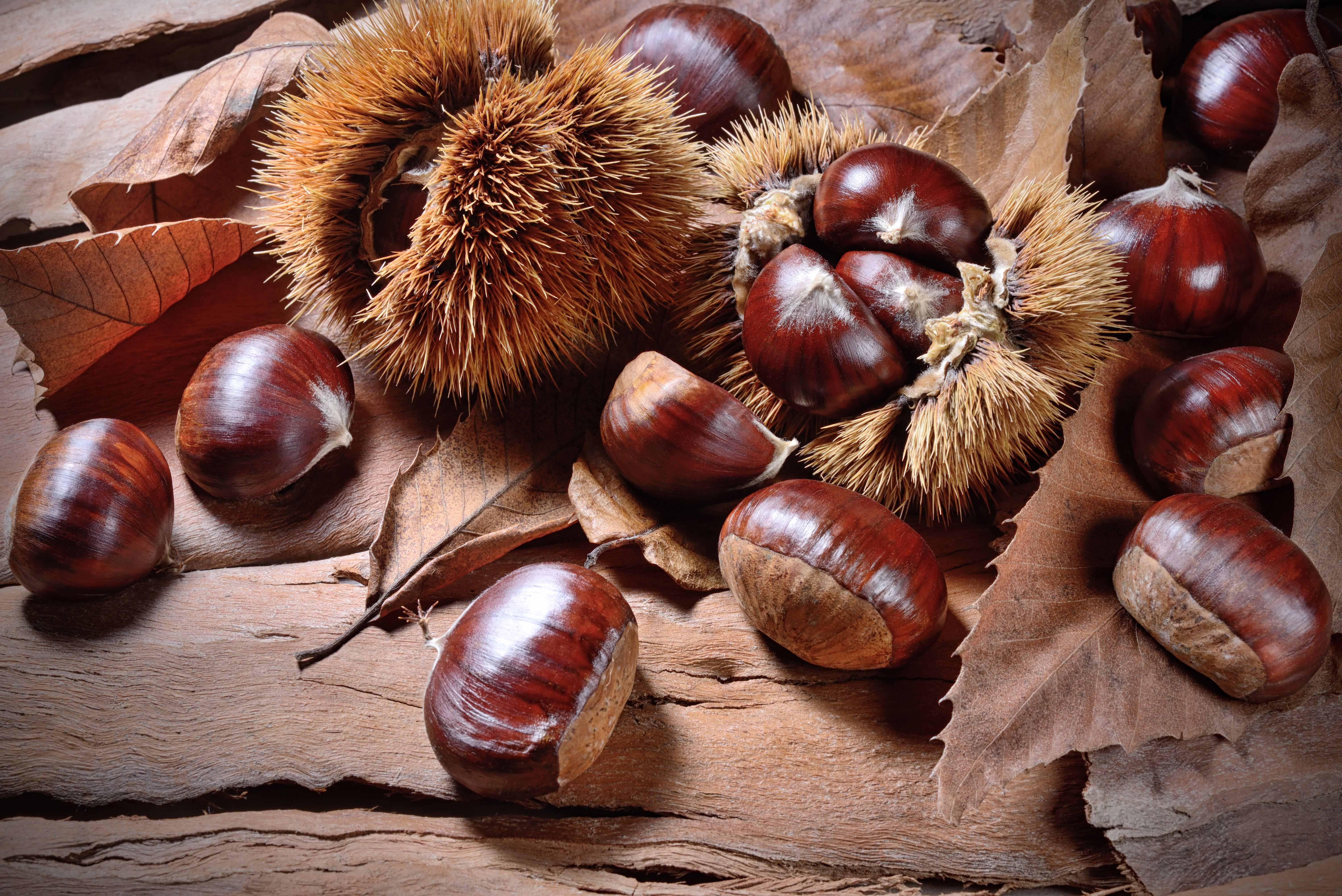
Chestnut trees are beautiful, long-lived trees that produce not only delicious nuts but also valuable shade and wildlife habitat. Whether you’re growing American, Chinese, or hybrid varieties, knowing how to fall prune chestnut trees is one of the best ways to keep your orchard healthy and productive year after year.
In this guide, you’ll learn exactly why fall pruning is the best time, how to prune chestnut trees correctly, and where to buy quality chestnut trees online from Ty Ty Nursery — trusted by growers nationwide since 1978.
🌿 Why Chestnut Trees Need Pruning
Like most fruit and nut trees, chestnuts benefit from annual pruning. Over time, unpruned trees become tangled, crowded, and less productive. Branches begin shading one another, reducing air circulation and slowing nut development.
Pruning helps maintain a strong structure, improves sunlight penetration, and encourages new, vigorous growth where nut-bearing branches can form. It also removes diseased or damaged wood that could spread problems through the canopy.
🍂 Why Fall Is the Best Time to Prune Chestnut Trees
While light pruning can be done in spring or summer, fall pruning offers major advantages for both you and your trees:
- Natural slowdown: Once the leaves drop, the tree enters dormancy, making it easier to see structure and shape without stressing the tree.
- Cleaner cuts and healing: Cooler temperatures and slower sap flow reduce the risk of pest or disease entry through pruning wounds.
- Winter prep: Removing weak or broken branches before snow or ice prevents limb breakage and long-term damage.
- Better spring growth: By pruning in fall, the tree redirects energy to root and bud development, leading to stronger new shoots in spring.
✂️ Step-by-Step: How to Fall Prune Chestnut Trees
Pruning chestnuts doesn’t have to be complicated. Follow these steps to safely and effectively prune your trees this fall:
1. Gather the Right Tools
Use a pair of sharp pruning shears for small branches, a lopper for medium ones, and a pruning saw for thicker limbs. Always sanitize your tools between trees to avoid spreading disease.
2. Remove Dead or Diseased Wood
Start by cutting away any branches that are clearly dead, dying, or damaged. Look for signs of cankers, cracks, or discoloration. Removing these branches prevents rot from spreading and improves overall health.
3. Thin Out Crowded Branches
Open up the canopy by removing any crossing, rubbing, or inward-growing branches. A good rule of thumb is that sunlight should be able to reach most of the interior leaves once you’re finished.
4. Maintain the Central Leader Shape
Chestnut trees naturally grow with a strong central leader — a main vertical trunk with lateral branches extending outward. Choose one dominant leader and prune competing upright shoots. This keeps the tree stable and wind-resistant.
5. Shorten Overly Long Branches
If certain limbs have grown too long or heavy, cut them back to a smaller side branch or bud pointing outward. This keeps the tree’s shape balanced and prevents breakage under nut loads.
6. Clean Up Root Suckers and Water Sprouts
Remove any shoots growing from the tree’s base or along the trunk. These suckers steal nutrients from the main tree and can weaken overall growth.
7. Sanitize and Mulch
After pruning, clear away all branches and debris. Apply a light mulch layer around the base to protect roots over winter and retain soil moisture.
🌞 After-Pruning Care Tips
Once pruning is complete, give your chestnut trees a little post-prune care:
- Water well before the first frost to prevent winter drought stress.
- Do not fertilize in late fall — wait until early spring for balanced fertilizer.
- Inspect the bark for insect borers or scale before winter and treat if needed.
🌾 Common Chestnut Pruning Mistakes to Avoid
- Pruning too late in winter when sap is rising.
- Cutting into the branch collar — always make clean cuts just outside it.
- Leaving stubs or rough edges that won’t heal properly.
- Over-pruning more than 25–30% of the canopy in one season.
🌰 Benefits of Fall Pruning Chestnut Trees
By pruning your chestnut trees each fall, you’ll enjoy:
- Healthier, more productive trees
- Stronger structure and fewer broken limbs
- Increased nut production and quality
- Reduced disease and pest problems
- A cleaner, more attractive orchard
🌳 Where to Buy Chestnut Trees Online
Looking to plant new chestnut trees or replace older ones? The best place to buy high-quality trees is Ty Ty Nursery.
Since 1978, Ty Ty Nursery has shipped premium fruit and nut trees to growers nationwide, backed by:
- Free 1-Year Plantsurance™ Guarantee — store credit if your tree doesn’t survive.
- Lifetime True-to-Name Guarantee — refund, replacement, or credit if a variety is incorrect.
- Fastest shipping in the industry — most orders ship the next business day.
- Zone Finder Tool to match the perfect chestnut variety to your location.
Whether you’re planting American, Chinese, Colossal, or Revival Chestnut trees, Ty Ty Nursery is your trusted source for healthy, true-to-name trees that thrive. Visit www.TyTyGa.com to explore our full selection.
🌳 Final Thoughts
Pruning chestnut trees each fall is a simple, worthwhile step that pays off for decades. By removing deadwood, improving structure, and encouraging light and air flow, your trees will grow stronger, produce better nuts, and resist disease naturally.
When you’re ready to grow or expand your orchard, trust Ty Ty Plant Nursery — the nation’s reliable source for chestnut trees, nut trees, and fruiting plants since 1978. Zero Stress, All Success™.

Leave a Reply