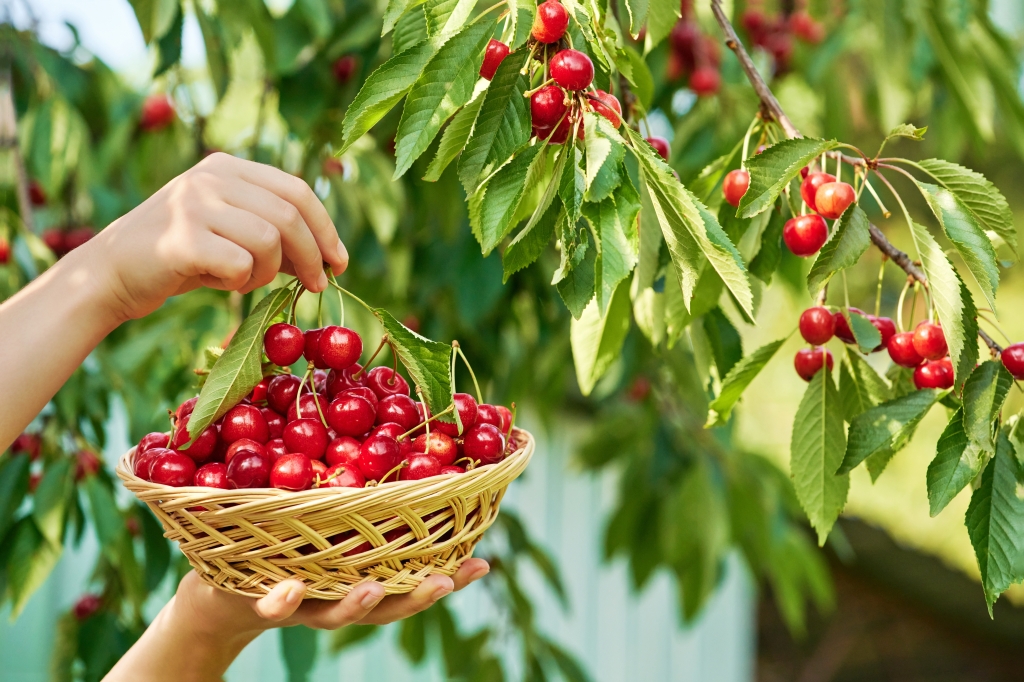
Cherry trees are one of the most beautiful and rewarding fruit trees you can grow. Between their spring blossoms and summer harvests, they add both beauty and flavor to your garden. But to keep them healthy and productive year after year, proper pruning is essential. Knowing how to fall prune cherry trees ensures better airflow, stronger branches, and a more abundant fruit set next season.
In this guide, we’ll walk you through why fall is the best time to prune cherry trees, how to do it step-by-step, and where to buy quality cherry trees online from Ty Ty Nursery, America’s trusted nursery since 1978.
🌿 Why Prune Cherry Trees?
Like most fruit trees, cherry trees need regular pruning to stay healthy. Left untrimmed, they can become overgrown and tangled, making them more vulnerable to pests, fungal infections, and broken limbs. Pruning helps:
- Improve sunlight penetration and air circulation
- Encourage new fruit-bearing wood
- Remove dead or diseased branches
- Shape the canopy for easier harvesting
- Prevent overcrowding and rubbing limbs
🍂 Why Fall Is the Best Time to Prune Cherry Trees
Fall pruning sets your cherry trees up for success before winter dormancy. Here’s why it’s the perfect time:
- Less stress on the tree: After the growing season, energy has moved from the leaves to the roots. Pruning in fall won’t interrupt new growth.
- Easier to see the structure: With leaves dropping, it’s simple to spot dead, damaged, or crossing branches.
- Disease control: Removing weak or infected branches reduces the chance of fungal spread over winter.
- Better shape for spring: Your tree will have a clean structure ready to push healthy, new shoots in spring.
While spring and early summer pruning are also beneficial for shaping, fall pruning focuses on preparing your tree for winter protection and long-term health.
✂️ Step-by-Step: How to Fall Prune Cherry Trees
Follow these steps to safely and effectively prune your cherry trees this fall:
1. Gather the Right Tools
Use clean, sharp pruning shears for small branches and a pruning saw for thicker ones. Always sanitize your tools between cuts to prevent disease transmission.
2. Identify and Remove Dead or Diseased Wood
Start by removing branches that are dead, cracked, or show signs of disease (blackened bark, cankers, or sap oozing). Dispose of these trimmings away from the garden to avoid reinfection.
3. Eliminate Crossing or Rubbing Branches
Branches that rub together can create open wounds where bacteria enter. Choose one of the crossing limbs to keep and remove the other to improve airflow.
4. Thin Out Overcrowded Branches
Too many interior branches can cause shade and poor fruit production. Thin the canopy so light and air can reach every branch. Aim for a balanced shape where no two limbs compete for the same space.
5. Maintain the Central Leader or Open Vase Shape
Cherry trees are typically trained into one of two shapes: a central leader (one main trunk with evenly spaced side branches) or an open vase (three to five strong main limbs spreading outward). Stick with your chosen structure by cutting back competing leaders or upright shoots.
6. Shorten Long, Weak Branches
Cut back overextended branches to a strong outward-facing bud or side shoot. This helps your tree maintain strength and balance during windy or heavy fruiting seasons.
7. Clean Up Around the Base
Remove any suckers or water sprouts growing from the base of the trunk or along the main branches. These fast-growing shoots drain nutrients from productive wood.
8. Finish with a Sanitation Check
Rake up and dispose of fallen leaves, branches, or old fruit around your tree. This prevents overwintering pests and fungal spores from sticking around.
🌞 After-Pruning Care
After pruning, water your cherry trees deeply if fall rains are light. Avoid fertilizing until early spring. A thick layer of mulch around the base helps protect roots during freezing temperatures — just be sure not to pile mulch against the trunk.
🚫 Common Cherry Pruning Mistakes to Avoid
- Pruning too early (before leaves drop)
- Removing too much live wood at once
- Leaving jagged or torn cuts
- Over-thinning the canopy
- Skipping tool cleaning — it spreads disease quickly!
🍒 Benefits of Fall Pruning Cherry Trees
- Improves airflow and sunlight exposure
- Prevents fungal diseases
- Encourages new fruit-bearing wood
- Protects trees from winter storm damage
- Creates a balanced, attractive shape
By pruning cherry trees in fall, you’re setting them up for a more vigorous bloom and heavier fruit set next season.
🌳 Where to Buy Cherry Trees Online
Looking to add new cherry trees to your orchard? The best place to buy premium, healthy trees online is Ty Ty Nursery.
Since 1978, Ty Ty Nursery has shipped high-quality fruit trees nationwide — backed by unbeatable service and guarantees:
- Free 1-Year Plantsurance™ Guarantee — store credit if your plant doesn’t survive
- Lifetime True-to-Name Guarantee — refund, replacement, or credit if a variety isn’t correct
- Fastest shipping in the industry — most orders ship the next business day
- USDA Zone Finder Tool — helps you choose varieties perfect for your climate
From sweet varieties like Bing and Black Tartarian to tart selections like Montmorency, Ty Ty Nursery offers the best selection for home growers and orchardists alike.
🌾 Final Thoughts
Fall pruning is one of the simplest and most effective ways to keep your cherry trees beautiful, balanced, and bountiful. By trimming old and weak growth before winter, you’ll encourage healthier blossoms and a more abundant harvest next year.
When it’s time to buy new cherry trees, trust Ty Ty Nursery — where every plant is backed by 45+ years of growing expertise, superior quality, and our Zero Stress. All Success.™ promise.

 Ty Ty Plant Nursery's Blog
Leave a comment