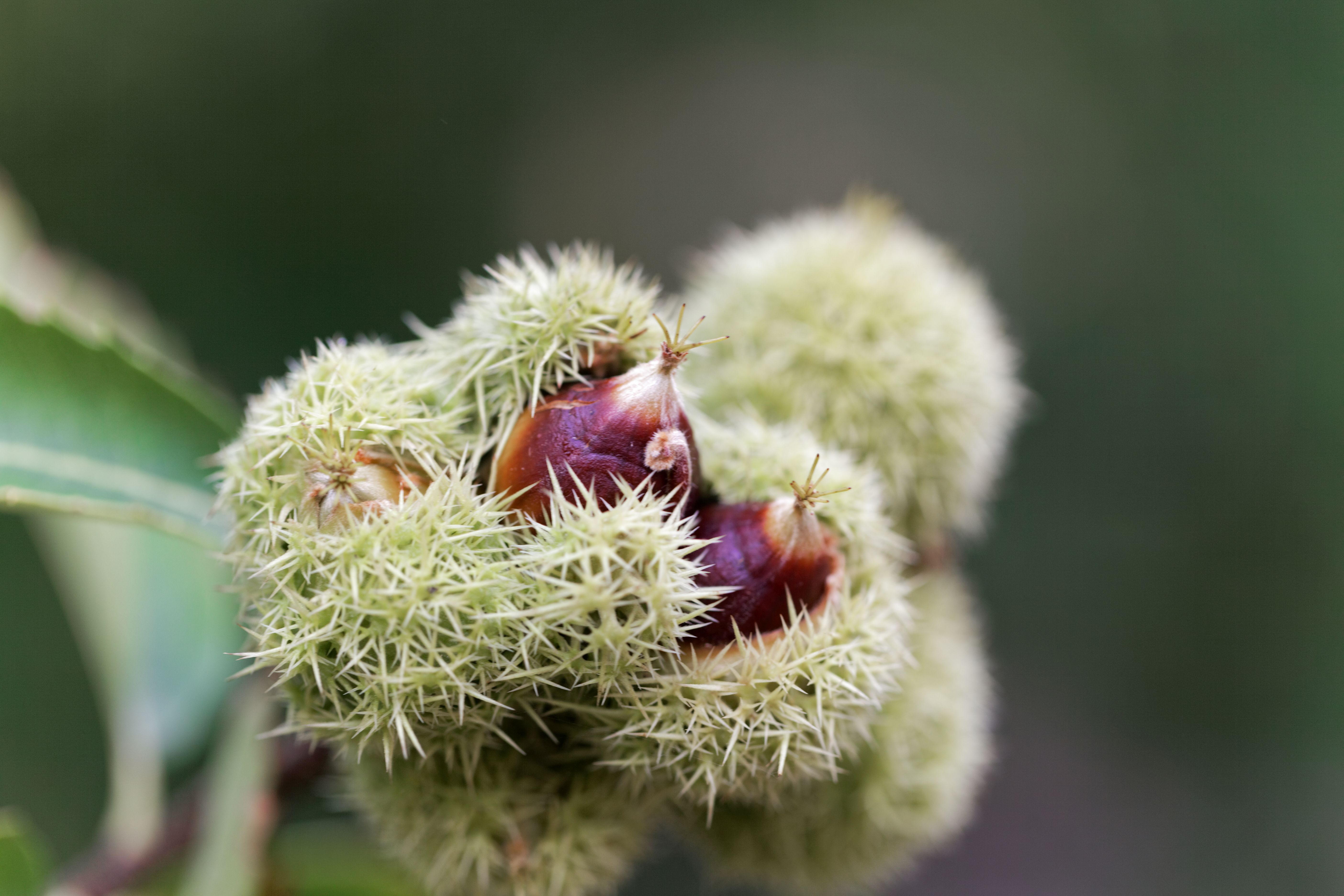
Chinquapin trees are a prized native nut tree across the South and Eastern U.S., known for their sweet, chestnut-like nuts and excellent wildlife value. These hardy trees can live for decades when properly maintained, and one of the best ways to keep them thriving is by learning how to fall prune chinquapin trees. Pruning helps create a stronger structure, better nut production, and healthier growth year after year.
In this easy guide, we’ll explain why fall is the best time to prune chinquapin trees, provide step-by-step pruning instructions, and show you where to buy premium chinquapin trees online from Ty Ty Nursery, America’s trusted mail-order nursery since 1978.
🌿 Why Prune Chinquapin Trees?
Pruning isn’t just for fruit trees—nut trees like chinquapins benefit just as much. Without regular trimming, trees can become crowded, shaded, and vulnerable to disease. Annual pruning keeps the canopy open, stimulates productive new wood, and encourages healthy nut development.
Regular pruning helps:
- Improve air circulation and sunlight penetration
- Remove dead, diseased, or damaged limbs
- Promote stronger, more balanced branch structure
- Increase nut yield and quality
- Reduce pest and fungal problems
🍂 Why Fall Is the Best Time to Prune Chinquapin Trees
Many gardeners wonder when to prune their chinquapin trees—spring, summer, or fall. While light trimming can be done any time, fall pruning offers distinct advantages once the growing season ends:
- Trees are entering dormancy: After leaf drop, growth slows and pruning stress is minimal.
- Easier visibility: With fewer leaves, you can clearly see the branch structure and identify limbs that need removal.
- Disease prevention: Removing dead wood in fall stops overwintering fungi and insects.
- Safer in cold weather: Cooler temperatures reduce sap bleeding and sunscald risk on fresh cuts.
- Prepares for spring growth: Trees focus energy on healthy new shoots when dormancy breaks.
Pruning in late fall (after leaf drop but before deep winter) helps the tree rest, repair, and redirect resources efficiently.
✂️ Step-by-Step: How to Fall Prune Chinquapin Trees
1. Gather Your Tools
Use sharp hand pruners for small twigs, loppers for mid-sized limbs, and a pruning saw for thicker branches. Always disinfect blades between cuts with rubbing alcohol to prevent spreading disease.
2. Inspect the Tree’s Structure
Start by stepping back and observing the shape. Chinquapins naturally grow with a rounded crown or single main leader. Your goal is to maintain that shape while removing crowding and weak limbs.
3. Remove Dead or Diseased Wood
Cut away any dead, broken, or infected branches back to healthy wood. Look for gray, brittle limbs or those showing signs of canker or rot. Dispose of infected debris away from the planting area.
4. Thin the Canopy
Open the interior by removing crossing or inward-growing branches. Aim for even spacing between major limbs so sunlight and air can reach every part of the tree.
5. Shorten Overlong Branches
Trim back overly long or heavy limbs to a strong side branch or outward-facing bud. This keeps the crown balanced and prevents breakage from wind or heavy nut loads.
6. Remove Suckers and Water Sprouts
Cut off fast-growing shoots that sprout from the base or along main branches. These draw energy away from nut-producing wood.
7. Clean Up and Mulch
Rake up trimmings and old leaves from around the tree base to prevent pests. Then apply a light layer of organic mulch to protect roots and conserve moisture through winter.
🌞 After-Pruning Care Tips
- Water deeply before the ground freezes, especially during dry falls.
- Do not fertilize until spring; fresh fertilizer can encourage untimely growth.
- In colder zones, add extra mulch or wrap young trunks to prevent freeze injury.
🚫 Common Pruning Mistakes to Avoid
- Removing more than 25–30 percent of branches in one season
- Leaving rough or torn cuts instead of clean ones
- Skipping tool sanitation between trees
- Pruning too early before dormancy begins
- Leaving stubs that invite decay
🌰 Benefits of Fall Pruning Chinquapin Trees
With proper fall pruning, you’ll notice stronger growth, fewer disease issues, and heavier nut production. The canopy will look cleaner and healthier, and the tree will better withstand wind and storms.
- Better nut yield and quality
- Improved sunlight and airflow
- Reduced pest and fungal risk
- Stronger limb structure
- Enhanced appearance and longevity
🌳 Where to Buy Chinquapin Trees Online
If you’re looking to add or replace chinquapin trees, the best source is Ty Ty Nursery. Since 1978, Ty Ty Nursery has supplied growers nationwide with healthy nut, fruit, and shade trees backed by unbeatable guarantees:
- Free 1-Year Plantsurance™ Guarantee — store credit if your plant doesn’t survive
- Lifetime True-to-Name Guarantee — refund, replacement, or credit if the variety is incorrect
- Fastest shipping in the industry — most orders ship the next business day
- USDA Zone Finder Tool — recommends the best varieties for your location
Whether you’re planting Allegheny Chinquapin for wildlife habitat or nut production, Ty Ty Nursery has the strongest seedlings and the best prices — all delivered fresh to your door.
🌾 Final Thoughts
Fall pruning is one of the simplest ways to keep chinquapin trees healthy, beautiful, and productive. A few careful cuts this season lead to a lifetime of stronger trees and better nut harvests.
When you’re ready to expand your orchard or plant a new wildlife grove, order from Ty Ty Nursery — trusted by growers for over 45 years. Zero Stress. All Success.™

Leave a Reply