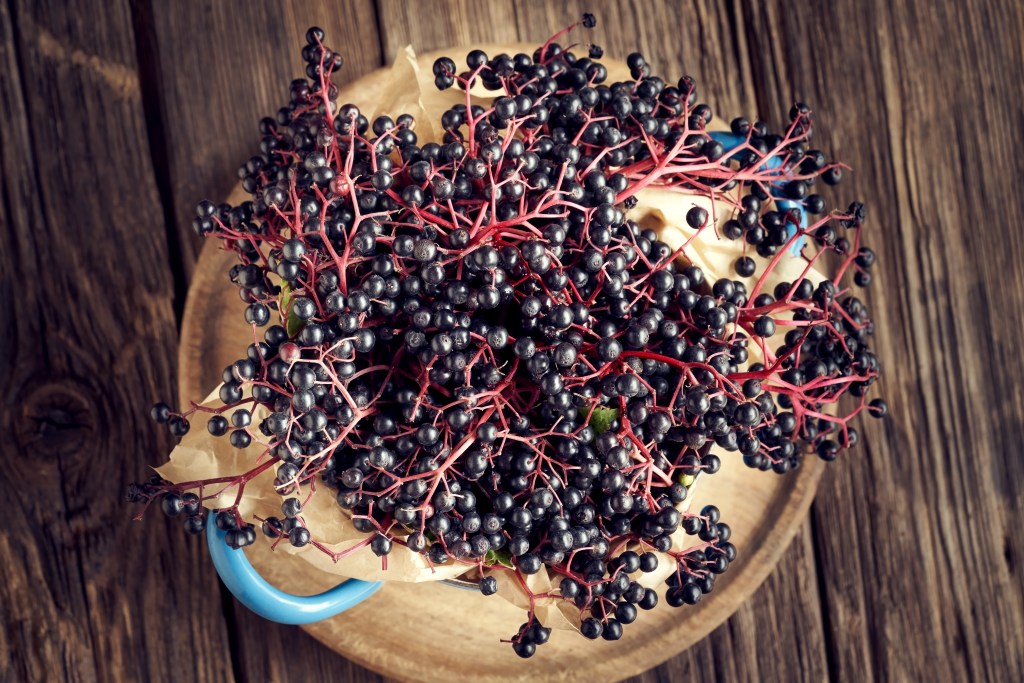
Elderberry plants have become a staple in home gardens across the country — prized for their clusters of dark, vitamin-rich berries that can be used for syrup, jam, or even homemade wine. These fast-growing shrubs are hardy and productive, but like all fruiting plants, they need a little maintenance each year. Learning how to fall prune elderberry plants is one of the easiest and most effective ways to keep them thriving for decades.
In this guide, we’ll explain why fall is the best time to prune elderberries, give you step-by-step pruning instructions, and share where to buy healthy elderberry plants online from Ty Ty Nursery, America’s trusted mail-order nursery since 1978.
🌱 Why Prune Elderberry Plants?
Elderberries grow quickly and produce on young canes, typically one to three years old. Without pruning, they can become overcrowded, tangled, and less productive. Annual pruning helps your plant stay vigorous and keeps the harvest coming year after year.
Here’s why pruning matters:
- Encourages new growth for next year’s berries
- Improves air circulation and sunlight penetration
- Prevents disease and insect buildup
- Shapes plants for easier harvest and maintenance
- Increases berry yield and quality
🍂 Why Fall Is the Best Time to Prune Elderberry Plants
While elderberries can be pruned in late winter or early spring, fall pruning offers unique advantages, especially for gardeners in mild climates. Here’s why fall is ideal:
- Plants enter dormancy: After the leaves drop, elderberries slow down and redirect energy to their roots, making fall pruning less stressful.
- Better visibility: Without dense foliage, it’s easier to see the structure and identify which canes to remove.
- Prevents disease: Pruning out old or dead wood before winter removes places where pests and fungi might overwinter.
- Prepares for strong spring growth: Clean, pruned plants wake up in spring ready to send out healthy, fruit-bearing shoots.
By pruning in fall, you’re setting the stage for a bigger, healthier berry crop next season.
✂️ Step-by-Step: How to Fall Prune Elderberry Plants
Pruning elderberries doesn’t take long, but it’s important to know what to cut and what to keep. Follow these simple steps to get the best results:
1. Gather the Right Tools
You’ll need a pair of sharp pruning shears or loppers for thicker canes, gloves, and rubbing alcohol or a bleach solution to disinfect tools between plants.
2. Identify Cane Ages
Elderberries produce best on 1- and 2-year-old canes. Older canes (3 years and up) tend to lose vigor and produce fewer berries. Younger canes are smooth and light-colored, while older canes are woody, darker, and often cracked.
3. Remove Dead, Damaged, or Diseased Wood
Start by cutting away any canes that are broken, dead, or diseased. This immediately improves airflow and stops infections from spreading.
4. Thin Out Old Canes
Next, remove about one-third of the oldest, thickest canes all the way to the ground. This makes space for new shoots to grow in spring.
5. Leave Strong New Canes
Keep 6–8 of the healthiest, most upright new canes for next year’s production. These should be evenly spaced and strong enough to support fruit clusters.
6. Shorten Tall or Leaning Canes
If some canes are much taller than the rest, trim them back slightly to maintain a uniform height. This keeps plants balanced and easier to harvest.
7. Clean the Base Area
Rake up all fallen leaves, branches, and debris around the plant base. Removing organic material helps prevent disease and insect problems during winter.
8. Mulch and Water
After pruning, apply 2–3 inches of mulch (pine straw, bark, or compost) to protect roots and regulate moisture. Water thoroughly to help the plant recover before dormancy.
🌞 After-Pruning Care
- Do not fertilize after pruning — wait until early spring to feed.
- Inspect plants occasionally through winter for pest activity.
- In colder regions, protect the base with extra mulch to prevent freeze damage.
🚫 Common Elderberry Pruning Mistakes
- Pruning too early, before dormancy
- Cutting off all new canes — those produce next year’s fruit!
- Leaving too many old canes that shade out new growth
- Failing to disinfect pruning tools
- Neglecting to clean fallen debris around the base
🌿 Benefits of Fall Pruning Elderberry Plants
- Healthier, more productive shrubs
- Improved sunlight and airflow
- Less disease and pest pressure
- Stronger spring growth
- Bigger, sweeter berry harvests
Fall pruning also keeps your elderberry patch tidy and beautiful through the off-season.
🌳 Where to Buy Elderberry Plants Online
If you’re looking to expand your berry garden, the best place to buy healthy elderberry plants online is Ty Ty Nursery. Since 1978, Ty Ty Nursery has shipped high-quality fruiting plants nationwide — backed by the industry’s best guarantees:
- Free 1-Year Plantsurance™ Guarantee — store credit if your plant doesn’t survive
- Lifetime True-to-Name Guarantee — refund, replacement, or credit if a plant isn’t correct
- Fastest shipping in the industry — most orders ship the next business day
- USDA Zone Finder Tool — automatically recommends the best plants for your zip code
From American to European elderberry varieties, Ty Ty Nursery offers the best selection for both gardeners and homesteaders. Visit www.TyTyGa.com to browse all varieties today.
🌾 Final Thoughts
Fall pruning is one of the simplest ways to keep elderberry plants strong and fruitful. By removing old, weak canes now, you’ll give your plants the best chance to thrive and produce a heavier berry crop next season.
When it’s time to buy new elderberry plants, trust Ty Ty Nursery — where 45+ years of expertise, unbeatable prices, and our Zero Stress. All Success.™ promise make growing easier than ever.

 Ty Ty Plant Nursery's Blog
Leave a comment