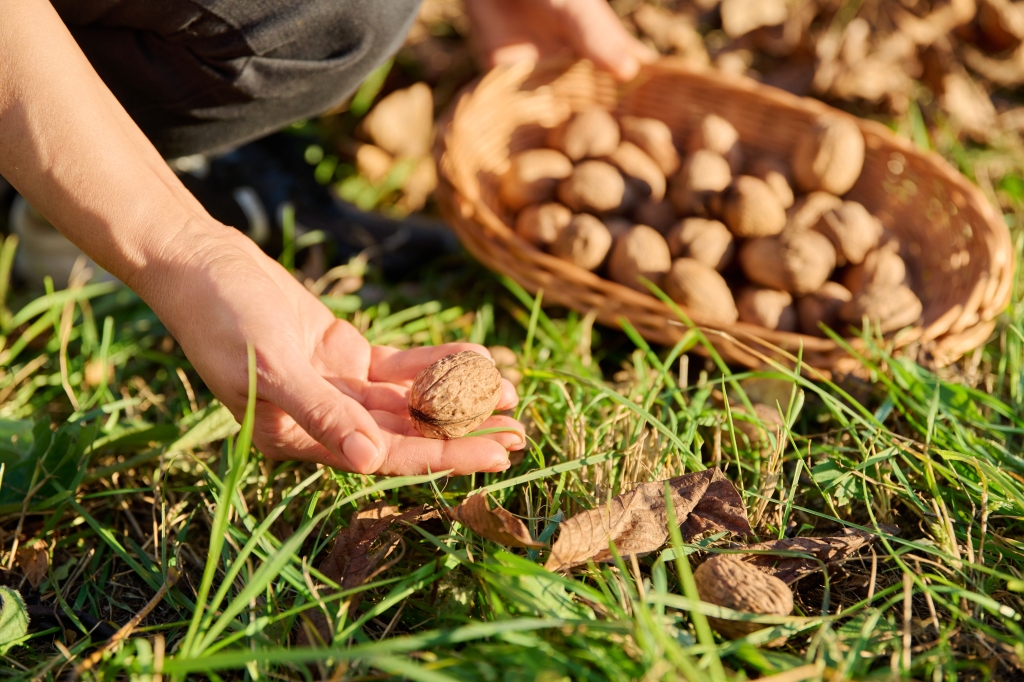
Walnut trees are prized for their beautiful wood and delicious, protein-packed nuts. Whether you’re growing English Walnuts for eating or Black Walnuts for their hardy rootstock and shade, proper care keeps them healthy and productive. One of the most important maintenance tasks is pruning. Knowing how to fall prune walnut trees ensures your trees stay balanced, disease-free, and capable of producing larger, higher-quality nuts year after year.
In this detailed guide, we’ll explain why fall is the best time to prune walnut trees, walk through a simple step-by-step pruning process, and share where to buy top-quality walnut trees online from Ty Ty Nursery — trusted by growers nationwide since 1978.
🌿 Why Prune Walnut Trees?
Walnut trees can live for decades and reach massive sizes, but without regular pruning, they can become tangled, top-heavy, and prone to branch breakage. Pruning helps establish a strong structure early on and maintains healthy growth as the tree matures.
Here are the main benefits of pruning walnut trees:
- Improves airflow and sunlight penetration throughout the canopy
- Encourages strong limb structure and balanced growth
- Promotes consistent nut production
- Prevents disease and pest buildup
- Reduces risk of wind damage or limb breakage
Pruning also helps maintain an ideal shape that makes harvesting easier and keeps your orchard looking well-kept.
🍂 Why Fall Is the Best Time to Prune Walnut Trees
While light trimming can be done in spring or summer, fall pruning is often the best time for major shaping and maintenance, especially once the leaves begin to drop. As the tree enters dormancy, its growth slows, and pruning becomes less stressful.
- Less sap flow: In fall, walnut trees stop pushing sap upward, preventing excess bleeding from cuts.
- Better visibility: With leaves gone, it’s easier to see the structure and identify weak or overcrowded branches.
- Disease prevention: Removing dead or infected wood before winter reduces pests and fungal problems.
- Prepares for spring growth: Clean, well-pruned trees store energy efficiently, leading to strong new growth next year.
Fall pruning sets your walnut trees up for a healthier, more productive growing season once spring returns.
✂️ Step-by-Step: How to Fall Prune Walnut Trees
Walnut trees are tough and adaptable, but careful pruning helps them reach their full potential. Here’s how to prune them step by step:
1. Gather Your Tools
You’ll need a sharp pair of pruning shears for small branches, loppers for medium limbs, and a pruning saw for thicker wood. Always disinfect tools with rubbing alcohol or a bleach solution to prevent spreading disease between trees.
2. Inspect the Tree
Start by studying your tree’s structure. Mature walnuts typically have a strong central leader (main trunk) with lateral branches that form the canopy. The goal is to maintain this shape by removing weak or unnecessary growth.
3. Remove Dead or Diseased Wood
Cut away any dead, damaged, or diseased branches first. Dead wood looks dry, cracked, or gray compared to healthy, flexible branches. Removing these areas prevents rot and improves air circulation.
4. Eliminate Crossing or Crowded Branches
Branches that rub or cross can wound the bark and invite infection. Remove the weaker or inward-growing branch to open up the canopy and allow light to reach the interior limbs.
5. Thin the Canopy
Walnuts can grow dense, leafy canopies that block sunlight. Selectively thin interior branches so that sunlight can reach the lower limbs. This helps with nut development and reduces humidity-related fungal diseases.
6. Shorten Long or Heavy Limbs
Trim overly long branches back to a strong side shoot or bud. This reduces the risk of limbs breaking under the weight of heavy nut clusters or strong winds.
7. Remove Suckers and Water Sprouts
Cut off any shoots growing from the trunk base or root zone (suckers) as well as fast-growing vertical shoots on the upper limbs (water sprouts). These divert energy away from productive branches.
8. Clean the Ground
After pruning, rake up and dispose of fallen twigs, leaves, or nuts around the tree’s base. This helps prevent overwintering insects or fungal spores from re-infecting the tree.
🌞 After-Pruning Care
- Water deeply before the ground freezes to help the tree store moisture for winter.
- Apply a fresh 2–3 inch layer of mulch around the base to insulate roots and retain soil moisture.
- Do not fertilize immediately after pruning — wait until spring to feed the tree.
🚫 Common Walnut Pruning Mistakes
- Pruning too early before the tree goes dormant
- Removing too much growth (never remove more than one-third of the canopy at once)
- Leaving jagged or torn cuts that invite rot
- Failing to disinfect tools between trees
- Neglecting to remove base suckers and crossing branches
Benefits of Fall Pruning Walnut Trees
Consistent fall pruning offers long-term benefits, including:
- Healthier, more balanced trees
- Improved sunlight and airflow through the canopy
- Reduced disease and pest pressure
- Higher-quality nuts and heavier yields
- Stronger, more resilient limbs
Fall pruning helps keep your walnut trees productive and beautiful year after year.
🌳 Where to Buy Walnut Trees Online
If you’re ready to plant or expand your orchard, the best place to buy healthy, true-to-name walnut trees is Ty Ty Nursery. Since 1978, Ty Ty has shipped premium fruit and nut trees nationwide — backed by unbeatable quality and customer care.
- Free 1-Year Plantsurance™ Guarantee — store credit if your plant doesn’t survive
- Lifetime True-to-Name Guarantee — refund, replacement, or credit if mislabeled
- Fastest shipping in the industry — most orders ship the next business day
- USDA Zone Finder Tool — helps you select the best varieties for your region
From Black Walnut and English Walnut to hybrid and grafted varieties, Ty Ty Nursery has the perfect walnut trees for home growers and commercial farms alike. Visit www.TyTyGa.com to order today.
🌾 Final Thoughts
Fall pruning is one of the best ways to care for your walnut trees. By removing weak and crowded branches before winter, you encourage stronger growth, better airflow, and higher nut yields next year. With consistent care, your trees will remain healthy and productive for generations.
When it’s time to grow or expand your orchard, trust Ty Ty Nursery — where 45+ years of experience, superior quality, and guaranteed success make us America’s go-to source for nut trees. Zero Stress. All Success.™

 Ty Ty Plant Nursery's Blog
Leave a comment