
Everyone loves the idea of plucking a fresh, sun-warmed grape right off the vine. It feels like you have captured a little bit of Mediterranean magic in your own backyard. But before you start digging holes and building trellises, you face a big decision. You need to choose the right type of vine for your garden goals. This brings us to the big showdown of table grapes vs. wine grapes—what should you grow?
Most people assume a grape is just a grape. You might think they all taste sweet and pop pleasantly in your mouth. That assumption could lead to a very sour surprise if you bite into a Cabernet Sauvignon berry expecting a Concord flavor explosion. Let’s explore the unique characteristics of each grape family.
The Great Taste Test
The most obvious difference hits you the moment you take a bite. Table grapes are specifically bred for fresh eating. Growers prioritize texture, size, and sweetness above almost everything else. You want a satisfying crunch when you bite down. The skin needs to be thin enough to chew easily but tough enough to hold the juice inside.
Most modern table varieties have low acidity and high sugar content. They taste like candy because that is what consumers want. Think about the green Thompson Seedless or the red Flame Seedless you buy at the grocery store. They offer a mild, pleasant flavor that appeals to everyone from toddlers to grandparents.
Wine grapes tell a completely different story on your palate. Winemakers need intense, concentrated flavors to create a good vintage. These berries tend to be much smaller than their table cousins. Their small size means the ratio of skin to juice is higher.
Skins contain tannins, color compounds, and aroma chemicals. When you bite a wine grape, you get a mouthful of thick, chewy skin and seeds. The juice inside is incredibly sweet, much sweeter than table grapes, but it comes with high acidity. That acid balances the sugar during fermentation. Without it, wine would taste flat and flabby.
Understanding the Anatomy
Table grapes are the bodybuilders of the vineyard. They grow large and plump. Their physical structure encourages you to eat the whole thing without thinking twice. Breeders have worked hard to eliminate seeds from most popular table varieties.
We have become spoiled by seedless fruit. It makes snacking convenient and mess-free. Even older varieties with seeds usually have small, unobtrusive ones. The pulp inside is firm and crisp. It holds its shape even when you slice it for a fruit salad. Wine grapes look scrawny in comparison. They grow in tight, compact clusters that can fit in the palm of your hand. The berries themselves might be the size of blueberries. They have thick skins that contribute structure to the final wine.
Inside that small package, you find large, crunchy seeds. Those seeds contain a lot of bitter tannins. If you try to eat a handful of Merlot grapes, you would spend most of your time spitting out seeds and chewing tough skins. They are juicy, but the texture is slimy rather than crisp.
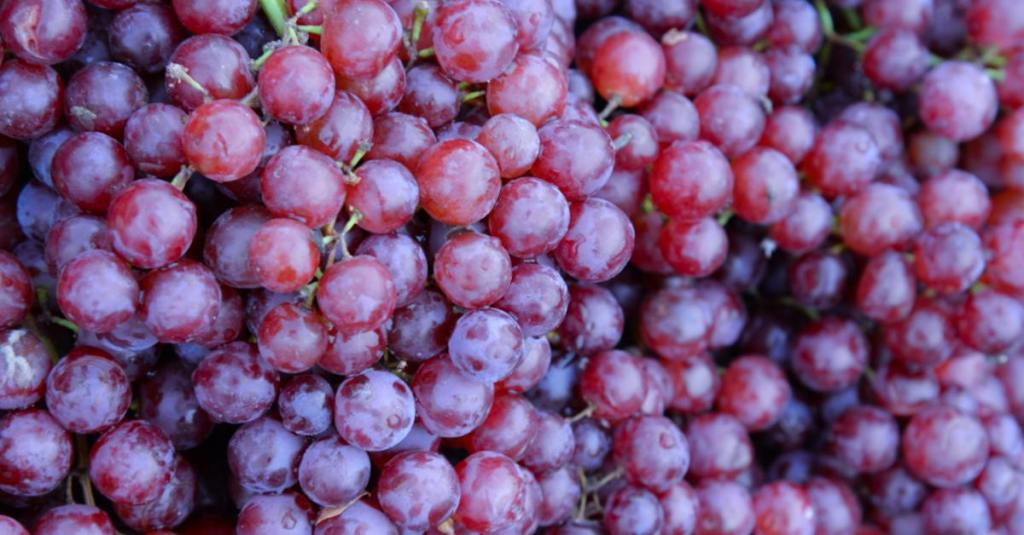
Differences in Cultivation
How you treat your vines determines the quality of your harvest. Table grape growers want abundance. They aim for large clusters with big berries. To achieve this, they leave more buds on the vine during pruning.
You also need to manage the canopy differently. Table grapes need protection from harsh direct sunlight to prevent sunburn on the delicate skins. A larger canopy of leaves helps shade the fruit. Water management is generous because you want those berries to swell up with juice.
Wine grapes thrive on struggle. It sounds counterintuitive, but stress makes better wine. Vintners limit water specifically to keep berries small. This concentrates the flavors and sugars. If a wine vine gets too much water, the berries swell, and the resulting wine tastes diluted.
Pruning for wine grapes is aggressive. You remove a lot of growth to force the plant’s energy into a smaller number of clusters. You also want plenty of sun exposure on the fruit itself. Sunlight helps develop the complex phenolic compounds that give wine its distinct character.
Climate Considerations
Your local weather plays a huge role in your success. Table grapes generally need a long, warm growing season to reach peak sweetness. They are a bit less fussy about specific soil types than wine grapes. However, they despise high humidity, which breeds fungal diseases.
Fungus can ruin the visual appeal of table fruit. No one wants to eat a grape covered in powdery mildew. Since you eat the skin, it needs to look appetizing. Gardeners in humid regions often struggle to keep table grapes looking pristine without heavy chemical intervention.
Wine grapes are incredibly sensitive to their specific microclimate, or “terroir.” Pinot Noir grown in a cool coastal valley tastes vastly different from Pinot Noir grown in a hot inland plain. Some varieties, like Riesling, demand cool nights to retain their acidity. Others, like Zinfandel, love the heat.
You have more flexibility with wine grapes regarding visual imperfections. A little bit of cosmetic damage on the skin might not matter once the fruit gets crushed and fermented. As long as rot hasn’t set in, ugly wine grapes can still make beautiful wine.
What Do You Want to Do with Your Harvest?
It’s easy to find grape vinesright now, so it’s the perfect time to decide which one you want. Be honest about your lifestyle. Do you want a quick, healthy snack for your kids? Table grapes are the clear winner. You can grow a single vine on an arbor and get plenty of fruit for fresh eating. They are also great for making jams and jellies.
If you dream of bottling your own vintage, you need wine grapes. However, don’t forget that making wine is a lot of work. You need equipment to crush, press, and ferment. You need space to age the wine in carboys or barrels. You also need volume. One vine won’t produce enough juice for a meaningful batch of wine. You typically need at least 20-30 vines to make the effort worthwhile. That requires significant garden space and maintenance time.

Making the Final Choice
Think about your space. Table grapes grow vigorously and can cover a pergola quickly. They provide excellent shade and aesthetic appeal. One or two vines can easily feed a family. If you have a large plot of land and a passion for fermentation, plant a small vineyard of wine grapes. Just remember that you are signing up for a hobby that extends far beyond gardening. You become a farmer and a winemaker simultaneously.
Consider your patience level. Table grapes offer instant gratification. You pick them, wash them, and eat them. Wine grapes require months or years of processing after the harvest before you can enjoy the fruits of your labor. Ultimately, deciding whether you should grow table grapes or wine grapes comes down to how you want to enjoy the fruit. Do you crave the crunch of a fresh snack or the complexity of a glass of wine?
Whatever you choose, growing grapes is rewarding. Watching those vines wake up in spring and push out green shoots is exciting. Seeing the clusters change color during veraison is beautiful, and tasting something you grew yourself is always the sweetest experience of all. So, grab a shovel and pick your vine. Your garden is ready for a delicious upgrade.

 Ty Ty Plant Nursery's Blog
Leave a comment