
Choosing the right blackberry variety for your garden can feel like a big decision. With so many options available, it’s easy to get quickly lost in the details. That’s why we’re here to help with this guide comparing thornless and traditional blackberry varieties. We’ll break down the differences, from growth habits to flavor, so you can pick the perfect plant for your backyard harvest.
The Classic Choice: Traditional Thorny Blackberries
For generations, blackberry foragers knew the sweet reward of fresh-picked fruit came with a price: scratches from thorny canes. These traditional varieties are the wild ancestors of the berries we cultivate today. Their robust nature and complex flavors have made them a garden staple for years. But modern horticulture has given us a less painful alternative, the thornless blackberry.
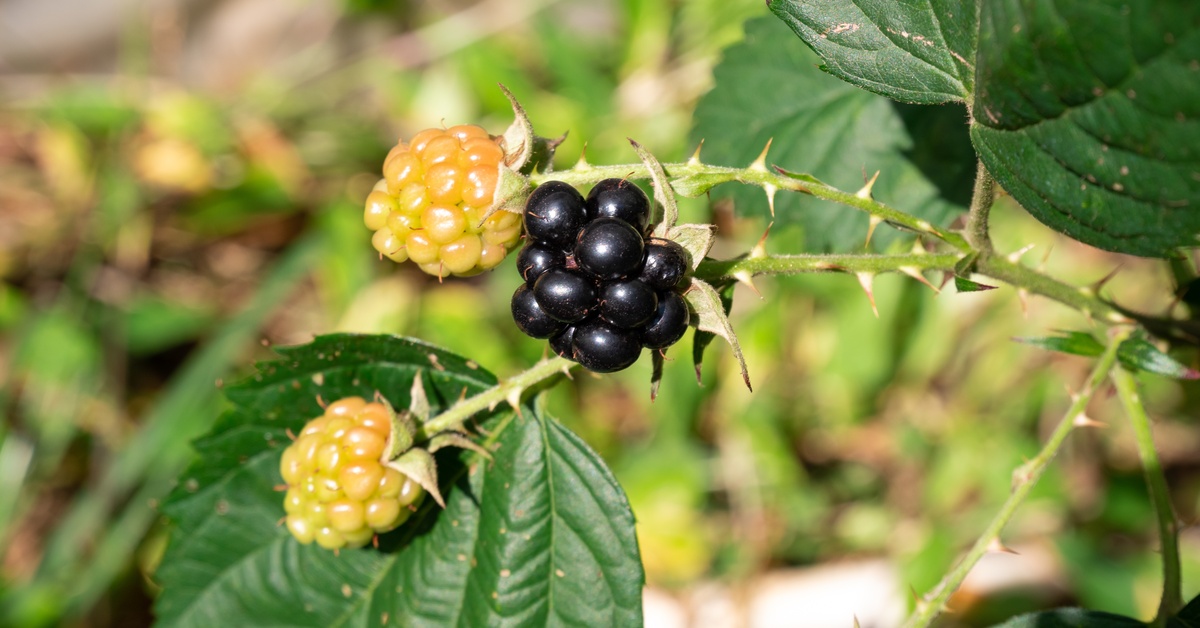
Thorny blackberries grow vigorously and tend to spread through suckers, which are new shoots that sprout from the root system. This growth habit means they can form dense, productive thickets over time. For a gardener who wants a large, naturalized patch of berries, this can be a welcome trait. These varieties have a reputation for their resilience. They can tolerate a wider range of soil conditions and sometimes show greater resistance to pests and diseases. Their thorny canes provide a natural defense against nibbling wildlife like rabbits and deer, which might see a smooth-caned plant as an easy meal.
The flavor profile of thorny blackberries is another point of pride. Many enthusiasts argue that they possess a richer, more complex taste. Their berries often have a perfect balance of sweet and tart, which makes them excellent for fresh eating, jams, and pies. This depth of flavor is one reason some growers remain loyal to the classic thorny types, despite the extra care they demand.
The Modern Marvel: Thornless Blackberry Varieties
The development of thornless blackberries was a game-changer for home gardeners. These varieties were bred to remove the sharp prickles from the canes, which makes pruning, training, and harvesting a much friendlier experience. You can work among the plants without the need for thick gloves and long sleeves.
Popular thornless cultivars include ‘Triple Crown’ and ‘Arapaho’. These plants typically have a more controlled growth habit than their thorny relatives. They are available in erect, semi-erect, and trailing types, which gives you more flexibility in how you manage them. An erect variety, for instance, can be grown with minimal support, while a trailing type is perfect for a trellis or fence.
This tidier growth makes them well-suited for smaller gardens or organized rows. Because they don’t sucker as aggressively, you spend less time trying to contain their spread. For anyone who values an orderly garden space, the predictable nature of a thornless variety is a definite plus.
Growth Habits and Trellising
The way a blackberry plant grows dictates how you’ll need to support it. Traditional thorny varieties are almost always erect or semi-erect. Their strong, self-supporting canes can grow quite tall, but they benefit from a simple trellis system to keep them from flopping over when heavy with fruit. A two-wire system is usually enough to keep the canes organized and accessible.
Thornless varieties, on the other hand, come in all three growth habits. Erect thornless types can stand upright on their own. Semi-erect varieties, such as ‘Triple Crown,’ have arching canes that need some guidance onto a trellis. Trailing varieties have long, flexible canes that must be trained onto a support structure to keep the fruit off the ground and improve air circulation.
The choice of trellis depends on the variety’s habit. A simple T-trellis works well for erect types, while a more elaborate fan or woven pattern on a flat trellis is ideal for trailing canes. The lack of thorns on thornless varieties makes the process of weaving and tying canes a simple, pain-free task.
Flavor, Size, and Yield: A Berry-to-Berry Showdown
Flavor is subjective, but there are some general differences between the two types. As mentioned, traditional thorny blackberries are celebrated for their intense, wild-berry taste. The fruit might be slightly smaller on average, but each berry packs a flavorful punch.
Thornless varieties have been carefully bred for size and sweetness. Cultivars like ‘Triple Crown’ produce huge, glossy black berries that are exceptionally sweet and juicy. Some connoisseurs find their flavor a bit milder than thorny types, but many people prefer the lower acidity and candy-like sweetness.
When it comes to yield, both types can be highly productive. A well-maintained patch thorny blackberries can produce an abundance of fruit. At the same time, a row of trellised thornless blackberries can yield gallons of berries per plant. With proper care, water, and sunlight, neither type will disappoint you at harvest time.
Pruning and Maintenance Differences
A thoughtful approach to comparing thornless and traditional blackberry varieties will guide you to the best fit for your space and lifestyle, which leads to years of delicious harvests. Pruning is a necessary task for all blackberry plants, but the experience differs greatly between thorny and thornless types. For thorny varieties, heavy-duty gloves and thick clothing are your best friends. The goal of pruning is to remove the old canes that have already fruited (called floricanes) and to thin out the new canes (primocanes) to encourage healthy growth and fruit production next season.
With thornless varieties, this job is much more pleasant. You can get right into the plant to make precise cuts without fear of getting scratched. The process is the same—remove old floricanes at their base and manage the new primocanes—but the lack of armor you’ll need makes it faster and more enjoyable.
Both types benefit from annual pruning right after the harvest is complete. This practice improves air circulation, which helps prevent fungal diseases. It also directs the plant’s energy into the canes that will bear fruit the following year.

Choosing Your Perfect Berry
Your final decision comes down to your personal priorities as a gardener. If you want the most authentic, rich blackberry flavor and don’t mind a bit of a battle with prickly canes, a traditional thorny variety might be for you. They are tough, reliable producers that connect you to the wild heritage of this wonderful fruit.
If your top concerns are ease of harvest, a tidy garden, and a kid-friendly patch, a thornless variety is the clear winner. You’ll get large, sweet berries with none of the hassle. No matter which path you choose, the reward of picking sun-warmed, juicy blackberries from your own garden is unmatched. Ready to plant your own? Browse our online nursery to find blackberry plants for sale for your garden and start planning for next summer’s harvest.

 Ty Ty Plant Nursery's Blog
Leave a comment