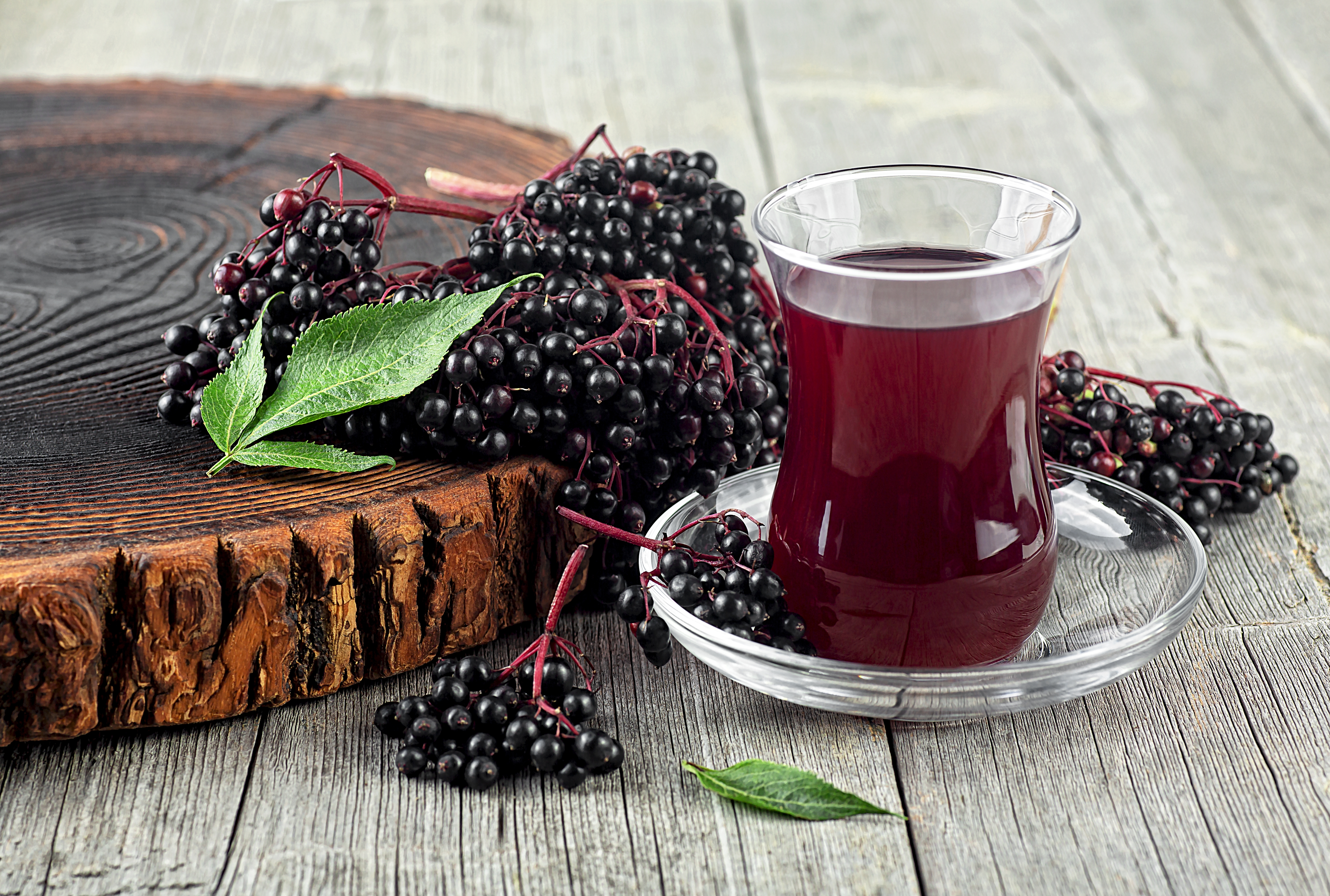
Elderberry plants are among the most adaptable and productive berry plants grown in home gardens and small orchards. Known for their fast growth, medicinal uses, and heavy fruiting once established, elderberries can thrive across a wide range of climates. While elderberry plants are naturally hardy, the final weeks of winter are an important transition period that can directly influence spring growth, flowering, and overall berry production.
Late winter is not a time to ignore elderberry plants. Even though they are dormant above ground, internal processes are already shifting as daylight increases and soil temperatures slowly rise. Addressing pruning, soil conditions, moisture management, and protection now can help elderberry plants enter spring strong, organized, and ready for a productive growing season.
Why Late Winter Care Matters for Elderberry Plants
Elderberry plants grow and fruit on both older and new wood, depending on the variety and growing conditions. Proper late winter care helps maintain a balance between vigorous new canes and productive older growth.
Late winter preparation helps:
- Encourage strong, upright cane growth
- Improve air circulation and sunlight exposure
- Reduce pest and disease pressure
- Support even bud break
- Increase flower and berry production
Neglecting this stage often results in overcrowded plants, weak growth, and reduced yields later in the season.
Inspect Elderberry Plants After Winter Weather
Begin by carefully inspecting your elderberry plants. Winter storms, wind, ice, and wildlife can all cause damage that may not be immediately obvious.
Look for broken, cracked, or dead canes, especially near the base of the plant. Check for signs of rodent damage or chewing along lower stems. Examine older canes for dieback or discoloration.
If damage is present, mark affected canes for removal during pruning. Removing damaged wood now helps prevent disease from spreading once growth begins.
Complete Dormant Pruning Before Spring Growth
Late winter is one of the best times to prune elderberry plants. Pruning while plants are dormant reduces stress and allows you to shape the plant for improved productivity.
Remove dead, damaged, or weak canes at ground level. Thin overcrowded areas so remaining canes have room to grow. For established plants, removing some of the oldest canes encourages fresh, vigorous growth that will support heavy berry production.
Elderberries respond well to pruning, and a properly pruned plant may look sparse at first—but this is exactly what promotes strong regrowth in spring.
Remove Old Leaves and Plant Debris
Old leaves, fallen berries, and plant debris around elderberry plants can harbor insects and disease organisms. Late winter cleanup is an important preventive step.
Remove debris from around the base of the plants and dispose of it away from the planting area. Clearing this material reduces the risk of fungal diseases and pest issues once temperatures warm.
A clean planting area also improves airflow and makes spring maintenance easier.
Evaluate Soil Drainage and Moisture Conditions
Elderberry plants prefer moist soil but do not tolerate prolonged standing water. Late winter is a good time to evaluate soil drainage before spring rains increase.
If water pools around the plants, gently improving surface drainage now can prevent root stress later. Avoid deep digging that could damage roots.
Do not fertilize at this stage. Elderberry plants are still dormant and cannot efficiently use nutrients until active growth begins.
Refresh Mulch for Root Protection
Mulch plays an important role in moderating soil temperature and conserving moisture as winter transitions into spring. If mulch has broken down or shifted, refreshing it in late winter can be very beneficial.
Apply a fresh layer of organic mulch around the base of the plant, keeping it a few inches away from the stems to prevent moisture buildup and rot.
Proper mulching helps protect roots from late cold snaps and suppresses early weed growth.
Protect Against Late Winter Temperature Swings
Late winter often brings unpredictable temperature fluctuations. Warm spells can stimulate early bud activity, followed by sudden cold snaps that damage developing tissue.
Maintaining consistent soil moisture and leaving mulch in place helps buffer roots and slow premature growth. Avoid early fertilization, which can trigger tender growth too soon.
In regions prone to extreme swings, wind protection or temporary coverings may help protect young elderberry plants.
Inspect Wildlife Protection
Wildlife damage often increases in late winter when food sources are scarce. Rabbits and deer may browse buds or chew stems.
Inspect fencing, netting, or plant guards to ensure they are secure. Protection should remain in place until spring growth is well established.
Removing protection too early can expose plants during a vulnerable stage.
Delay Fertilizing Until Active Growth Begins
Applying fertilizer too early can stimulate growth before the danger of frost has passed. New growth triggered too soon is highly susceptible to cold damage.
Wait until buds begin to open and new shoots are clearly visible before fertilizing elderberry plants. Proper timing ensures nutrients support strong cane and leaf development.
Plan Ahead for Pollination and Spacing
Late winter is also a good time to review pollination needs. Many elderberry varieties produce better yields when multiple plants are grown nearby.
Planning now allows you to identify spacing or variety gaps before bloom season arrives.
Why Spring Success Starts in Late Winter
Strong elderberry harvests do not begin in spring—they begin with preparation during late winter. Plants that exit dormancy healthy and unstressed are far more likely to grow vigorously, flower evenly, and produce abundant berries.
By addressing pruning, cleanup, soil conditions, moisture management, and protection now, you help elderberry plants transition smoothly into spring growth.
Why So Many Gardeners Choose Ty Ty Nursery to Buy Elderberry Plants
- Large selection of elderberry plants for sale
- Best prices compared to many national competitors
- Fastest in-season shipping — plant in days the Ty Ty way
- Industry-leading guarantees included free
- Certified Google Quality Store View Google Reviews
- Nearly 50 years in business with over 10 million plants shipped
- Tens of thousands of 5-star reviews Read verified customer reviews
- Live plant experts located in Ty Ty, Georgia available by phone at 888-758-2252
- Convenience of shopping online and having elderberry plants delivered directly to your door
With thoughtful late winter preparation, elderberry plants can enter spring strong, healthy, and ready to deliver an abundant harvest.

Leave a Reply