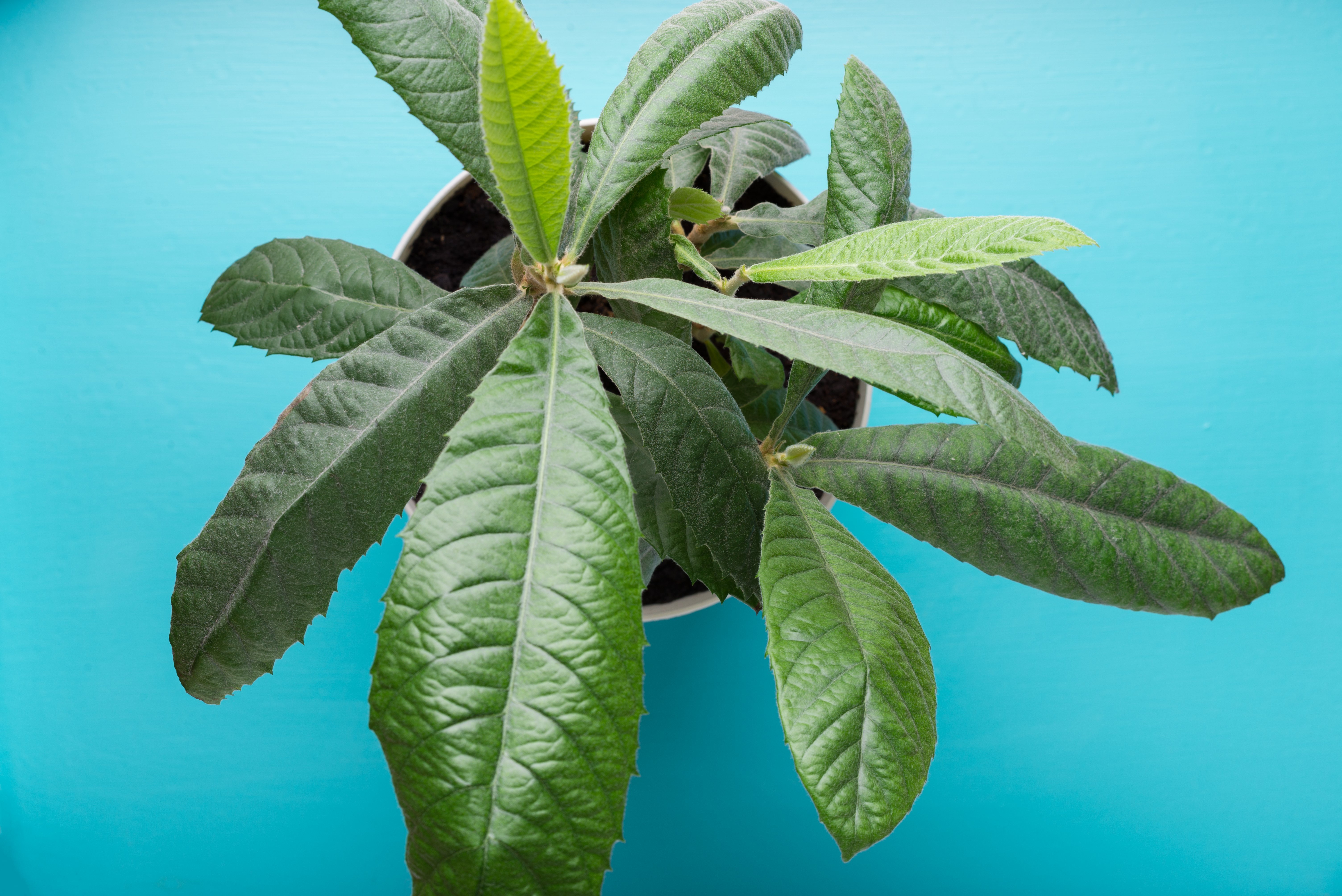
Loquats are one of those fruits that make people curious the minute they see them. The tree looks tropical, the leaves are bold and dramatic, the flowers are fragrant, and the fruit tastes like a sweet mix of apricot, citrus, and sunshine. It feels exotic, but for the right grower in the right USDA zone, a loquat tree can be surprisingly easy and incredibly rewarding.
But loquat trees are not one-size-fits-all fruit trees. They have a definite comfort zone. If you plant a loquat where winters are too cold, it may not survive. If you plant it too late in a warm climate, the tree may spend its first season fighting stress instead of building roots. That is why the smartest way to plan a loquat tree is by USDA Plant Hardiness Zone.
The USDA Plant Hardiness Zone Map is based on the average annual extreme minimum winter temperature. That minimum temperature affects how cold your winter gets, how early spring arrives, and whether a loquat tree is actually an appropriate in-ground choice for your area. In this guide, we will go zone-by-zone from USDA Zone 3 through USDA Zone 11 and answer:
- When to plant loquat trees in your zone and when to buy them
- Why colder zones should pre-order because many people plant in May, but inventory can sell out before then
- Whether loquat trees are an appropriate in-ground choice for your climate
- How chill hours and pollination affect loquat production
- How to plant bare-root loquat trees and care for them in year one
- How to grow loquat trees in pots with the right conditions
All loquat variety details in this article come only from Ty Ty Nursery’s Loquat Tree product page:
Loquat Tree for Sale Online at Ty Ty Nursery

USDA Zone Temperature Ranges (Zones 3–11)
- USDA Zone 3: -40°F to -30°F
- USDA Zone 4: -30°F to -20°F
- USDA Zone 5: -20°F to -10°F
- USDA Zone 6: -10°F to 0°F
- USDA Zone 7: 0°F to 10°F
- USDA Zone 8: 10°F to 20°F
- USDA Zone 9: 20°F to 30°F
- USDA Zone 10: 30°F to 40°F
- USDA Zone 11: 40°F to 50°F
Before We Go Zone-by-Zone: The 3 Loquat Rules That Decide Your Harvest
If you want loquats and not just a pretty evergreen tree, these three rules matter more than anything:
- Rule 1: Zone fit matters. Loquat trees thrive in USDA Zones 8–10 and are best treated as container plants outside that range.
- Rule 2: Plant at the right time for your zone. Planting too early into cold soil, or too late into intense heat, slows establishment and makes year one harder than it needs to be.
- Rule 3: Sun and drainage matter. Loquats want full sun and well-drained soil if you want strong growth and good fruiting.
Chill Hours: What They Mean (Simple Version)
Loquat trees are not high-chill fruit trees. In fact, Ty Ty Nursery describes the loquat tree as requiring minimal chill hours, which is one reason it performs so well in warmer climates. It still benefits from seasonal rhythm, but it does not need the kind of long, deep winter dormancy that apples, pecans, or many cherries need.
That is why loquats make much more sense in USDA Zones 8–10 than they do in very cold climates.
Pollination: Self-Pollinating and Easy to Grow
Here is one of the best things about loquats: loquat trees are self-pollinating. That means you do not need another loquat tree nearby just to produce fruit. One healthy tree can fruit on its own.
Of course, having more than one tree can still be useful if you want more total fruit, but basic fruit production does not depend on a second tree.
Loquat Tree Covered in This Guide (Ty Ty Nursery Only)
- Loquat Tree (USDA Zones 8–10) – requires minimal chill hours – self-pollinating
Ty Ty Nursery also notes these key growing details for its loquat tree:
- Full sun for at least 6–8 hours daily
- Well-draining, slightly acidic soil around pH 5.5–6.5
- Spacing of about 10–15 feet apart
- Mature size around 12–15 feet tall
- Ripens in early spring to early summer, typically March to June
USDA Zone 3: When to Plant Loquat Trees
Zone 3 has extreme winter cold (-40°F to -30°F), and the loquat tree on Ty Ty Nursery’s page is listed for USDA Zones 8–10. That means Zone 3 is not an appropriate choice for in-ground planting if you want reliable results.
This is not a plant you can “push a little” in this kind of climate and expect to be happy. The mismatch is too large. But loquat trees can be grown in pots with the right conditions, which gives cold-zone gardeners a way to enjoy them as a specialty fruit tree.
Best time to pot in Zone 3: Late spring, usually May through early June, once hard freeze danger has passed and outdoor conditions are warming up.
Best time to buy in Zone 3: Pre-order in late winter or early spring. That matters because cold-zone gardeners often plant in May, and inventory can move well before then.
Zone 3 container strategy: Grow the loquat in a large pot, keep it in full sun during the warm season, and move it to a protected location before severe winter cold arrives.
USDA Zone 4: When to Plant Loquat Trees
Zone 4 is also far too cold for in-ground loquat growing based on the listed USDA range of 8–10. So just like Zone 3, Zone 4 is not an appropriate in-ground choice.
Best time to pot in Zone 4: Late April through May. Wait until hard freeze danger is mostly behind you and the tree can settle into a warm, sunny season.
Best time to buy in Zone 4: Pre-order early, especially if you know you will not be planting until May.
Zone 4 container strategy: Treat the loquat as a moveable patio fruit tree rather than a permanent in-ground planting.
USDA Zone 5: When to Plant Loquat Trees
Zone 5 is still outside the recommended in-ground range for loquat, so it is not an appropriate in-ground choice if you want dependable survival and fruit production.
That said, loquat trees can still be fun and beautiful container plants here.
Best time to pot in Zone 5: April through May, when weather is stabilizing and the tree can enjoy a long warm season outdoors.
Best time to buy in Zone 5: Late winter through early spring, especially if you expect to start planting in May.
Zone 5 reality check: You can enjoy loquat in a pot here, but if you want an easy in-ground fruit tree, this is not the right choice for your climate.
USDA Zone 6: When to Plant Loquat Trees
Zone 6 is still colder than the loquat tree’s listed USDA range, which means loquat is not an appropriate in-ground choice here either.
However, Zone 6 is one of the better container zones because you can give the tree a long warm season outdoors and then protect it during winter.
Best time to pot in Zone 6: March through May, depending on your spring conditions. Earlier planting is possible if the container can be protected from hard freezes.
Best time to buy in Zone 6: Late winter through early spring.
Zone 6 container tip: A sunny patio, greenhouse, or sunroom strategy makes loquat much more realistic here than trying to force it into the ground.
USDA Zone 7: When to Plant Loquat Trees
Zone 7 is still technically colder than the listed range of 8–10, so the honest answer is that Zone 7 is not an appropriate in-ground choice if you want to stay within the loquat tree’s recommended range from Ty Ty Nursery.
However, this is a very workable pot-growing zone for loquats. Many gardeners in Zone 7 can enjoy loquat as a patio fruit tree with winter protection.
Best time to pot in Zone 7: February through April. Plant early enough to take advantage of mild spring weather, but protect from hard late freezes.
Best time to buy in Zone 7: Winter into early spring.
Zone 7 container plan: Loquat can be grown in large decorative containers, moved or sheltered during colder weather, and placed in full sun during the growing season.
USDA Zone 8: When to Plant Loquat Trees
Zone 8 is where loquat finally becomes a true in-ground recommendation. Since Ty Ty Nursery lists the loquat tree for USDA Zones 8–10, this is the coolest zone where you can confidently plant it in the ground and expect it to fit the climate.
Best time to plant in Zone 8: January through March. Plant during the coolest part of the season so roots can establish before strong heat arrives.
Best time to buy in Zone 8: Winter through early spring.
Zone 8 loquat recommendation: Loquat Tree — self-pollinating, minimal chill hours, ideal for warm and mild climates.
Zone 8 advantage: You are at the beginning of the ideal range, which means you can grow loquat in-ground or in large containers depending on your layout and design.
USDA Zone 9: When to Plant Loquat Trees
Zone 9 is an excellent loquat zone. Winters are mild, chill needs are easily satisfied, and the growing season is long enough for strong flowering and fruit ripening.
Best time to plant in Zone 9: December through February. Cool-season planting is the key because it allows the roots to settle in before hot weather arrives.
Best time to buy in Zone 9: Winter.
Zone 9 loquat recommendation: Loquat Tree — self-pollinating, minimal chill hours, highly suitable in-ground.
Zone 9 growing note: This is one of the best zones to use loquat as both an edible tree and an ornamental landscape feature.
USDA Zone 10: When to Plant Loquat Trees
Zone 10 is also a strong zone for loquat. It fits squarely within the listed USDA range and offers the warm conditions loquats like.
Best time to plant in Zone 10: December through January, and into February in many areas. Plant during the mildest stretch of the year.
Best time to buy in Zone 10: Winter.
Zone 10 loquat recommendation: Loquat Tree — self-pollinating, minimal chill hours, a very practical in-ground fruit tree for warm climates.
Zone 10 note: Container growing is still an option if you want a patio-friendly fruit tree, but in-ground growing is very realistic here.
USDA Zone 11: When to Plant Loquat Trees
Zone 11 is warmer than the loquat tree’s listed range of 8–10. That means Zone 11 is not an appropriate in-ground choice if you want to stay within the tree’s recommended range from Ty Ty Nursery.
That does not mean a Zone 11 gardener cannot enjoy loquats at all. But it does mean you should think in terms of containers and careful site control rather than easy, standard in-ground planting.
Best time to pot in Zone 11: During the coolest and mildest part of the year.
Zone 11 reality check: If you want a low-stress fruit tree, loquat from this listed range is not the easiest in-ground choice here.
How to Plant a Bare-Root Loquat Tree
Loquat trees are easy to plant when you give them the right site and do not overcomplicate the process.
Step 1: Choose the best planting location
- Full sun: 6–8+ hours of direct sun is best for fruit production and strong growth.
- Drainage: Loquats prefer well-drained, slightly acidic soil.
- Spacing: Space trees about 10–15 feet apart.
- Site: A warm, protected location is especially helpful in cooler edge-of-range climates.
Step 2: Dig the hole
Dig a hole at least twice the size of the root ball or root system. This gives the roots room to spread and settle more quickly.
Step 3: Use Soil Moist Transplant Mix
To help reduce water needs and boost survival due to less shock, use Soil Moist Transplant Mix. Per your instructions, bury it at the bottom of the hole when planting.
Step 4: Fertilize safely with Nutra-Pro 1st Year Fertilizer Packs only
Only fertilize with Nutra-Pro 1st year fertilizer packs during year one. Other granular fertilizers can burn and kill the roots. To use Nutra-Pro, simply place the fertilizer pack at the bottom of the hole when planting.
Step 5: Plant, backfill, and water in
Set the tree so the top of the root ball is level with the surrounding soil, backfill with soil, press gently to remove air pockets, and water thoroughly to settle everything in place.
Step 6: Mulch
Add mulch around the base to hold moisture and reduce weeds, but keep mulch a few inches away from the trunk.
Loquat Tree Potting Instructions
Loquat trees can be grown in pots with the right conditions, which makes them especially attractive for Zones 3–7 or for patios and decorative edible landscapes.
Here is what matters most:
- Use a large container: Loquat becomes a substantial small tree over time.
- Use well-draining potting mix: Do not use heavy garden soil in containers.
- Give it full sun: Bright exposure is essential for flowering and fruiting.
- Water more carefully: Pots dry faster than in-ground plantings.
- Protect in cold zones: Move or shelter containers before hard freezes.
Container loquats are not just a backup plan. They can actually be beautiful patio features, especially when paired with a decorative pot and placed where the flowers and fruit can be enjoyed up close.
Watering Recommendation for the First Growing Season
Here is the watering schedule you requested, written in practical terms:
- First couple months: water daily or every other day depending on rainfall and soil drainage.
- Once established: water when producing fruit or as needed during dry spells.
Ty Ty’s product page notes that loquats should be watered regularly during the first year to establish strong roots, and once mature they should be watered deeply about once a week during dry periods. Your requested schedule fits that first-year establishment goal very well.
Ongoing Loquat Tree Maintenance and Pruning
Loquats are fairly low-maintenance once established, but a little cleanup and shaping goes a long way.
- Pruning: Prune annually to remove dead or damaged wood and to shape the tree for better airflow and fruit production.
- Weed control: Keep the base clear so roots are not competing with grass and weeds.
- Mulch: Helps conserve moisture and reduce competition.
- Sunlight: Keep the tree in strong sun for the best flowering and fruiting.
If you want a simple pruning mindset: remove what is dead, remove what is weak, and open up what is crowding the center.
Protect Loquat Trees with Max Growth Tree Shelters
It is good to grow loquat trees with Max Growth Tree Shelters to protect the plants. Young trunks can be stressed by cold snaps, wind, browsing, and accidental damage. A shelter helps the tree get established more cleanly.
Where to Buy Loquat Trees Online
If you are searching for “loquat trees for sale,” “buy loquat trees online,” “best loquat tree for my USDA zone,” or “how to grow loquat trees,” the best place to buy them is Ty Ty Nursery.
Browse loquat trees here:
Buy Loquat Trees Online at Ty Ty Nursery
- Prices up to 68% lower than other nurseries
- Fastest in season shipping (plant in days the Ty Ty way and not have to wait weeks or months with the other guys)
- Free one year plantsurance guarantee other companies charge for this
- Lifetime true to name guarantee, no other nursery offers this
- No need to move heavy pots in and out of cars — ships right to your door
- Been in business since 1978
- Google top quality store View Google Store Profile
- Excellent trustpilot rating by verified customers Read Trustpilot Reviews
- “A” rating with the BBB View BBB Profile
- Live human plant experts in Ty Ty, GA we do not outsource customer service overseas or use AI like the other companies
Quick zone summary: Zones 3–7 are generally container-only zones for loquat based on Ty Ty Nursery’s listed USDA range of 8–10. Zones 8–10 are appropriate for in-ground growing, with Zones 9–10 being especially easy fits. Zone 11 is outside the listed range, so container growing is the more realistic path there. Across all zones, the key is to plant at the right time for your climate, give the tree full sun and drainage, and remember that loquat is self-pollinating, so one healthy tree can produce fruit on its own.

Leave a Reply