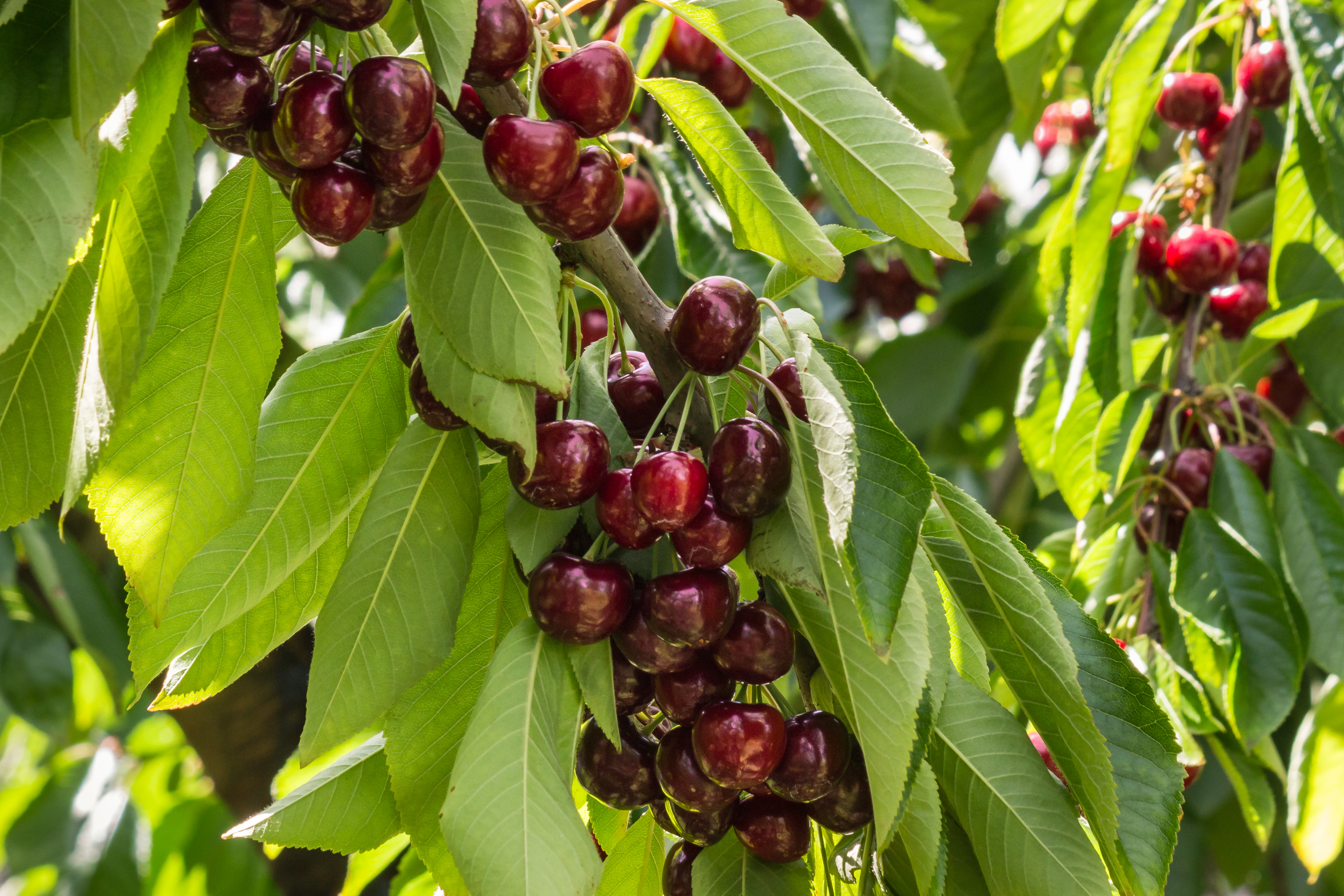
If you have ever pictured yourself walking into your backyard and picking glossy red cherries straight off your own tree, you are not alone. Cherry trees are one of the most searched fruit trees for home gardens because they combine everything people love in one plant: beautiful spring bloom, classic fruit, ornamental value, and that rewarding feeling that comes from growing something memorable at home.
But cherries are also one of those fruit trees that punish lazy planning. They are not impossible for beginners. Far from it. They just ask you to get a few important things right from the beginning: site selection, drainage, variety choice, chill compatibility, and pollination. If you understand those basics and plant them correctly, cherry trees can be one of the most satisfying additions to a yard or home orchard.
This guide walks through when to plant cherry trees, how to choose the right site, soil requirements, soil preparation, the best cherry tree varieties by USDA zone using the current Ty Ty Nursery lineup, pollination requirements, step-by-step planting, watering, first-year bloom removal, pruning, pest and disease concerns, and long-term maintenance. By the end, you will know exactly how to plant cherry trees the right way and what to do after planting so they actually thrive.
Why Cherry Trees Are Worth Growing
Cherry trees bring a lot to the landscape. They flower beautifully in spring, they can produce excellent fruit for fresh eating or pie-making, and they often stay small enough to be practical for home growers. The current Ty Ty cherry page highlights both sweet and sour cherries and notes that the category includes beginner-friendly choices.
They also give you more variety than many people realize. Some cherries are classic sweet cherries for fresh eating. Some are tart cherries for baking and preserves. Some are low-chill cherries built for warmer climates. Some are self-fruitful and some absolutely need a partner. That variety is good news for beginners because it means there is often a cherry option for your climate if you match it correctly. General cherry culture guidance from extension sources supports that sweet and tart cherries have different climate fit and pollination behavior.
When Is the Best Time to Plant Cherry Trees?
The best time to plant cherry trees is during dormancy, usually from late fall through early spring, before vigorous new growth begins. For most beginners, early spring is the easiest and safest answer, especially in colder parts of the country where winter conditions can be rough. Dormant planting helps the root system settle in before the tree has to support leaves, flowers, and fruit. University and extension guidance commonly recommends planting tart and sweet cherries in spring in colder regions and during dormancy overall.
The simple beginner rule is this: plant while the tree is still asleep so it can wake up where it belongs.
Current Cherry Tree Varieties at Ty Ty Nursery
According to the live category page, the current cherry lineup includes:
- Bada Bing Cherry Tree — USDA Zones 5–8
- Bing Cherry Tree — USDA Zones 5–8
- Black Tartarian Cherry Tree — USDA Zones 5–8
- Dwarf North Star Cherry Tree — USDA Zones 4–8
- Early Ruby Cherry Tree — USDA Zones 5–8
- Lapins Cherry Tree — USDA Zones 5–8
- Minnie Royal Cherry Tree — USDA Zones 7–9
- Montmorency Cherry Tree — USDA Zones 5–8
- Rainier Cherry Tree — USDA Zones 4–7
- Royal Lee Cherry Tree — USDA Zones 6–9
- Royal Rainier Cherry Tree — USDA Zones 6–9
- Stella Cherry Tree — USDA Zones 5–8
- Sweet Cherry Pie™ Cherry Tree — USDA Zones 3–8
The page also labels Minnie Royal and Royal Lee as low-chill cherry trees.
Best Cherry Tree Varieties by USDA Zone and State
Because many states span multiple USDA zones, always start with your exact local USDA zone first and then use your state as a second filter. Texas, California, Georgia, North Carolina, Tennessee, Virginia, Oregon, Washington, and many others include multiple zones and microclimates. The live Ty Ty listing currently spans Zones 3–9 overall, which gives beginners a pretty broad range of choices if they select carefully.
USDA Zone 3
Typical areas: northern Minnesota, North Dakota, South Dakota, Montana, and colder interior mountain areas.
Best current Ty Ty choice: Sweet Cherry Pie™ Cherry Tree.
From the live page, Sweet Cherry Pie™ is the only currently listed cherry that extends into Zone 3, so it is the obvious starting point for the coldest growers shopping this page.
USDA Zone 4
Typical areas: northern Wisconsin, northern Michigan, northern New England, and other cold inland areas.
Best current Ty Ty choices: Dwarf North Star, Rainier, Sweet Cherry Pie™.
Zone 4 gives you a few more options, but it is still colder cherry country. Dwarf North Star and Sweet Cherry Pie™ are the clearest cold-tolerant fits on the current page, with Rainier also listed into Zone 4.
USDA Zone 5
Typical areas: parts of Pennsylvania, Ohio, Indiana, Illinois, Iowa, Missouri, Kansas, Colorado, Utah, inland Oregon, inland Washington, and southern New England.
Best current Ty Ty choices: Bada Bing, Bing, Black Tartarian, Dwarf North Star, Early Ruby, Lapins, Montmorency, Stella, Sweet Cherry Pie™.
Zone 5 is where the current lineup starts opening up. This is a strong zone for both tart and sweet cherries if you get pollination right and avoid poor drainage.
USDA Zone 6
Typical areas: parts of Virginia, Maryland, Kentucky, Tennessee, Missouri, Arkansas, Oklahoma, North Carolina uplands, and interior western valleys.
Best current Ty Ty choices: nearly the full lineup except the warmest and coldest edge-only placements are less relevant.
Zone 6 is one of the easiest cherry zones from the current page because it overlaps most of the listed varieties, including low-chill Royal Lee and Royal Rainier as options in milder parts.
USDA Zone 7
Typical areas: Georgia uplands, Alabama uplands, South Carolina upcountry, North Carolina piedmont, Tennessee, Arkansas, Virginia, and Oklahoma.
Best current Ty Ty choices: Minnie Royal, Royal Lee, Royal Rainier, plus several standard cherries where local chill and disease pressure still cooperate.
Zone 7 is especially important for low-chill cherries. Minnie Royal and Royal Lee become key players here, while traditional high-chill cherries may be less dependable in warmer Zone 7 pockets.
USDA Zone 8
Typical areas: much of Georgia, Alabama, Mississippi, Louisiana, Texas, South Carolina, Arizona, and parts of California.
Best current Ty Ty choices: Minnie Royal, Royal Lee, Royal Rainier, and in some cases other listed warm-end varieties where winter chill still accumulates enough.
Zone 8 cherry growing is all about chill hours and variety choice. The safest route on the current page is to focus on the lower-chill selections.
USDA Zone 9
Typical areas: southern Texas, warmer California areas, and similar mild-winter regions.
Best current Ty Ty choices: Minnie Royal, Royal Lee, Royal Rainier.
Zone 9 is warm-cherry territory, and the live page narrows down accordingly. Minnie Royal is listed for 7–9, while Royal Lee and Royal Rainier are listed for 6–9.
USDA Zone 10
Recommendation: the current live-page cherry lineup is generally not the recommended outdoor fit for Zone 10.
USDA Zone 11
Recommendation: the current live-page cherry lineup is generally not the recommended outdoor fit for Zone 11.
Pollination Requirements for Cherry Trees
This is one of the biggest beginner make-or-break topics. Some cherry trees are self-fruitful and can produce a crop on their own, while others need a compatible second variety blooming at the same time. Extension guidance widely supports that many sweet cherries need cross-pollination, while tart cherries and some sweet cultivars are self-fruitful.
For the current Ty Ty lineup, the most practical beginner approach is to think in groups:
- Usually self-fruitful or commonly treated as self-fertile: Lapins, Stella, Montmorency, and Dwarf North Star are commonly recognized as self-fruitful types in extension and nursery guidance.
- Usually better with or dependent on a pollination partner: Bing, Rainier, Black Tartarian, and many other traditional sweet cherries often benefit from or require a compatible second sweet cherry.
- Low-chill pair to know: Minnie Royal and Royal Lee are commonly grown together as a warm-climate pollination pair.
Because pollination compatibility can get cultivar-specific, the safest beginner advice is simple: unless you are intentionally choosing a known self-fruitful variety, plan on planting two compatible cherry trees. In warm-climate cherry growing, the Minnie Royal + Royal Lee pairing is especially well known. The Ty Ty page itself flags these two as low-chill cherries, which aligns with that use.
Site Selection: Where Should You Plant Cherry Trees?
Cherry trees want full sun, good airflow, and excellent drainage. Cherries dislike wet feet and are more prone to disease when planted in low, damp, airless spots. University and extension guidance commonly emphasizes that cherries need at least 6–8 hours of direct sun and should be planted in sites with good air circulation and well-drained soil. Those recommendations line up with the realities of common cherry diseases like brown rot, bacterial canker, and leaf spot.
A good cherry site is sunny, open, and slightly elevated if possible. A poor site is a wet low area where cold air and moisture settle. Because cherries bloom early, frost pockets can also be a problem in some climates. That means an open slope is often better than a cozy low backyard corner.
Soil Requirements for Cherry Trees
Cherry trees prefer fertile, well-drained soil and generally do best in slightly acidic to neutral pH. The single most important soil rule is drainage. Heavy wet soil is one of the fastest ways to stress or lose a cherry tree. Extension guidance broadly supports cherries performing best in deep, well-drained loam and struggling in saturated clay or poorly drained sites.
In general:
- Loamy, well-drained soil is ideal.
- Sandy soils can work but may need more frequent watering.
- Heavy clay can be risky unless drainage is improved.
How to Prepare the Soil Before Planting
Clear grass and weeds from the planting area. Loosen compacted soil. Remove rocks and debris. If the site drains poorly, fix that before planting rather than hoping the tree will tolerate it. The goal is not to build a tiny soft pocket inside bad ground. The goal is to create a workable root zone where the tree can expand outward naturally.
If your site is marginal, planting on a slight mound or raised berm can help with drainage. That is often a smarter move than dropping a cherry tree into a soggy hole in otherwise heavy soil.
How to Plant a Cherry Tree Step by Step
If you are planting a bareroot cherry tree, here is the beginner-friendly planting method:
- Soak the roots in a bucket of water for hydration. This helps rehydrate the tree before planting.
- Dig a hole twice the size of the roots. Give the roots room to spread naturally.
- Place one unopened 1st Year Nutra Pro Fertilizer Pak and one unopened Soil Moist Transplant Mix at the bottom of the hole. Leave both unopened and place them at the bottom of the planting hole.
- Set the tree in place. Spread the roots naturally and keep the tree upright.
- Backfill the hole. Refill with the removed soil.
- Water the tree in thoroughly. This settles the soil and removes air pockets.
- Install a Max Growth Tree Shelter. This adds protection while the tree is getting established.
That is the basic formula: hydrate, dig, place the unopened inputs, backfill, water, and protect.
Why Use Nutra Pro 1st Year Fertilizer Paks Instead of Granular Fertilizer?
The first year is not the time to get aggressive with fertilizer. A new cherry tree has tender roots, and overfertilizing is one of the fastest ways to damage or stall a young planting.
The reason to use Nutra Pro 1st Year Fertilizer Paks instead of granular fertilizer is that the pak feeds slowly through micro porous holes. That slower release supports the tree gradually without burning the roots. Granular fertilizer the first year is easy to overapply, easy to place too close to the roots, and easy to use badly enough to stunt the tree or kill it. The first year should be about safe root establishment, not forcing fast top growth before the root system is ready.
Watering Cherry Trees After Planting
The first two months after planting are critical. For the first two months, water every day or at least every other day, depending on rainfall, temperature, wind, and soil type. If the weather is mild and rainy, you may not need daily watering. If it is hot, dry, or your soil drains quickly, you may need more frequent attention.
If the tree begins to wilt, it is telling you it is thirsty and needs a drink. Newly planted cherry trees do not yet have a broad established root system, so they depend on you.
Once established, watering can taper back and become more rainfall-dependent. Increase water attention again once fruiting starts because cherry sizing and crop quality benefit from steady moisture. At the same time, avoid keeping the soil waterlogged.
Should You Remove Blooms the First Year?
Yes. If your cherry tree flowers in the first year after planting, remove the blooms.
This feels wrong to beginners because flowers make fruit seem close, but the first year is not about harvesting cherries. It is about root establishment and building a strong framework. Grow your own fruit is a marathon, not a sprint. Short-term gratification is not worth weakening long-term production.
Ongoing Maintenance for Healthy Cherry Trees
Pruning
Cherry trees need regular pruning. The goals are to build a strong structure, improve sunlight penetration, improve airflow, and remove weak or damaged wood. Extension guidance commonly recommends pruning cherries to an open, manageable structure and being especially mindful of disease-prone cuts in wet conditions.
For beginners, the easy version is this:
- Remove dead, broken, weak, or crossing branches.
- Maintain a clear, open canopy.
- Prune with structure in mind, not just size.
Mulching
A mulch ring helps conserve moisture, suppress weeds, and moderate soil temperature. Keep mulch pulled back from the trunk so moisture is not trapped directly against the bark.
Grass and Weed Control
Do not let turf grow right up to the base of the tree. Young cherries do not need extra competition while they are trying to establish.
Common Cherry Tree Problems and How to Treat Them
Brown Rot
Brown rot is one of the classic cherry problems, especially in wet or humid conditions. Good airflow, sanitation, and an open canopy help reduce pressure.
Bacterial Canker
Cherry trees can be sensitive to canker issues, especially when stressed or planted in poor sites. Clean pruning, good drainage, and avoiding unnecessary injury all help.
Cherry Leaf Spot and Foliar Problems
Leaf diseases are more common when cherries stay wet and crowded. Sun, airflow, and cleanup matter.
Birds and Fruit Damage
Birds love cherries. If you grow a good crop, you may be sharing unless you plan ahead with netting or other protection.
The best beginner habit is simple: walk your trees often. Look at leaves, shoots, bark, flowers, and fruit. Most cherry problems are easier to manage when caught early.
Best Place to Buy Cherry Trees Online
If you are looking for the best place to buy cherry trees online, Ty Ty Nursery is a strong place to start for beginners and experienced growers alike.
Here is why Ty Ty Nursery stands out:
- Prices up to 68% lower than other nurseries
- Fastest in-season shipping so you can plant in days instead of waiting weeks or months.
- Free one year Plantsurance guarantee
- Lifetime true to name guarantee
- No need to move heavy pots in and out of cars because plants ship right to your door.
- In business since 1978
- Google Quality Store Rating of 4.6
- Trustpilot Excellent Rating of 4.4
- BBB A rating
- Live human plant experts in Ty Ty, Georgia
You can browse the current cherry tree collection here: Cherry Trees at Ty Ty Nursery.
Final Thoughts
Cherry trees are one of the most rewarding fruit trees a beginner can grow, but they reward planning more than guesswork. Choose a variety that fits your USDA zone. Think carefully about chill hours in warm climates. Understand whether your variety needs a pollination partner. Plant in full sun. Prioritize drainage. Water carefully during establishment. Remove first-year blooms. Prune for structure and airflow.
Do those things well and your cherry tree will not just survive. It will become one of the most beautiful and satisfying plants in your landscape.
Ready to get started? Explore the current selection of cherry trees at Ty Ty Nursery, browse the Ty Ty Nursery Planting Tips page, and visit the Ty Ty Nursery homepage for more fruit trees, berry plants, and growing resources.
Leave a Reply