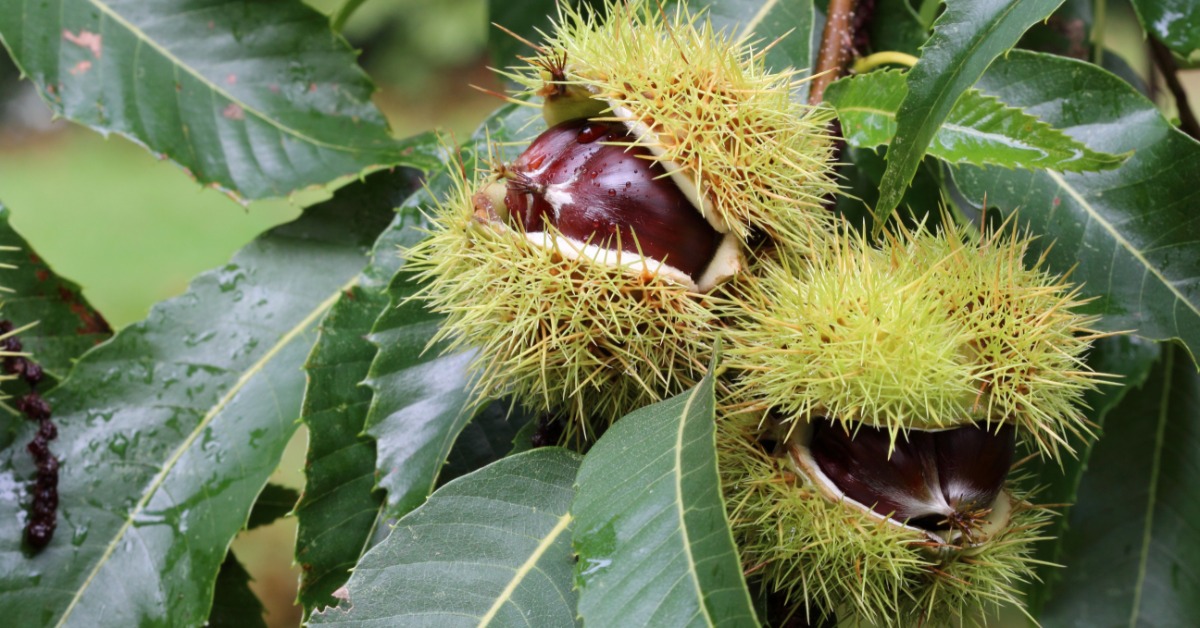
Chestnut trees bring a sense of tradition to any yard, along with a steady harvest that feels rewarding year after year. If you’ve thought about adding one to your space, now’s a great time to explore your options and find a variety that fits your goals. A complete guide to common variations of chestnut trees will walk you through the types you’ll come across and what makes each one stand out. With the right choice, you’ll enjoy shade, seasonal beauty, and a crop that’s hard to beat.
Chestnut trees fall into a few main categories, each with its own traits. Some handle colder climates better, while others produce larger nuts or grow faster. Knowing the differences helps you pick a tree that lines up with your space and expectations. Let’s break down the most common varieties and what you can expect from each one.
American Chestnut Trees
American chestnut trees once dominated forests across the eastern United States. These trees grew tall, developed strong trunks, and produced sweet, flavorful nuts. Their history carries weight, and many growers still appreciate their natural beauty and productivity.
Blight changed the landscape for this species, which led to a major decline. Even so, efforts to bring back resistant strains have made progress. Some modern selections show improved durability and continue to attract interest from growers.
If you want a tree with classic appeal and strong growth, American chestnut types still hold value. They tend to grow upright with a broad canopy, which works well for larger yards. The nuts offer a rich flavor that stands out in roasting or baking.
Chinese Chestnut Trees
Chinese chestnut trees have gained popularity due to their natural resistance to blight. That trait makes them a reliable option for many home growers. They also stay a bit smaller than American varieties, which suits residential spaces.
The tree forms a rounded shape and produces nuts that fall easily from their burrs. This trait makes harvest more manageable. You won’t need to spend extra time pulling nuts apart, which adds convenience during the season.
Flavor remains a strong point with Chinese chestnuts. The nuts carry a slightly sweeter taste, which works well for fresh eating or cooking. For homeowners who want a dependable tree with steady production, this variety stands out.
European Chestnut Trees
European chestnut trees bring a long history of cultivation across orchards and estates. These trees grow large and produce high yields when conditions suit them. Their nuts appear slightly larger and work well for culinary uses.
This variety prefers milder climates with consistent warmth. In the right setting, it develops into a striking tree with a wide canopy. That growth habit creates both shade and visual interest in a landscape.
European chestnuts have a slightly different flavor profile compared to American or Chinese types. The nuts lean toward a richer texture, which chefs and home cooks appreciate. If your climate supports it, this variety can become a standout feature in your yard.

Hybrid Chestnut Trees
Hybrid chestnut trees combine traits from multiple species. Breeders select parent trees with desirable qualities, such as disease resistance and strong nut production. The result is a tree that balances performance with reliability.
Many hybrids feature improved resistance to blight, which gives them an advantage in areas where disease pressure exists. At the same time, they retain good flavor and yield. This combination makes them appealing for both hobby growers and small-scale orchards.
Growth patterns vary depending on the specific hybrid. Some lean toward the size of American trees, while others stay closer to Chinese varieties. This range gives you flexibility when choosing a tree for your space.
Japanese Chestnut Trees
Japanese chestnut trees bring another option for growers who want something a bit different. These trees tend to produce large nuts with a bold appearance. Their growth habit remains moderate, which suits many residential settings.
The tree itself shows attractive foliage, which adds visual appeal beyond the harvest. Japanese chestnuts may not appear as commonly as other types, yet they still hold value. Their unique characteristics give growers another path to explore when planning a diverse planting.
Choosing the Right Chestnut Tree
Picking the right chestnut tree comes down to a few practical considerations. Climate plays a major role, since some varieties handle cold or heat better than others. Space also matters, especially if you want to avoid crowding as the tree matures.
Think about your goals as well. If you want large yields, European or hybrid trees may fit best. If disease resistance ranks high on your list, Chinese or hybrid options offer peace of mind. Here are a few points to keep in mind:
Match the tree to your local climate conditions
- Consider mature size before planting
- Look at disease resistance traits
- Think about harvest ease and nut size
- Plan for proper spacing between trees
For most homeowners, a reliable and manageable tree works best. Since Ty Ty Nursery focuses on chestnut trees for home growers, you’ll find options that align with these needs right now.

Growth and Care Expectations
Chestnut trees reward patience with steady growth and long-term production. They prefer well-drained soil and full sunlight, which supports strong development. Once established, they handle a range of conditions with minimal fuss.
Watering during the early years helps the tree settle in. After that, maintenance becomes more straightforward. Pruning shapes the tree and promotes airflow, which supports overall health.
Pollination plays a role in nut production. Most chestnut trees benefit from planting more than one variety nearby. This setup increases the chances of a strong harvest each season.
Grow Your Grove Today
Having a complete guide to common variations of chestnut trees is important because these plants give you plenty of options, from classic American types to dependable hybrids. Each variety brings its own strengths, which allows you to tailor your choice to your space and goals. With the right selection, you’ll enjoy years of growth, shade, and a rewarding harvest.
Now’s the time to take the next step and find a chestnut tree that fits your yard. Explore available varieties, compare their traits, and choose one that lines up with your vision. With a little planning, your landscape can grow into something both productive and inviting.

Leave a Reply