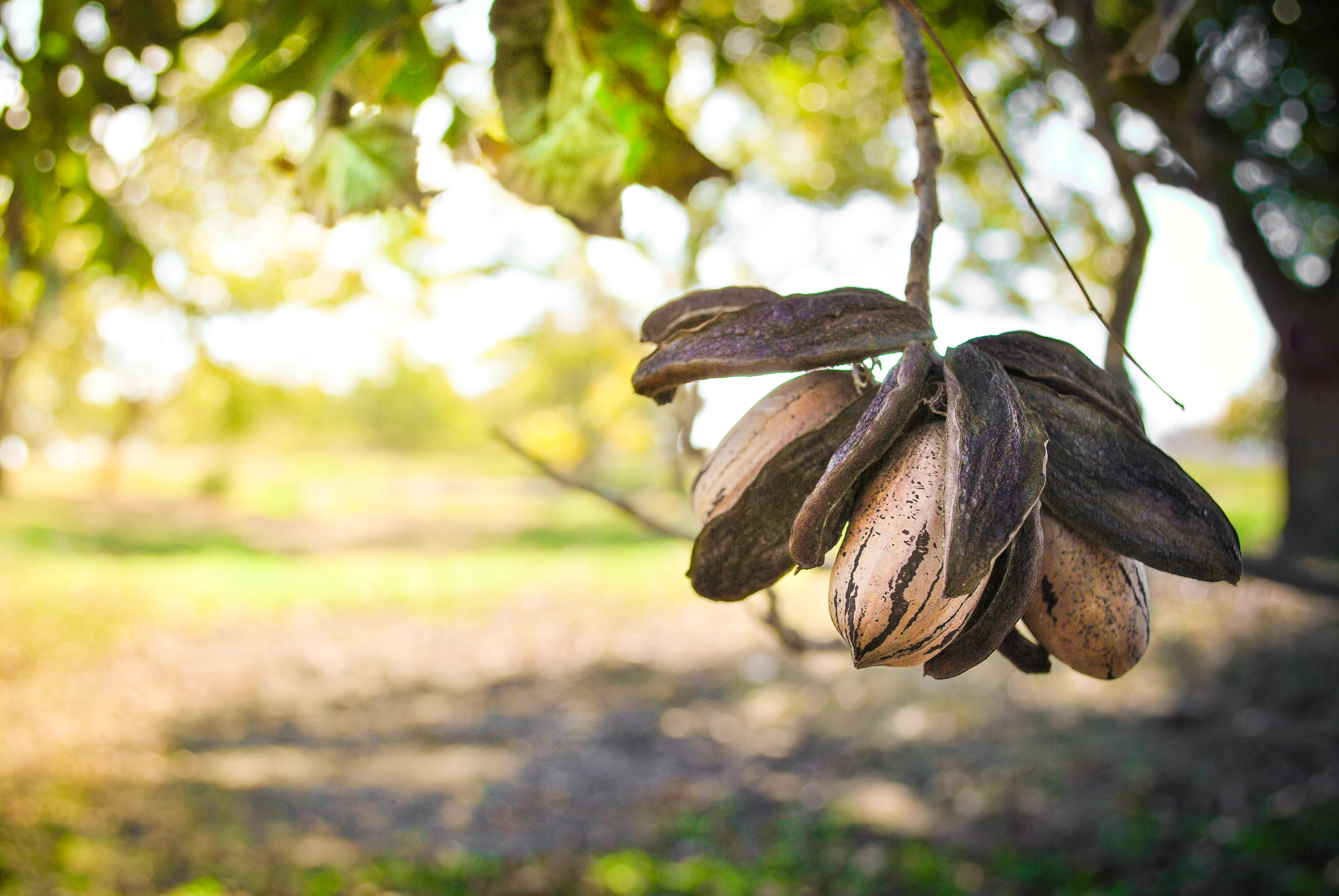
If you’ve ever enjoyed the rich, buttery taste of pecans in a pie, as a snack, or sprinkled over a salad, imagine having your own endless supply right in your backyard! Growing your own pecan trees is a rewarding investment that provides delicious, nutritious nuts for decades. These majestic trees not only produce bountiful harvests but also add beauty, shade, and value to your landscape.
Whether you’re a seasoned gardener or a beginner, this guide will walk you through everything you need to know about planting, growing, and harvesting your own pecan trees.
Why Grow Your Own Pecan Trees?
1. A Long-Term Investment with Big Rewards
Pecan trees may take a few years to start producing, but once they do, they provide nuts for generations. Some trees live and produce for over 100 years! Planting a pecan tree today means future harvests for yourself, your children, and even your grandchildren.
2. Fresh, Homegrown Nuts Are Healthier and Tastier
Store-bought pecans are often treated with preservatives, while homegrown pecans are 100% natural. Freshly harvested pecans have a richer flavor and higher nutritional value, packed with healthy fats, protein, fiber, and antioxidants.
3. Save Money on Store-Bought Nuts
Pecans can be expensive at the grocery store, but growing your own means a free supply of high-quality nuts year after year. A single mature tree can produce 50 to 100 pounds of pecans annually!
4. A Stunning Shade Tree with Environmental Benefits
In addition to their edible benefits, pecan trees provide ample shade, making them a beautiful and practical addition to your yard. They also support wildlife by attracting birds and pollinators and help improve air quality.
How to Grow Pecan Trees
Choosing the Right Pecan Tree Variety
Pecan trees come in different varieties, with some better suited to certain climates than others. Here are a few popular options:
- ‘Desirable’ – A top choice for home growers with high nut quality and disease resistance.
- ‘Pawnee’ – Early ripening and great for smaller spaces.
- ‘Stuart’ – A classic variety with excellent flavor and long storage life.
- ‘Elliott’ – Highly resistant to pests and diseases.
Most pecan trees require cross-pollination, meaning you’ll need at least two different varieties for the best nut production.
Where to Plant Pecan Trees
- Sunlight: Pecan trees thrive in full sun, needing at least 6–8 hours of direct sunlight per day.
- Soil: Well-draining soil with a pH between 6.0 and 7.0 is ideal. Sandy loam is preferred, but they can tolerate clay if drainage is good.
- Spacing: These trees grow large! Space them at least 30–50 feet apart to allow for proper root and canopy development.
Planting Pecan Trees
- Dig a Wide Hole: Make the hole twice as wide as the root ball but not deeper than the root system.
- Position the Tree Correctly: Place the tree in the hole with the root collar (where the trunk meets the roots) at soil level.
- Backfill and Water: Fill the hole with soil, gently tamp it down, and water deeply.
- Mulch: Add a 2–3 inch layer of mulch around the base to retain moisture and suppress weeds.
Caring for Pecan Trees
Watering
Young pecan trees need consistent watering, especially in the first few years. Water deeply once or twice a week, ensuring the soil stays moist but not waterlogged. Mature trees are more drought-tolerant but still benefit from watering during dry spells.
Fertilizing
Pecan trees are heavy feeders and benefit from regular fertilization.
- First Year: Use a balanced fertilizer (10-10-10) in early spring.
- After the First Year: Apply nitrogen-rich fertilizer to encourage growth and nut production.
- Zinc is Essential! Pecan trees need zinc for strong nut development. Use zinc sulfate in the soil or as a foliar spray.
Pruning
Pruning helps shape the tree and improve air circulation.
- Remove dead or damaged branches in winter.
- Trim lower branches to encourage a strong, upward-growing structure.
- Avoid heavy pruning once the tree is mature, as pecans grow best with an open canopy.
Pest & Disease Management
Pecan trees can attract pests like aphids, pecan weevils, and caterpillars. Keep an eye out for signs of infestations and use natural or organic insect control methods when needed. Fungal diseases, such as pecan scab, can be prevented by ensuring good airflow and applying fungicides if necessary.
Harvesting Pecans
When to Harvest
Pecans typically ripen in fall (September–November). You’ll know they’re ready when:
- The husks split open, revealing the brown nut inside.
- Nuts begin to drop naturally from the tree.
How to Harvest
- Collect fallen pecans from the ground.
- Shake branches gently to encourage more nuts to drop.
- Remove the outer husks and allow the pecans to dry for 1–2 weeks in a well-ventilated area before storing.
Storing Pecans
- Store dried pecans in an airtight container in a cool, dry place for several months.
- For long-term storage, freeze shelled pecans to keep them fresh for up to two years!
Final Thoughts: Why You Should Start Growing Pecan Trees Today
Growing your own pecan trees is one of the best long-term investments you can make in your garden. While they take a few years to start producing, the payoff is worth it—yearly harvests of delicious, homegrown nuts, beautiful shade, and a healthier, more sustainable way to enjoy pecans.
Whether you have a large backyard or space for just a couple of trees, planting pecan trees today means a future filled with fresh, flavorful pecans. So why not get started this season? Your future self—and your taste buds—will thank you! 🌳🌰

Leave a Reply