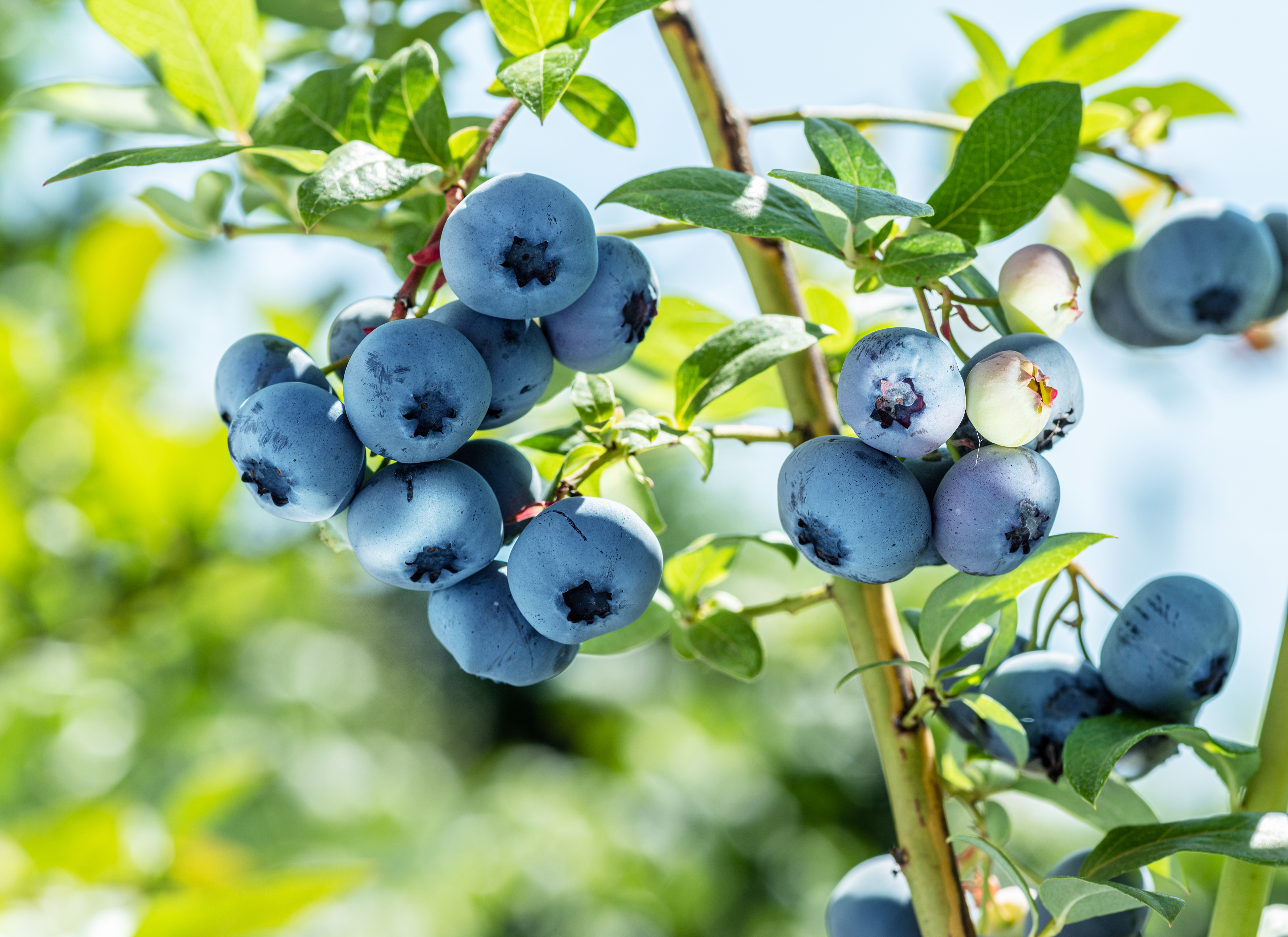
There’s nothing quite like stepping outside and picking a handful of fresh, sun-ripened berries straight from your own garden. Raspberries, blackberries, and blueberries are not only delicious and packed with nutrients, but they’re also surprisingly easy to grow at home. Whether you have a sprawling backyard or just a small space for containers, these berry plants can thrive with minimal care and provide you with a bountiful harvest year after year.
In this guide, we’ll walk you through everything you need to know about growing raspberries, blackberries, and blueberries—including planting tips, care requirements, and how to enjoy the sweetest, juiciest berries straight from your own garden.
Raspberries: Sweet, Tangy, and Easy to Grow
Why Grow Raspberries?
Raspberries are one of the easiest berries to grow, making them a favorite among home gardeners. They produce sweet, tangy fruit that’s perfect for fresh eating, jams, and desserts. Plus, raspberry plants are perennials, meaning they come back year after year with bigger and better harvests.
Planting Raspberries
- Best Growing Conditions: Full sun (at least 6–8 hours a day) and well-drained, slightly acidic soil (pH 5.5–6.5).
- Spacing: Plant raspberry canes 2–3 feet apart in rows that are 6–8 feet apart.
- Support: Most raspberry varieties benefit from a trellis or stakes to keep the canes upright and organized.
Caring for Raspberry Plants
- Watering: Keep soil consistently moist, especially during fruit development.
- Fertilizing: Use a balanced fertilizer in early spring to promote strong growth.
- Pruning: Summer-bearing raspberries should be pruned after harvest, while everbearing varieties should be cut back in late winter.
Harvesting Raspberries
Raspberries ripen in early to mid-summer, depending on the variety. Pick them when they are fully red (or yellow/black for certain varieties) and easily detach from the plant. They are best eaten fresh but can also be frozen or made into preserves.
Blackberries: Juicy and Low-Maintenance
Why Grow Blackberries?
Blackberries are highly productive, resilient, and require very little maintenance once established. They produce large, juicy berries that are perfect for fresh snacking, baking, or making delicious syrups and jams.
Planting Blackberries
- Best Growing Conditions: Full sun and well-drained, slightly acidic soil (pH 5.5–7.0).
- Spacing: Plant blackberries 3–4 feet apart in rows that are 6–8 feet apart.
- Support: Erect varieties can stand on their own, while trailing varieties need a trellis.
Caring for Blackberry Plants
- Watering: Keep the soil evenly moist, especially in dry weather.
- Fertilizing: Apply a balanced fertilizer in early spring.
- Pruning: Remove dead canes in winter and trim back old canes after they bear fruit.
Harvesting Blackberries
Blackberries ripen in mid to late summer. Unlike raspberries, they should be picked when fully black and slightly soft. They don’t continue ripening after being picked, so wait until they are perfectly ripe before harvesting.
Blueberries: Sweet and Packed with Antioxidants
Why Grow Blueberries?
Blueberries are one of the healthiest berries you can grow, loaded with antioxidants, vitamins, and fiber. They’re perfect for eating fresh, adding to smoothies, or making delicious baked goods. Best of all, blueberry plants are long-lived and can produce fruit for decades with proper care.
Planting Blueberries
- Best Growing Conditions: Full sun and acidic soil (pH 4.5–5.5).
- Spacing: Plant blueberries 3–4 feet apart in rows that are 6–8 feet apart.
- Soil Prep: Blueberries require well-draining, acidic soil. If your soil is too alkaline, amend it with peat moss or sulfur before planting.
Caring for Blueberry Plants
- Watering: Blueberries have shallow roots and need consistent moisture, especially during fruit production.
- Fertilizing: Use an acid-loving plant fertilizer in early spring.
- Pruning: Light pruning in the first few years, followed by removing older, unproductive canes as the plant matures.
Harvesting Blueberries
Blueberries ripen in mid to late summer. Wait until they turn a deep blue and easily fall off the branch with a gentle touch. They can be stored fresh in the refrigerator for up to two weeks or frozen for long-term use.
Tips for a Thriving Berry Garden
- Mulch: Adding mulch around the base of your berry plants helps retain moisture, suppress weeds, and regulate soil temperature.
- Pollination: While raspberries and blackberries are self-pollinating, blueberries benefit from having multiple varieties nearby for better fruit production.
- Winter Care: Protect young plants in colder climates by covering them with straw or burlap during harsh winter conditions.
Enjoying Your Homegrown Berries
The best part of growing your own raspberries, blackberries, and blueberries? Eating them! These fresh berries are incredibly versatile—you can enjoy them right off the plant, mix them into yogurt, blend them into smoothies, or bake them into pies and muffins. They’re also great for preserving, so you can enjoy the taste of summer all year long.
Growing your own berries is not only rewarding but also a great way to save money, eat healthier, and reduce your reliance on store-bought fruit. Whether you plant a few bushes or create a full berry patch, these delicious and nutritious berries will keep coming back year after year with just a little care.
So why not start growing your own berries this season? Your future self—and your taste buds—will thank you! 🫐

Leave a Reply