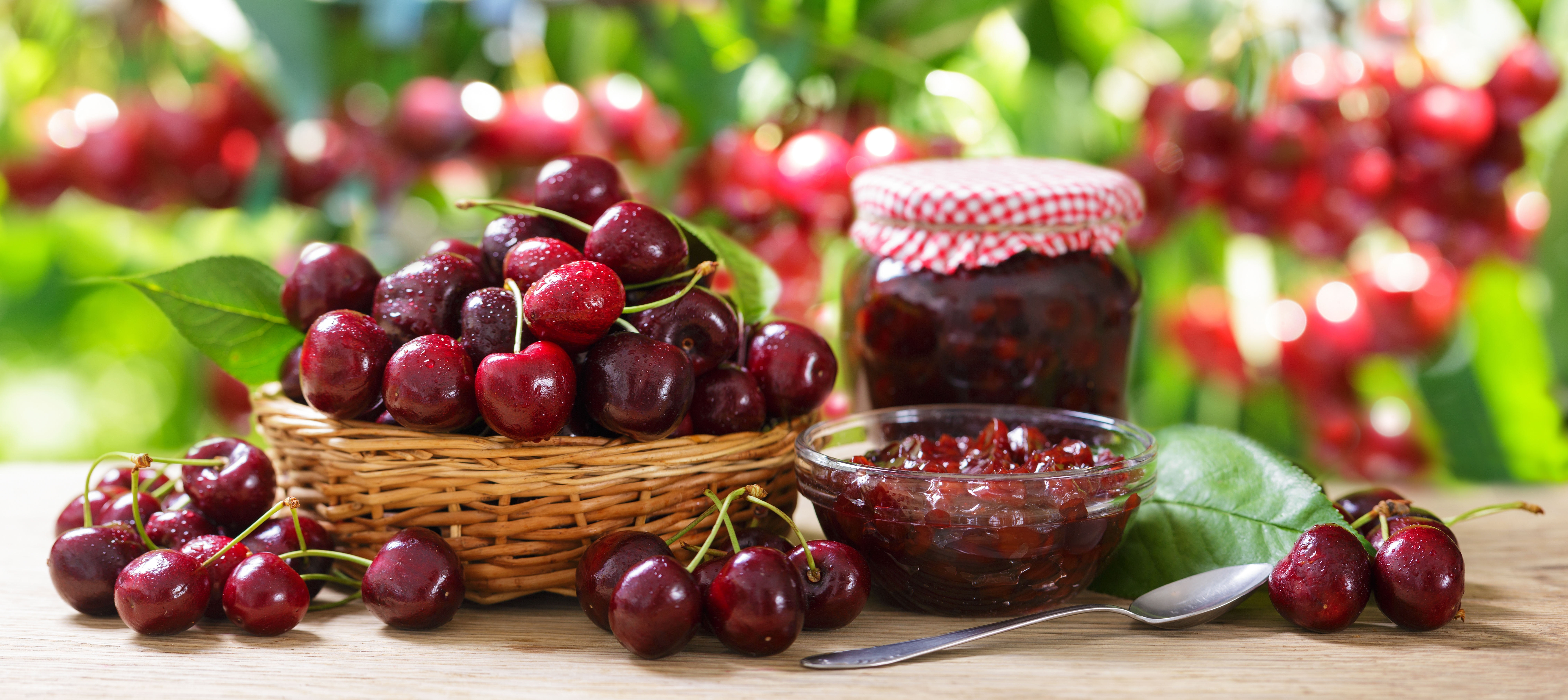
Imagine stepping outside in late spring or early summer and picking fresh, juicy cherries straight from your own tree. Growing cherry trees at home is not only rewarding but also easier than you might think—especially if you choose the right variety for your climate.
Many people assume that cherry trees only thrive in cold regions, but thanks to low-chill varieties like Minnie Royal and Royal Lee, even gardeners in warmer climates (Zones 7-10) can enjoy homegrown cherries. For those in colder regions (Zones 4-7), traditional varieties like Bing, Black Tartarian, North Star (dwarf), and Rainier are excellent choices.
In this guide, we’ll walk you through selecting the best cherry tree variety for your climate, planting, care, and harvesting tips so you can enjoy sweet, homegrown cherries year after year.
Choosing the Right Cherry Tree for Your Climate
Before planting, it’s essential to pick a cherry variety that matches your climate and growing conditions. Cherry trees fall into two main categories:
- Sweet Cherries (Prunus avium) – Ideal for fresh eating. These require a pollination partner unless they are self-pollinating.
- Sour Cherries (Prunus cerasus) – Often used for baking, jams, and preserves. Many are self-pollinating, meaning you only need one tree.
Best Cherry Varieties for Warm Climates (Low-Chill)
If you live in a warm climate (Zones 7-10), traditional cherry varieties may not thrive because they require more winter chill hours. Instead, low-chill varieties are your best option.
1. Minnie Royal Cherry
- Chill Hours: 200–300 (perfect for mild winters)
- Fruit: Small to medium-sized, sweet, and firm
- Pollination: Needs Royal Lee as a pollinator
- Zones: 7–10
2. Royal Lee Cherry
- Chill Hours: 200–300
- Fruit: Slightly smaller than Minnie Royal, firm and sweet
- Pollination: Requires Minnie Royal for fruit production
- Zones: 7–10
🌟 Why Minnie Royal & Royal Lee?
These two varieties bloom and ripen early, making them excellent choices for regions with mild winters where traditional cherries would struggle to produce fruit.
Best Cherry Varieties for Cooler Climates
If you live in a cooler climate (Zones 4-7), traditional cherry varieties will perform well. These trees require more chill hours (the number of winter hours below 45°F) to break dormancy and produce fruit.
1. Bing Cherry (Classic Sweet Cherry)
- Chill Hours: 700+
- Fruit: Large, dark red, and very sweet
- Pollination: Needs a pollination partner (Black Tartarian or Rainier)
- Zones: 5–9
2. Black Tartarian Cherry
- Chill Hours: 700+
- Fruit: Dark red to black, juicy, and sweet
- Pollination: Needs another sweet cherry variety like Bing
- Zones: 5–9
3. Rainier Cherry (Golden Yellow & Red Blush)
- Chill Hours: 700+
- Fruit: Yellow with a red blush, very sweet
- Pollination: Requires a pollination partner like Bing or Black Tartarian
- Zones: 5–9
4. North Star Cherry (Dwarf, Sour Cherry)
- Chill Hours: 700+
- Fruit: Small, tart, and perfect for baking
- Pollination: Self-pollinating (only one tree needed)
- Zones: 4–8
🌟 Why North Star?
If you have limited space or want to grow cherries in a container, North Star is an excellent dwarf variety that still produces a generous harvest.
How to Plant Cherry Trees
1. Choosing the Right Location
- Full Sun: Cherry trees need at least 6-8 hours of direct sunlight per day.
- Well-Drained Soil: Sandy or loamy soil with good drainage is best. Avoid heavy clay.
- Spacing:
- Standard Trees: 15–25 feet apart
- Dwarf Varieties: 8–12 feet apart
2. Planting Steps
- Dig a Hole: Twice as wide as the root ball but no deeper.
- Position the Tree: Place the tree so the graft union (if grafted) is above the soil line.
- Backfill & Water: Fill the hole with soil, water deeply, and add a 2-inch layer of mulch.
- Staking (if needed): Young trees may need support in windy areas.
Caring for Cherry Trees
1. Watering
- Young Trees: Water once or twice a week for the first year.
- Mature Trees: Water deeply every 7-10 days, especially in dry conditions.
2. Fertilizing
- Use a balanced fertilizer (10-10-10) in early spring before new growth starts.
- Avoid excessive nitrogen, which promotes leafy growth over fruit production.
3. Pruning for Healthy Growth
- Prune in late winter or early spring before new growth begins.
- Remove dead or diseased branches.
- Shape the tree for an open center to improve sunlight exposure and airflow.
4. Pest & Disease Management
- Common Pests: Aphids, cherry fruit flies, and birds (use netting).
- Common Diseases: Powdery mildew, brown rot—ensure good airflow and avoid overhead watering.
Harvesting Cherries
When to Harvest
- Cherries ripen in late spring to early summer, depending on the variety.
- Look for deep red, fully ripe cherries that are firm but slightly soft to the touch.
How to Harvest
- Use scissors or gently twist cherries off the branch.
- Leave stems attached for longer storage life.
Storing & Using Cherries
- Store fresh cherries in the refrigerator for up to 2 weeks.
- Freeze whole cherries for smoothies and baking.
- Use cherries to make pies, jams, juices, and even homemade cherry wine!
Final Thoughts: Why You Should Grow Cherry Trees
Growing your own cherry trees is a rewarding experience that provides you with fresh, flavorful fruit year after year. Whether you’re in a warm climate (Minnie Royal & Royal Lee) or a cool climate (Bing, Black Tartarian, Rainier, or North Star), there’s a cherry variety that will thrive in your backyard.
With proper planting, care, and patience, your cherry trees will become a beautiful and productive part of your home garden. So why not start growing your own cherries today? Your future self—and your taste buds—will thank you! 🍒🌳

Leave a Reply