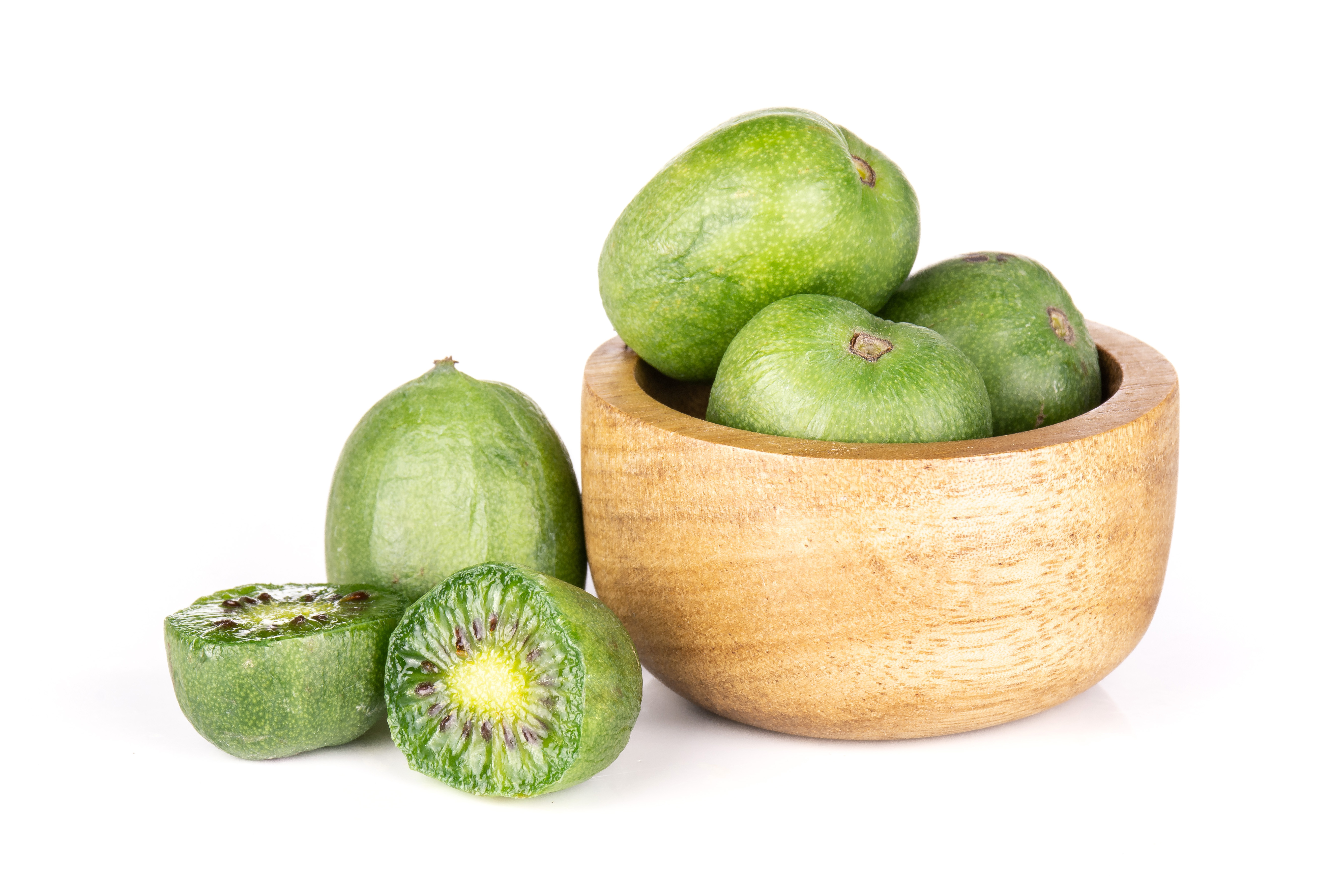
Issai kiwi plants are a favorite among home gardeners because they combine ornamental appeal with productive fruiting in a compact, manageable vine. As a self-fertile hardy kiwi, Issai produces smooth, grape-sized fruit on vigorous vines that can thrive across a wide range of climates. While Issai kiwi plants are cold-hardy and resilient, the final weeks of winter remain a critical time for preparing them for strong spring growth and reliable fruit production.
Late winter is a transition period for Issai kiwi plants. Although vines may appear dormant above ground, internal activity is increasing as daylight lengthens and soil temperatures slowly rise. What you do now — before buds swell and shoots emerge — has a direct impact on vine vigor, flowering strength, and overall fruit yield later in the season.
Why Late Winter Care Matters for Issai Kiwi Plants
Issai kiwi plants produce fruit on new growth that emerges from established vines. This makes late winter care especially important, because vine structure, pruning decisions, and overall plant health determine how productive the plant will be once growth resumes.
Late winter preparation helps:
- Encourage even bud break
- Promote strong, productive new shoots
- Improve airflow and light exposure
- Reduce disease and pest pressure
- Support consistent fruit development
Skipping late winter prep often leads to tangled vines, weak shoots, and reduced fruiting later in the year.
Inspect Issai Kiwi Plants for Winter Damage
Begin by carefully inspecting your Issai kiwi plants. Winter weather, wind, ice, and wildlife activity can all cause damage that may not be immediately noticeable.
Check the main vine and lateral branches for cracks, splits, or dieback at the tips. Examine the base of the plant for signs of rodent damage, such as chewing or bark injury. Look closely at any trellis or support connections to ensure they remain secure.
If damaged areas are found, mark them so they can be addressed during pruning. Removing damaged wood now prevents disease entry and allows the plant to focus energy on healthy spring growth.
Finish Dormant Pruning Before Bud Break
Late winter is the most important pruning window for Issai kiwi plants. Proper pruning during dormancy controls vine size, improves fruit quality, and prevents overcrowding.
Remove dead, damaged, or weak wood first. Thin out excessive lateral growth and shorten overly long shoots to encourage balanced growth. Issai kiwi plants can be vigorous, so pruning helps direct energy into fewer, stronger fruiting shoots.
A properly pruned kiwi vine may look bare, but this is normal and beneficial. Avoid delaying pruning once buds begin to swell, as this can reduce fruiting potential and increase stress on the plant.
Remove Old Growth and Plant Debris
Old leaves, fallen fruit, and plant debris around Issai kiwi plants can harbor insects and disease organisms. Late winter cleanup is a simple but important preventive step.
Clear debris from around the base of the plant and along the trellis line. Dispose of old plant material away from the planting area to reduce disease pressure once temperatures warm.
A clean growing area improves airflow and makes spring maintenance easier.
Inspect and Repair Trellises or Supports
Issai kiwi plants require strong, reliable support systems. As vines mature, they can become heavy, especially once fruit develops.
Late winter is the ideal time to inspect trellises, arbors, wires, and posts. Tighten loose fasteners, replace damaged supports, and ensure the structure can handle vigorous spring growth.
A sturdy support system prevents vine breakage and keeps fruit off the ground later in the season.
Evaluate Soil Drainage and Moisture Conditions
Issai kiwi plants prefer well-drained soil and consistent moisture, but they do not tolerate standing water around their roots. Late winter is a good time to evaluate drainage before spring rains increase.
If water tends to pool near the plant base, gently improving surface drainage now can prevent root stress later. Avoid deep digging that could damage established roots.
At this stage, do not fertilize. Kiwi plants are still dormant and cannot efficiently use nutrients until growth begins.
Refresh Mulch for Root Protection
Mulch plays an important role in moderating soil temperature and conserving moisture as winter transitions into spring. If mulch has broken down or shifted, refreshing it in late winter can be beneficial.
Apply mulch in a wide ring around the base of the plant, keeping it several inches away from the trunk or main vine to prevent moisture buildup and rot.
Mulch also suppresses early weed growth, reducing competition for nutrients and water.
Protect Against Late Winter Temperature Swings
Late winter often brings unpredictable temperature fluctuations. Warm spells can stimulate early sap movement, followed by cold snaps that damage developing buds.
Maintaining consistent soil moisture and leaving mulch in place helps slow premature growth. Avoid early fertilization, which can encourage tender growth too soon.
In areas prone to sharp temperature swings, temporary wind protection or frost cloth can help protect young Issai kiwi plants.
Inspect Wildlife Protection
Wildlife damage often increases in late winter when food sources are scarce. Deer, rabbits, and rodents may browse buds or chew bark.
Inspect fencing, guards, or protective barriers to ensure they remain secure and properly positioned. Protection should stay in place until spring growth is well established.
Removing protection too early can expose vines at a vulnerable stage.
Delay Fertilization Until Active Growth Begins
Applying fertilizer too early can stimulate growth before the risk of frost has passed. New growth triggered too soon is highly susceptible to cold damage.
Wait until buds open and new shoots are clearly visible before fertilizing Issai kiwi plants. Proper timing ensures nutrients support healthy vine growth rather than stressing dormant plants.
Plan Ahead for Spring Training and Growth Management
Late winter is also the right time to plan how new growth will be trained once spring arrives. Decide which shoots will be tied, which will be removed, and how the vine will be guided along its support structure.
Planning now allows you to act quickly once growth resumes, preventing tangled vines and improving fruit quality.
Why Spring Success Starts in Late Winter
Successful Issai kiwi harvests begin long before flowers appear. Vines that exit winter healthy, well-pruned, and unstressed are far more likely to produce strong shoots, abundant flowers, and high-quality fruit.
By addressing pruning, cleanup, soil conditions, moisture management, and protection now, you help Issai kiwi plants transition smoothly into spring growth.
Why So Many Gardeners Choose Ty Ty Nursery to Buy Issai Kiwi Plants
- Large selection of Issai kiwi plants for sale
- Best prices compared to many national competitors
- Fastest in-season shipping — plant in days the Ty Ty way
- Industry-leading guarantees included free
- Certified Google Quality Store View Google Reviews
- Nearly 50 years in business with over 10 million plants shipped
- Tens of thousands of 5-star reviews Read verified customer reviews
- Live plant experts located in Ty Ty, Georgia available by phone at 888-758-2252
- Convenience of shopping online and having Issai kiwi plants delivered directly to your door
With thoughtful late winter preparation, Issai kiwi plants can enter spring vigorous, balanced, and ready to deliver dependable fruit production.

Leave a Reply