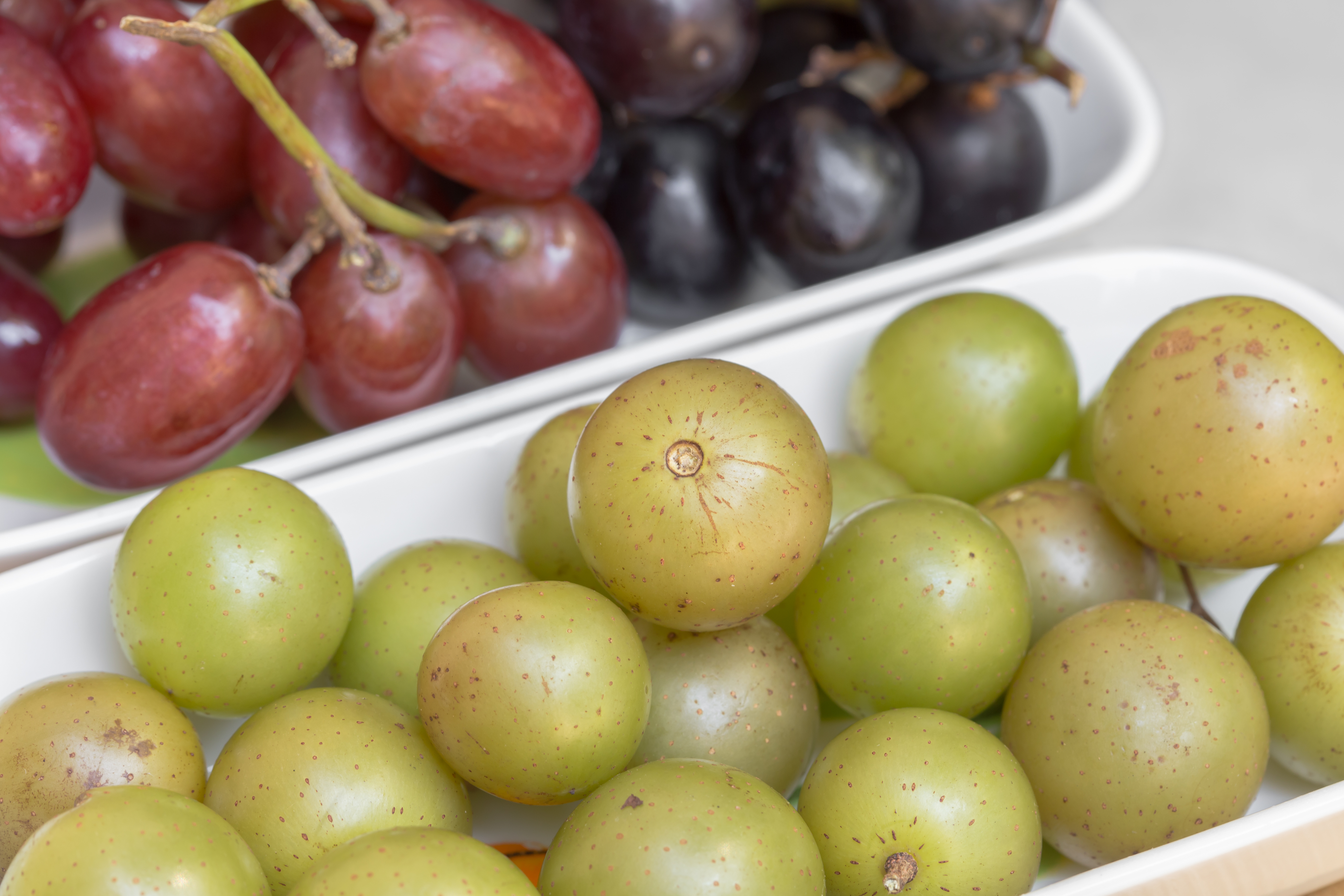
Muscadine (Vitis rotundifolia) and Scuppernong grapes are native to the southeastern United States and are perfect for backyard gardeners looking for low-maintenance, disease-resistant grapevines that produce delicious, nutrient-rich fruit. These vines thrive in hot, humid climates and offer high yields of sweet, flavorful grapes that can be enjoyed fresh, juiced, or used in homemade wines, jellies, and desserts.
In this guide, we’ll cover how to plant, care for, and harvest Muscadine and Scuppernong grapevines, along with their uses, recipes, and incredible health benefits.
Why Grow Muscadine & Scuppernong Grapes?
✅ Native & Disease-Resistant – Naturally resistant to pests and diseases like Pierce’s disease.
✅ Heat & Humidity Tolerant – Perfect for hot summers and adaptable to poor soils.
✅ Sweet, Unique Flavor – Unlike European grapes, Muscadines have a bold, fruity taste with a thick skin.
✅ High-Yielding & Long-Lived – Produces large grape clusters for decades with proper care.
✅ Rich in Antioxidants – Packed with resveratrol, polyphenols, and fiber for heart health and immunity.
Muscadine vs. Scuppernong: What’s the Difference?
Muscadine and Scuppernong grapes belong to the same species, but they have some differences:
🍇 Muscadine Grapes – Typically deep purple to black in color, offering a rich, bold flavor.
🍏 Scuppernong Grapes – A type of light green to bronze Muscadine, known for its milder, honey-like sweetness.
Both varieties are vigorous growers, and choosing the right one depends on taste preference and intended use.
How to Grow Muscadine & Scuppernong Grapes in Your Backyard
1. Choosing the Right Variety
There are two main types of Muscadine and Scuppernong vines:
- Self-Fertile Varieties – Can produce fruit on their own (ideal for small gardens).
- Examples: ‘Carlos’ (bronze), ‘Noble’ (purple), ‘Cowart’ (purple)
- Female Varieties – Require a self-fertile variety nearby for pollination.
- Examples: ‘Tara’ (bronze), ‘Higgins’ (bronze), ‘Jumbo’ (purple)
2. Best Growing Conditions
Muscadine and Scuppernong vines thrive in USDA zones 7-10 and require:
✅ Full Sun – At least 6-8 hours daily for maximum fruit production.
✅ Well-Draining Soil – Prefers sandy loam with a pH of 5.5-6.5.
✅ Support Structure – Needs a strong trellis, fence, or arbor for proper growth.
✅ Spacing – Plant vines 12-20 feet apart to allow for sprawling growth.
3. Planting Muscadine & Scuppernong Grapevines
- Dig a hole twice as wide as the root ball.
- Loosen the roots and place the vine in the hole.
- Backfill with soil, ensuring the graft union is above ground level.
- Water thoroughly after planting.
- Mulch around the base to retain moisture and suppress weeds.
4. Watering & Fertilizing
- Water young vines regularly (1-2 inches per week). Once established, Muscadines are drought-tolerant but produce better with consistent watering.
- Fertilize in early spring with balanced fertilizer (10-10-10) and again after fruiting. Avoid excessive nitrogen, which can promote leaf growth over fruiting.
5. Pruning & Maintenance
- Prune in late winter (January-February) to remove excess growth and encourage fruiting.
- Muscadine vines produce fruit on new growth, so annual pruning helps maintain high yields.
- Remove suckers and weak canes to improve airflow and sunlight penetration.
Harvesting & Using Muscadine & Scuppernong Grapes
When & How to Harvest
- Grapes ripen late summer to early fall and are ready when they turn fully purple (Muscadine) or golden-bronze (Scuppernong).
- Unlike traditional grapes, Muscadines ripen individually rather than in clusters.
- Gently twist and pull ripe grapes from the vine or use pruning shears for a clean cut.
Ways to Use Muscadine & Scuppernong Grapes
🍇 Fresh Eating – Enjoy straight from the vine for a sweet, juicy snack.
🍷 Homemade Wine – Muscadines are excellent for winemaking due to their high sugar content.
🍯 Jams & Jellies – Cook down the grapes to make sweet preserves.
🍹 Juices & Smoothies – Blend grapes for a refreshing antioxidant boost.
🥧 Baking & Desserts – Use in pies, cobblers, or fruit salads.
Delicious Recipes Using Muscadine & Scuppernong Grapes
1. Homemade Muscadine Jelly 🍇🍯
Ingredients:
- 5 cups Muscadine or Scuppernong juice
- 7 cups sugar
- 1 box pectin
- 1 tbsp lemon juice
Instructions:
- Boil grapes with a little water, mash, and strain to extract juice.
- In a large pot, combine juice, pectin, and lemon juice. Boil for 1 minute.
- Add sugar and boil for another minute, stirring constantly.
- Pour into sterilized jars and seal. Let cool and store.
2. Muscadine Grape Wine Recipe 🍷
Ingredients:
- 5 lbs Muscadine or Scuppernong grapes
- 1 gallon water
- 2 lbs sugar
- 1 packet wine yeast
Instructions:
- Crush grapes and place them in a fermentation bucket.
- Dissolve sugar in water and pour over grapes.
- Add wine yeast and cover loosely. Let ferment for 7-10 days.
- Strain and transfer to a glass container with an airlock.
- Let ferment for 3-6 months, then bottle and age for at least 6 months before enjoying.
3. Scuppernong Sorbet 🍨
Ingredients:
- 3 cups Scuppernong grapes
- 1/2 cup sugar
- 1/2 cup water
- 1 tbsp lemon juice
Instructions:
- Blend grapes, strain juice, and mix with sugar, water, and lemon juice.
- Pour into an ice cream maker and churn until frozen.
- Serve as a refreshing summer dessert!
Health Benefits of Muscadine & Scuppernong Grapes
🍇 High in Antioxidants – Rich in resveratrol, polyphenols, and vitamin C, promoting heart health and anti-aging benefits.
🩸 Supports Healthy Blood Sugar Levels – The high fiber content helps regulate blood sugar.
💪 Boosts Immune System – Packed with vitamin C and immune-boosting compounds.
❤️ Promotes Heart Health – Reduces bad cholesterol and blood pressure.
🧠 Enhances Brain Function – Helps reduce cognitive decline and supports memory.
Final Thoughts
Growing Muscadine and Scuppernong grapevines is a fun, rewarding, and healthy addition to any backyard. With minimal care, high yields, and multiple uses, these native grapes are perfect for fresh eating, winemaking, and homemade preserves.
🌿🍇 Ready to grow your own Muscadine or Scuppernong vines? Shop now for high-quality grapevines and enjoy fresh, homegrown grapes for years to come!
Got questions about growing Muscadine grapes? Drop them in the comments below! 👇✨ #GrowYourOwn #MuscadineGrapes #BackyardGardening #SuperfoodVines



Leave a Reply to Ty Ty Plant Nursery, LLCCancel reply